Month: January 2026

Estonia: tech CSR improving cybersecurity education and equitable digital access

Estonia’s Tech Sector CSR: Strengthening Cybersecurity Education & Digital Inclusion

Estonia is widely regarded as a digitally driven nation shaped by extensive cooperation between public institutions and private actors, and after the 2007 cyber attacks that hit governmental and commercial systems, the country rapidly advanced its national cybersecurity strategy while deepening joint initiatives with industry; today, tech companies in Estonia assume a prominent corporate social responsibility role by funding cybersecurity training, broadening digital inclusion, and fostering fair access for people of different ages, regions, and socioeconomic conditions, and this article explores how Estonian tech CSR operates on the ground, presents concrete cases with measurable results, and outlines practical insights that…

Read More
What is profitability and how do I measure it?

How to Calculate Profitability: A Step-by-Step Guide

Understanding Profitability: Definition and ImportanceProfitability serves as a core idea in finance and business management, functioning as an indicator of an organization’s economic strength and overall performance; it describes the ability of a company, investment, or initiative to produce returns that surpass the costs and expenses incurred within a defined timeframe, and it also reflects how effectively resources are handled to achieve net gains beyond simple income generation.Evaluating profitability plays a key role for business owners, investors, and stakeholders, as it signals long-term viability, supports informed decisions, and influences a company's market valuation. Profitability also remains essential for securing financing…
Read More
Ecuador: CSR cases supporting the bioeconomy and conservation across diverse territories

Ecuador’s CSR Strategies: Bioeconomy & Environmental Protection

Ecuador combines immense biological richness with socioeconomic pressures from extractive industries, agriculture, fisheries and tourism. Corporate social responsibility (CSR) in Ecuador has evolved from isolated philanthropy to strategic partnerships that link business interests with conservation and bioeconomic development. This article maps emblematic CSR approaches across the Amazon, the Andes and páramo, the coastal mangroves and fisheries, and the Galapagos archipelago. It highlights mechanisms, measurable impacts, governance arrangements, and practical challenges for scaling the bioeconomy while protecting ecosystems and rights.Why Ecuador’s biodiversity matters for CSR and the bioeconomyEcuador hosts an exceptionally large share of the planet’s biodiversity for its size, encompassing…
Read More
Alcohol: why “a little” isn’t always harmless

Alcohol: Why “A Little” Isn’t Harmless

Alcohol ranks among the world’s most widely consumed psychoactive substances, and many individuals see light drinking—perhaps a glass of wine at dinner or a post‑work beer—as harmless or even somewhat helpful. Growing medical research, however, increasingly disputes that assumption, indicating that even minimal intake can elevate the likelihood of injuries and illness, interact unpredictably with medications and preexisting conditions, and cause population‑level harm over time. This article outlines why small amounts are not always risk‑free, offering clear mechanisms, evidence, examples, and practical guidance.What “a little” conveysStandard drink definitions: In the United States a standard drink contains about 14 grams of…
Read More
Amsterdam, in the Netherlands: What founders should know about option plans and taxation

Startup Equity in the Netherlands: Founder’s Tax Guide

Building a team with equity incentives is standard for Amsterdam startups, but Dutch tax and employment rules strongly shape how option plans work in practice. This guide covers practical plan design, tax consequences for founders and employees, reporting and withholding obligations, valuation and liquidity considerations, and international pitfalls. Examples and numeric illustrations show the real-world cash and tax impacts founders should plan for.Key legal and corporate setup considerationsEntity form: Most startups operate as a private limited company. The company’s corporate documents and capitalization table must authorize an option pool, including maximum size and classes of shares available for issuance.Option instrument…
Read More
What to Wear with Black Jeans for Men? – GINGTTO

The Normcore Phenomenon: What Is It?

Normcore emerged in the early 2010s as a fascinating fashion movement defined by its preference for plain, everyday attire that appears intentionally ordinary. This approach deliberately sidesteps standout elements, favoring a style that feels purposefully average. Drawing from the word "normal" and the stylistic suffix "core," normcore highlights the appeal of simplicity and the visual language of the commonplace.How Normcore First EmergedThe term normcore rose to wider recognition after the trend-forecasting collective K-HOLE featured it in a 2013 report. That document pointed to a cultural moment in which striving to stand out or appear exceptional was no longer universally sought.…
Read More
pair of white running shoes

How Culture Shapes Our Style Choices

The world of fashion is a dynamic tapestry woven from various cultural threads, reflecting the diverse experiences, beliefs, and traditions of societies worldwide. It is a realm where cultural influences manifest through styles, designs, and trends, showcasing the interconnectedness of global communities.The Historical BackgroundThroughout history, cultural influences have played a pivotal role in shaping fashion. For instance, during the Renaissance, European fashion was heavily influenced by the opulent lifestyles of the aristocracy, reflecting their wealth and social status through luxurious fabrics like silk and velvet. The intricate designs and elaborate embroidery of this era were a testament to the meticulous…
Read More
Estonia: tech CSR improving cybersecurity education and equitable digital access

Estonia: How Tech CSR Enhances Cybersecurity Learning & Fair Digital Access

Estonia is widely recognized as a digital society with deep public-private collaboration. After the 2007 cyber attacks that targeted government and private infrastructure, the country accelerated both national cyber strategy and cooperative efforts with industry. Tech companies in Estonia now play an active corporate social responsibility (CSR) role: investing in cybersecurity education, expanding digital access, and supporting equitable participation across age groups, regions, and economic backgrounds. This article examines how Estonian tech CSR works in practice, highlights concrete examples and measurable outcomes, and offers practical lessons transferable to other countries.Context: why CSR matters in Estonia’s digital ecosystemEstonia is a compact…
Read More
Chile: corporate CSR advancing transparency and community participation in local projects

Corporate Social Responsibility in Chile: Boosting Transparency & Local Engagement

Chile’s economic model has historically relied on extractive industries, agriculture, fishing, and export‑oriented manufacturing, sectors that have powered growth while concentrating environmental and social pressures in particular areas. Consequently, corporate social responsibility (CSR) in Chile is not a peripheral marketing tool but a strategic requirement that influences social license, investor confidence, and local development. In recent years, rising public expectations for transparency and genuine community involvement in territorial initiatives have pushed CSR to evolve from simple philanthropy toward governance, disclosure, and collaborative design.Regulatory and institutional drivers advancing transparencySeveral public factors push companies toward greater openness and community engagement:Access-to-information and anti-corruption…
Read More
Italians furious over deployment of ICE agents to bolster US security at Winter Olympics

ICE Agents at Olympics Spark Italian Anger

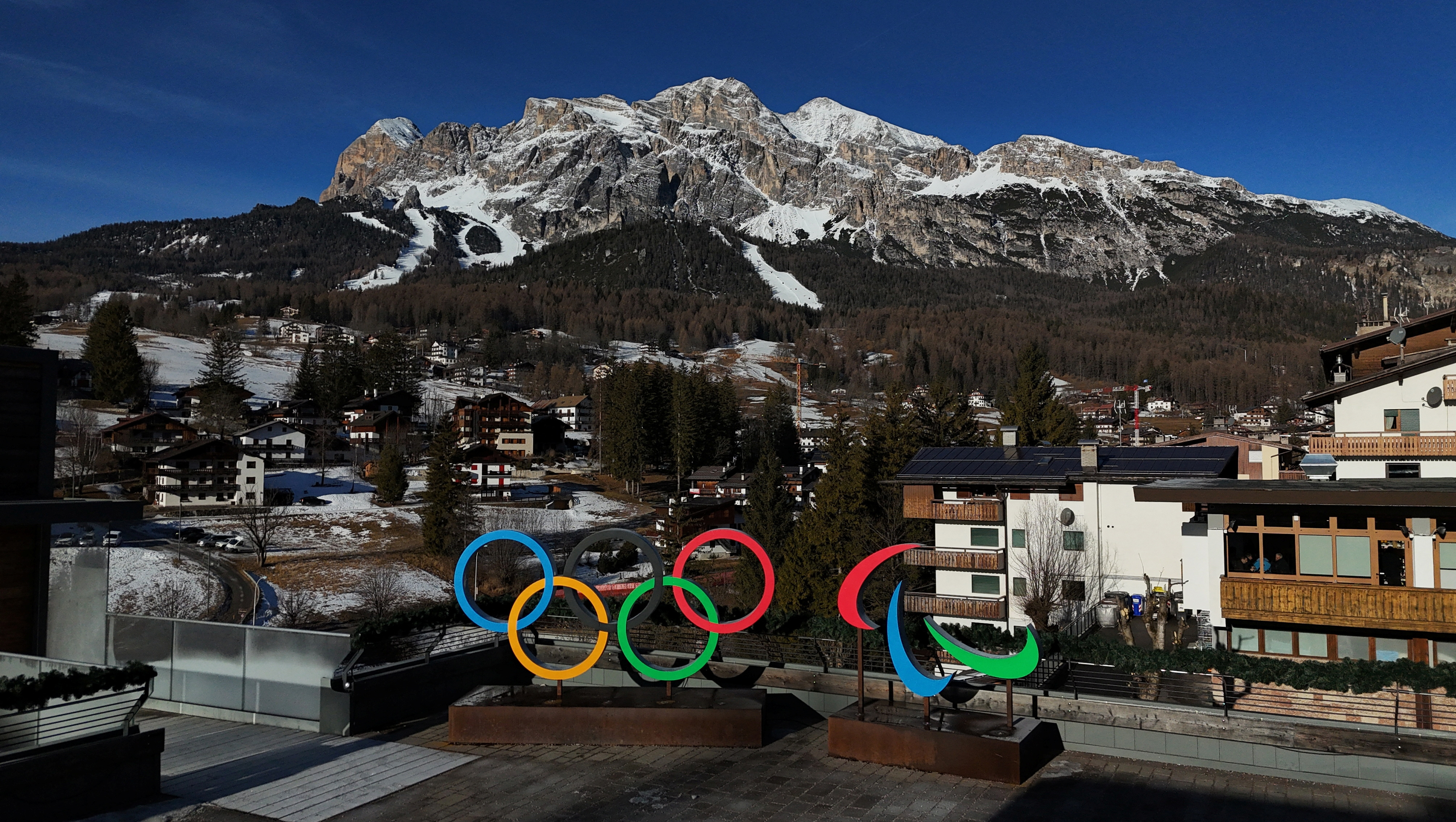
The presence of U.S. Immigration and Customs Enforcement (ICE) personnel in Italy ahead of the upcoming Winter Olympics is raising heightened concern among both lawmakers and the wider public, as debates intensify over jurisdictional authority, security methods, and previous incidents reported in the U.S.The Italian government faces mounting attention after reports surfaced that ICE officers are set to assist with security at the Milan-Cortina Winter Olympics, a development that has revived debates over the presence of foreign law enforcement in Italy, especially in light of recent violent episodes tied to ICE activities in the United States.The U.S. Department of Homeland…
Read More