
Month: March 2026

Why is logistics real estate tied closely to e-commerce and reshoring?

E-commerce, Reshoring, and Logistics Real Estate: A Deep Dive

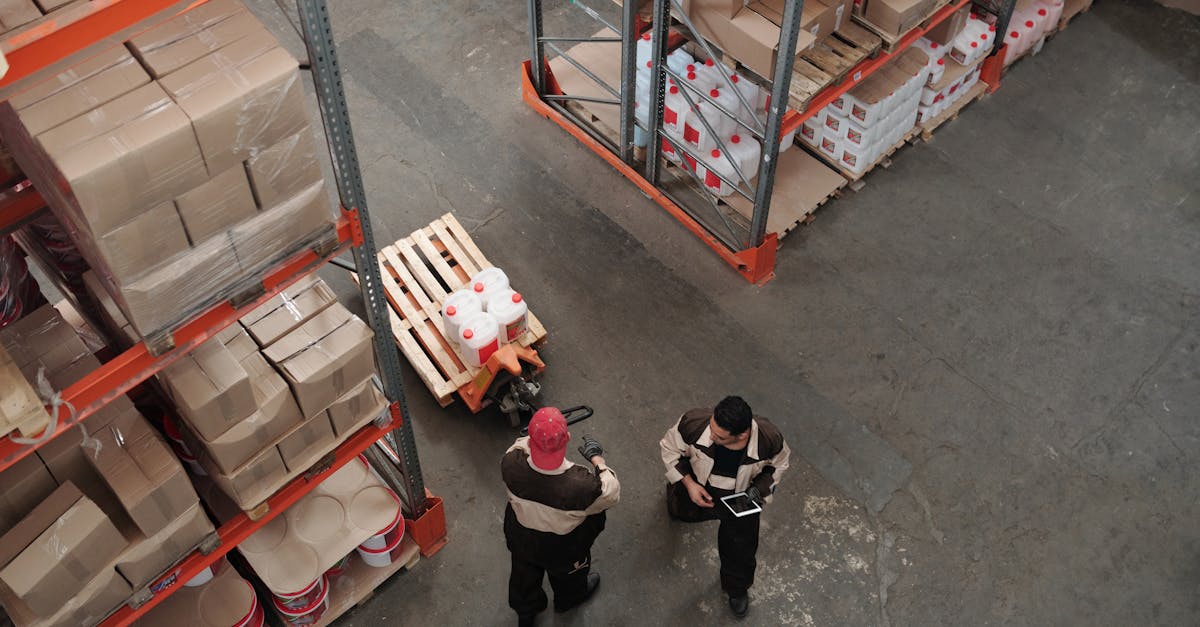
Logistics real estate has emerged as a pivotal asset class within the global economy. Its strong ties to e-commerce and reshoring are no coincidence; they stem from deep structural changes in the production, storage, and distribution of goods. As companies reshape their supply chains to boost speed, resilience, and customer focus, the need for contemporary logistics facilities has surged.The Importance of Logistics Real Estate Within Today’s Evolving Supply ChainsLogistics real estate includes warehouses, distribution centers, fulfillment hubs, cold storage facilities, and last-mile delivery sites. These assets form the physical backbone of supply chains, enabling the movement of goods from factories…
Read More
Why nuclear energy is back in public debate

Why nuclear energy is back in public debate

Nuclear power has once again moved to the forefront of global public and policy discussions, driven by a convergence of factors such as climate commitments, energy security needs, technological progress, market developments, and evolving public sentiment, shifting the conversation from ideological arguments to practical considerations about balancing deep decarbonization with dependable electricity generation.Key drivers behind renewed attentionClimate commitments: Governments and corporations aiming for net-zero emissions by mid-century face the need for large amounts of firm, low-carbon electricity. Nuclear’s near-zero operational CO2 emissions make it a candidate for supplying baseload and flexible power to support electrification of transport, industry, and heating.Energy…
Read More
How is solid-state battery progress changing EV timelines and strategies?

Solid-State Battery Progress: Impact on EV Timelines & Strategies?

Solid-state batteries swap the liquid or gel electrolyte found in traditional lithium-ion designs for a solid medium, a shift that is expected to deliver greater energy density, enhanced safety, extended service life, and quicker charging. In electric vehicles, these advantages can result in longer driving ranges, a lower risk of fire, and potentially reduced overall ownership costs.For more than ten years, automakers and battery producers have chased solid-state technology, and only recently have advances in materials science, production techniques, and large-scale deployment begun transforming it from a laboratory aspiration into a viable industrial option, a transition that is speeding up…
Read More
Egypt: industrial CSR improving workplace safety and resource efficiency

Egypt: industrial CSR improving workplace safety and resource efficiency

Industrial corporate social responsibility (CSR) in Egypt is increasingly understood through two closely connected aims: safeguarding employees and optimizing resource use. As the country advances economic development under national frameworks like Egypt Vision 2030, manufacturers, energy enterprises, construction firms, and industrial parks are translating CSR pledges into tangible safety measures and resource‑efficiency initiatives that cut expenses, lessen environmental harm, and strengthen social well‑being.The importance of workplace safety and resource-efficient practices for Egypt’s industrial sectorWorkplace safety directly affects employees, productivity, and costs. Unsafe sites increase absenteeism, insurance premiums, and turnover while threatening reputations and export markets that demand compliance with global…
Read More
¿Por qué las baterías de sodio-ion atraen interés para almacenamiento en red?

Decoding EV Futures: Solid-State Battery’s Role in Timelines & Strategies

Solid-state batteries replace the liquid or gel electrolyte used in conventional lithium-ion batteries with a solid electrolyte. This structural change promises higher energy density, improved safety, longer life cycles, and faster charging. For electric vehicles, these benefits directly translate into longer driving range, reduced fire risk, and potentially lower lifetime costs.Automakers and battery manufacturers have pursued solid-state technology for more than a decade, but recent progress in materials science, manufacturing methods, and scale-up has moved it from laboratory promise toward industrial reality. As this shift accelerates, it is reshaping electric vehicle development timelines and forcing strategic reassessments across the industry.Essential…
Read More
Why oceans matter for climate and for the economy

Oceans’ Significance for a Sustainable Climate and Economy

Oceans as the planet’s dominant climate regulatorThe global ocean covers roughly 71% of Earth’s surface and acts as the primary regulator of climate. It absorbs and redistributes heat and carbon, moderating atmospheric temperature swings, determining weather patterns, and sustaining life-supporting biogeochemical cycles. Two fundamental roles stand out:Heat storage: The ocean has absorbed most of the surplus heat generated by greenhouse gas emissions—widely assessed as exceeding 90% of the planet’s accumulated excess warmth—thereby tempering atmospheric temperature rises while introducing long-lasting thermal inertia that commits the climate system to future shifts.Carbon sink: The ocean takes in a substantial share of CO2 released…
Read More
Uruguay: Why stable institutions matter for cross-border wealth planning

Uruguay: The Importance of Institutional Stability for International Wealth

Strong institutions are the backbone of any jurisdiction that aspires to host cross-border capital, family wealth, and international business structures. For high-net-worth individuals, family offices, and multinational enterprises, institutional stability reduces legal uncertainty, lowers political and fiscal risk, and improves the predictability of outcomes for succession, tax planning, asset protection, and investment. Uruguay — a small, open economy in South America with a population of about 3.5 million and GDP broadly in the tens of billions of dollars — exemplifies how durable institutions can make a jurisdiction attractive for cross-border wealth planning.What institutional stability means for wealth planningRule of law…
Read More
Brazil: CSR cases integrating reforestation and responsible supply chains

Reforestation & Responsible Supply Chains: Brazil CSR

Brazil's land-use profile links global supply chains with one of the planet's largest remaining tropical forest stocks. Agricultural expansion, timber production and commodity exports have driven deforestation for decades, while increasing corporate and civil-society pressure has produced a wave of corporate social responsibility (CSR) initiatives that explicitly pair reforestation with responsible sourcing. These initiatives seek to reduce forest loss, restore degraded landscapes and align procurement practices with climate, biodiversity and social goals.Background and key motivatorsLand-use pressures: Expanding production of commodities such as beef, soy, pulp and paper, and sugar continues to underpin extensive clearing across the Amazon and other Brazilian…
Read More
Why nuclear energy is back in public debate

Nuclear Power: A Renewed Public Discussion

Nuclear power has re-emerged as a central topic in public and policy debates worldwide. Multiple intersecting forces — climate targets, energy security concerns, technological advances, market signals, and shifting public opinion — have combined to bring nuclear energy back into focus. The discussion is no longer purely ideological; it now centers on practical trade-offs and how to achieve deep decarbonization while maintaining reliable electricity supplies.Key drivers behind renewed attentionClimate commitments: Governments and corporations aiming for net-zero emissions by mid-century face the need for large amounts of firm, low-carbon electricity. Nuclear’s near-zero operational CO2 emissions make it a candidate for supplying…
Read More
Ecuador: How dollarized economies change credit, inflation, and investment planning

Ecuador’s Dollarized Economy: Credit, Inflation, and Investment Insights

Ecuador adopted the United States dollar as legal tender in 2000 after a severe banking and currency crisis. That decisive move eliminated exchange rate volatility with respect to the dollar and effectively outsourced monetary policy to the U.S. Federal Reserve. Dollarization reshaped macroeconomic trade-offs: it delivered price stability and lower inflation expectations, but it also removed key policy tools — a national lender of last resort, an independent interest-rate policy, and the capacity to monetize fiscal deficits. These structural shifts continue to influence credit conditions, inflation dynamics, and investment planning in distinct and sometimes countervailing ways.How adopting dollarization shifts the…
Read More