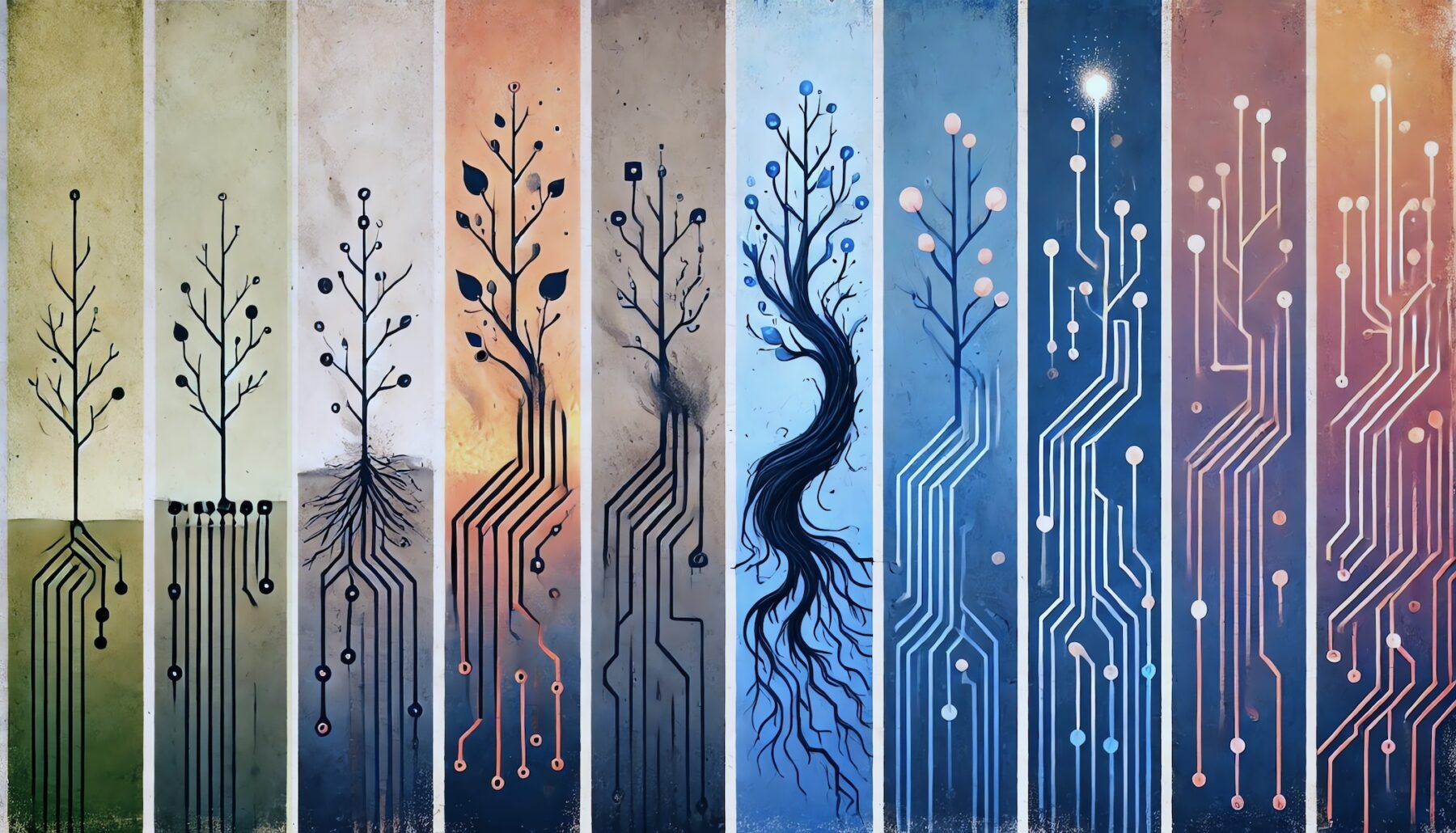

As artificial intelligence continues to transform industries and workplaces across the globe, a surprising trend is emerging: an increasing number of professionals are being paid to fix problems created by the very AI systems designed to streamline operations. This new reality highlights the complex and often unpredictable relationship between human workers and advanced technologies, raising important questions about the limits of automation, the value of human oversight, and the evolving nature of work in the digital age.
For many years, AI has been seen as a transformative technology that can enhance productivity, lower expenses, and minimize human mistakes. AI-powered applications are now part of numerous facets of everyday business activities, including generating content, handling customer service, performing financial evaluations, and conducting legal investigations. However, as the use of these technologies expands, so does the frequency of their shortcomings—yielding incorrect results, reinforcing biases, or creating significant mistakes that need human intervention for correction.
This occurrence has led to an increasing number of positions where people are dedicated to finding, fixing, and reducing errors produced by artificial intelligence. These employees, frequently known as AI auditors, content moderators, data labelers, or quality assurance specialists, are vital in maintaining AI systems precise, ethical, and consistent with practical expectations.
One of the clearest examples of this trend can be seen in the world of digital content. Many companies now rely on AI to generate written articles, social media posts, product descriptions, and more. While these systems can produce content at scale, they are far from infallible. AI-generated text often lacks context, produces factual inaccuracies, or inadvertently includes offensive or misleading information. As a result, human editors are increasingly being employed to review and refine this content before it reaches the public.
In certain situations, mistakes made by AI can result in more significant outcomes. For instance, in the fields of law and finance, tools used for automated decision-making can sometimes misunderstand information, which may cause incorrect suggestions or lead to problems with regulatory compliance. Human experts are then required to step in to analyze, rectify, and occasionally completely overturn the decisions made by AI. This interaction between humans and AI highlights the current machine learning systems’ constraints, as they are unable to entirely duplicate human decision-making or ethical judgment, despite their complexity.
The healthcare industry has also witnessed the rise of roles dedicated to overseeing AI performance. While AI-powered diagnostic tools and medical imaging software have the potential to improve patient care, they can occasionally produce inaccurate results or overlook critical details. Medical professionals are needed not only to interpret AI findings but also to cross-check them against clinical expertise, ensuring that patient safety is not compromised by blind reliance on automation.
What is driving this growing need for human correction of AI errors? One key factor is the sheer complexity of human language, behavior, and decision-making. AI systems excel at processing large volumes of data and identifying patterns, but they struggle with nuance, ambiguity, and context—elements that are central to many real-world situations. For example, a chatbot designed to handle customer service inquiries may misunderstand a user’s intent or respond inappropriately to sensitive issues, necessitating human intervention to maintain service quality.
Another challenge lies in the data on which AI systems are trained. Machine learning models learn from existing information, which may include outdated, biased, or incomplete data sets. These flaws can be inadvertently amplified by the AI, leading to outputs that reflect or even exacerbate societal inequalities or misinformation. Human oversight is essential to catch these issues and implement corrective measures.
The moral consequences of mistakes made by AI also lead to an increased need for human intervention. In fields like recruitment, policing, and financial services, AI technologies have been demonstrated to deliver outcomes that are biased or unfair. To avert these negative impacts, companies are more frequently allocating resources to human teams to review algorithms, modify decision-making frameworks, and guarantee that automated functions comply with ethical standards.
Interestingly, the need for human correction of AI outputs is not limited to highly technical fields. Creative industries are also feeling the impact. Artists, writers, designers, and video editors are sometimes brought in to rework AI-generated content that misses the mark in terms of creativity, tone, or cultural relevance. This collaborative process—where humans refine the work of machines—demonstrates that while AI can be a powerful tool, it is not yet capable of fully replacing human imagination and emotional intelligence.
The rise of these roles has sparked important conversations about the future of work and the evolving skill sets required in the AI-driven economy. Far from rendering human workers obsolete, the spread of AI has actually created new types of employment that revolve around managing, supervising, and improving machine outputs. Workers in these roles need a combination of technical literacy, critical thinking, ethical awareness, and domain-specific knowledge.
Furthermore, the increasing reliance on AI-related correction positions has highlighted possible drawbacks, especially concerning the quality of employment and mental health. Certain roles in AI moderation—like content moderation on social media networks—necessitate that individuals inspect distressing or damaging material produced or identified by AI technologies. These jobs, frequently outsourced or underappreciated, may lead to psychological strain and emotional exhaustion for workers. Consequently, there is a rising demand for enhanced support, adequate compensation, and better work environments for those tasked with the crucial responsibility of securing digital environments.
El efecto económico del trabajo de corrección de IA también es destacable. Las empresas que anteriormente esperaban grandes ahorros de costos al adoptar la IA ahora están descubriendo que la supervisión humana sigue siendo imprescindible y costosa. Esto ha llevado a algunas organizaciones a reconsiderar la suposición de que la automatización por sí sola puede ofrecer eficiencia sin introducir nuevas complejidades y gastos. En ciertas situaciones, el gasto de emplear personas para corregir errores de IA puede superar los ahorros iniciales que la tecnología pretendía ofrecer.
As artificial intelligence continues to evolve, so too will the relationship between human workers and machines. Advances in explainable AI, fairness in algorithms, and better training data may help reduce the frequency of AI mistakes, but complete elimination of errors is unlikely. Human judgment, empathy, and ethical reasoning remain irreplaceable assets that technology cannot fully replicate.
Looking ahead, organizations will need to adopt a balanced approach that recognizes both the power and the limitations of artificial intelligence. This means not only investing in cutting-edge AI systems but also valuing the human expertise required to guide, supervise, and—when necessary—correct those systems. Rather than viewing AI as a replacement for human labor, companies would do well to see it as a tool that enhances human capabilities, provided that sufficient checks and balances are in place.
Ultimately, the increasing demand for professionals to fix AI errors reflects a broader truth about technology: innovation must always be accompanied by responsibility. As artificial intelligence becomes more integrated into our lives, the human role in ensuring its ethical, accurate, and meaningful application will only grow more important. In this evolving landscape, those who can bridge the gap between machines and human values will remain essential to the future of work.