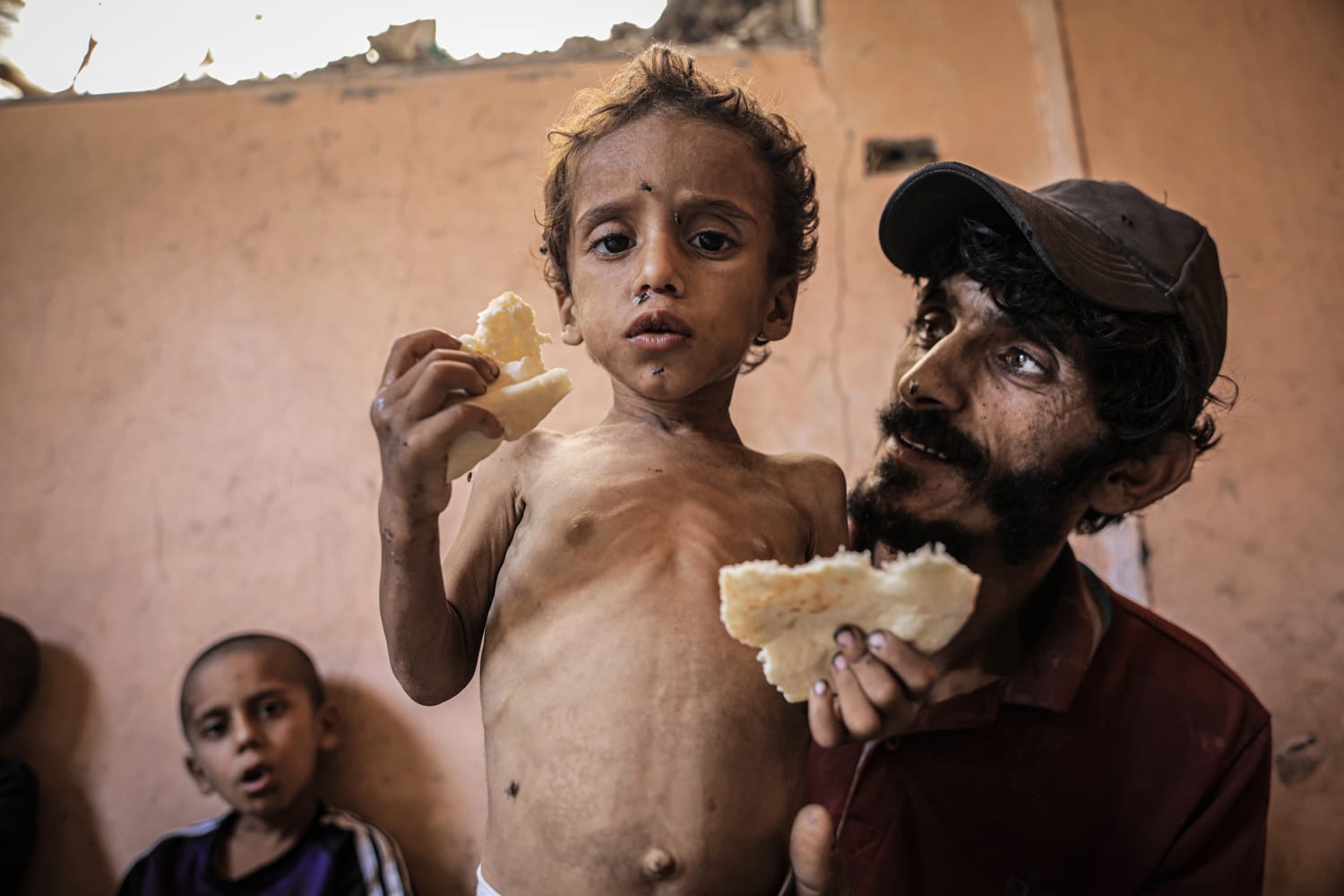

The escalating humanitarian emergency in Gaza persists in taking the lives of those most at risk, with more accounts of extreme malnutrition and avoidable deaths among young children and infants. In a tragic incident, an infant boy passed away as hunger worsened among the people, highlighting the critical situation encountered by civilians in the area.
With access to food, clean water, and basic healthcare increasingly scarce, families in Gaza are struggling to meet even the most fundamental needs of survival. Hospitals and medical staff are overwhelmed, many operating under extreme conditions with limited resources and intermittent electricity. The situation is especially critical for children under five, who are the most susceptible to the effects of undernourishment and dehydration.
Malnutrition has become very concerning in the past months, with numerous families depending on infrequent aid or surviving on poor diets. Often, formula milk is either too expensive or not accessible, making breastfeeding the sole feasible choice. Yet, for mothers who are stressed, malnourished, or unwell, this might not be achievable, putting infant health at greater risk.
The passing of a young child from malnutrition is not an isolated occurrence but signifies a wider humanitarian crisis in progress. Medical workers on the scene have observed that the wards are increasingly populated with critically malnourished children, with many reaching the facilities too late for intervention to be successful. The shortage of medical supplies, nutritional support, and skilled personnel renders addressing even common ailments a daunting challenge.
Food insecurity is being driven by multiple compounding factors. Continued conflict, restricted movement of goods and people, destruction of infrastructure, and disrupted supply chains have left markets bare and prices soaring. What little food is available is often unaffordable to large segments of the population. Perishable items such as dairy, fresh fruits, and vegetables are particularly scarce.
Water scarcity is also contributing to the health crisis. Contaminated water sources and insufficient sanitation increase the risk of disease outbreaks, particularly among children. Diarrheal illnesses, which can be deadly in malnourished children, are on the rise. When combined with food shortages, these factors create a lethal cycle that leads to rapid health deterioration in young bodies.
In homes throughout Gaza, guardians are confronted with unthinkable decisions—choosing between providing food to one child over another, or deciding whether to use their limited supply of clean water for drinking or hygiene purposes. No parent should have to endure making such choices, yet for countless families, this is an everyday situation.
Initiatives to provide humanitarian aid encounter various challenges, such as roads in disrepair, checkpoints, and potential threats to safety. Humanitarian convoys find it difficult to arrive at people requiring assistance, and the uneven availability of resources complicates the ability of aid groups to design lasting solutions. Numerous families residing in remote or dangerous regions are completely isolated from consistent help.
The emotional toll of the crisis is as profound as the physical. Parents mourning the loss of a child to hunger carry a burden of grief that is impossible to measure. In communities already living through trauma, each additional loss compounds the sense of despair and helplessness. For the surviving children, the psychological effects of living through hunger and witnessing suffering are long-lasting and deeply scarring.
Although there are obstacles, the efforts of community healthcare professionals and volunteers persist in delivering assistance. Temporary clinics, traveling medical units, and local kitchens strive to cover the voids left by the damaged infrastructure. In numerous regions, these basic initiatives are the sole support accessible. However, they fall short.
The unfolding crisis calls for a renewed sense of urgency. Lives are being lost not to natural disasters or unknown diseases, but to preventable causes rooted in a breakdown of access and aid. Infants dying from hunger is a stark indicator that the current situation is not just a humanitarian issue—it is a moral emergency.
There is still time to act. Addressing the immediate needs of Gaza’s population—especially children—requires swift and coordinated responses. This includes ensuring safe corridors for aid delivery, stabilizing food and medical supply chains, and providing support for maternal and infant care. Long-term solutions will require addressing the root causes of the crisis, including political instability and restricted access to essential goods and services.
Until that moment arrives, the narratives of children succumbing to malnutrition will keep emerging—quiet witnesses to a humanitarian crisis that should never have been permitted to escalate to this stage.