
Researchers investigating the potential of synthetic human reproduction are gradually approaching a future where creating life might become possible without traditional reproductive cells like sperm or eggs. Although science has not yet reached that milestone, recent advancements in stem cell research are initiating new conversations about the ethical, biological, and societal impacts of generating human embryos through laboratory-produced cells.
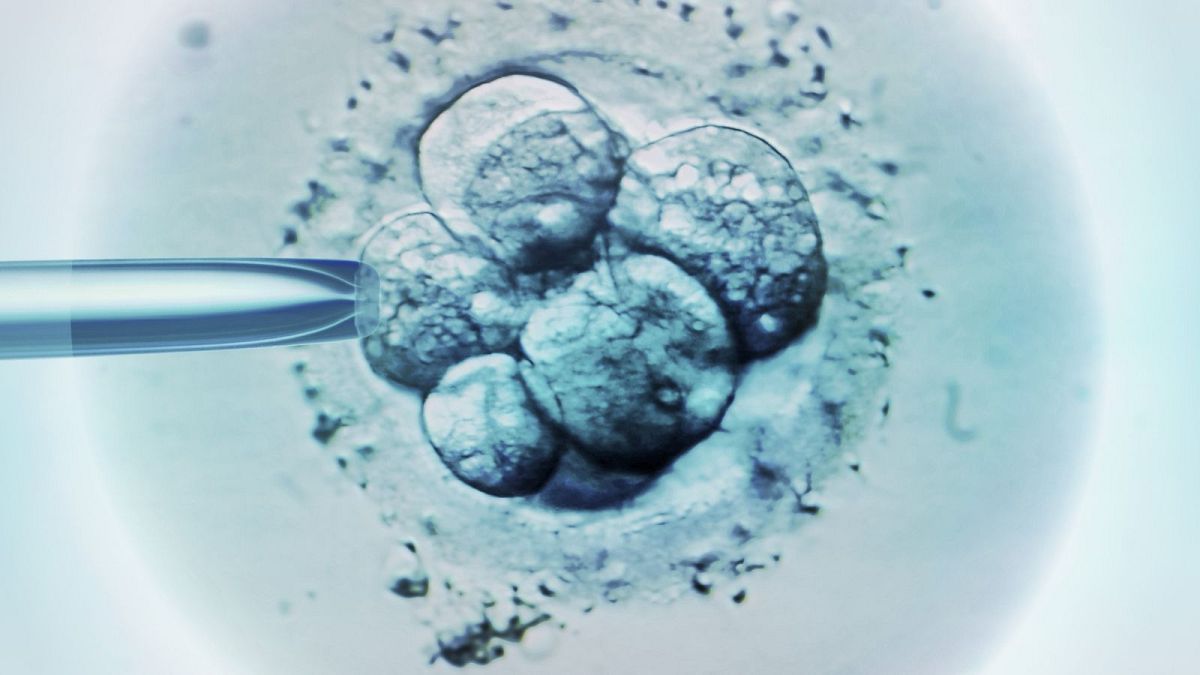
At the core of these conversations are embryoid models, or “synthetic embryos,” which are groups of stem cells altered to imitate the initial phases of human development. These constructs do not involve the use of sperm or eggs, nor do they implant in a uterus. Instead, they are grown in laboratory environments, providing researchers with important understanding of embryogenesis—the process through which an embryo takes shape and matures.
The primary goal behind these studies is not to create life without reproduction, but rather to deepen understanding of early development, miscarriage, and congenital disorders. Yet, as synthetic embryo models become increasingly complex, closely resembling natural embryos, the line between scientific advancement and ethical overreach becomes less clear.
Embryoids, or embryo-like structures created from pluripotent stem cells, have been developed in mice and now in humans, though human versions remain at a significantly earlier stage. In mice, scientists have been able to coax stem cells into forming structures that include rudimentary organs, a neural tube, and even a beating heart. Though these models never develop into full organisms, their increasing biological similarity to natural embryos has generated global interest—and concern.
Human embryoids do not yet replicate all the hallmarks of a viable embryo. They lack the structures required for implantation in a uterus and cannot survive beyond a certain developmental window. Still, their utility in research is unparalleled. They allow scientists to observe early cellular behaviors without the ethical complications of working with fertilized embryos, which are often limited by legal and regulatory constraints.
Los científicos enfatizan que el propósito de esta investigación es explorar, no reproducir. Examinar embriones naturales puede ser complicado por las restricciones legales y morales, además de la limitada disponibilidad de material. Los embriones sintéticos ofrecen una solución a este problema, proporcionando un método éticamente diferente para investigar por qué fallan los embarazos, cómo surgen las anomalías genéticas y cómo funciona la señalización temprana en las células.
Moreover, these models are being used to test the safety of new drugs in pregnancy or explore mechanisms behind infertility. The ability to observe development in a controlled environment opens avenues for early interventions and preventive care.
Despite the scientific optimism, ethical considerations loom large. Some researchers worry that, as embryoid models become more advanced, society will struggle to define the moral status of these creations. At what point does a cell cluster become an entity deserving of rights or protections? If these models mimic development too closely, should there be restrictions on how long they can be grown or what experiments are allowed?
At present, numerous regulatory systems are not prepared to handle synthetic embryo models. In various nations, the legislation pertaining to embryo research was established prior to the advent of this technology, concentrating exclusively on fertilized embryos produced by in vitro fertilization (IVF). Consequently, embryoids frequently find themselves in a legally ambiguous area.
In the United States, for example, federal funding restrictions apply to research involving human embryos, but not to synthetic models that don’t result from fertilization. This distinction gives researchers leeway but also raises questions about oversight and consistency.
Some ethicists and scientific organizations are calling for new, internationally coordinated guidelines to ensure that embryoid research progresses responsibly. The International Society for Stem Cell Research (ISSCR) has proposed that synthetic embryo models be monitored with the same care and ethical scrutiny as traditional embryos, especially as they grow more sophisticated.
The idea of creating life entirely in a lab—without sperm, egg, or uterus—remains firmly in the realm of science fiction. While embryoids can mimic certain developmental features, they lack the full genetic, structural, and environmental components necessary for viability. Current models cannot implant in a uterus or continue development beyond the early stages.
However, progress is rapid. In 2023, scientists in Israel engineered mouse embryoids that lasted eight days—half the gestation time for a mouse—using solely stem cells. They formed a neural tube, a functioning heart, and a blood system. Although not complete organisms, they indicated that intricate development can occur in a laboratory setting under specific circumstances.
These investigations spark curiosity: if mouse embryoids can progress to such an extent, could human embryoids reach the same stage in the future? And if they can, what implications would that have for our understanding of reproduction, parenthood, or potentially humanity itself?
As stem cell technologies make progress, the scientific community encounters a significant challenge: ensuring that innovation progresses in tandem with ethical reflection. Developing advanced models of human growth could transform medicine, yet it also necessitates thoughtful assessment of limits.
La participación pública será crucial. Es necesario un diálogo abierto entre científicos, especialistas en ética, legisladores y la sociedad en general para crear políticas que representen valores comunes y promuevan un avance responsable.
For now, creating life without sperm or egg remains beyond the reach of science. But with each breakthrough in synthetic biology and stem cell manipulation, the conversation about what constitutes life, and who decides its future, becomes more urgent.
As research facilities continue to explore the limits of human development studies, society will face significant dilemmas that put current conventions and legal distinctions to the test. Although the potential to comprehend life from its beginnings is remarkable, the real test of scientific progress will be aligning this potential with accountability.