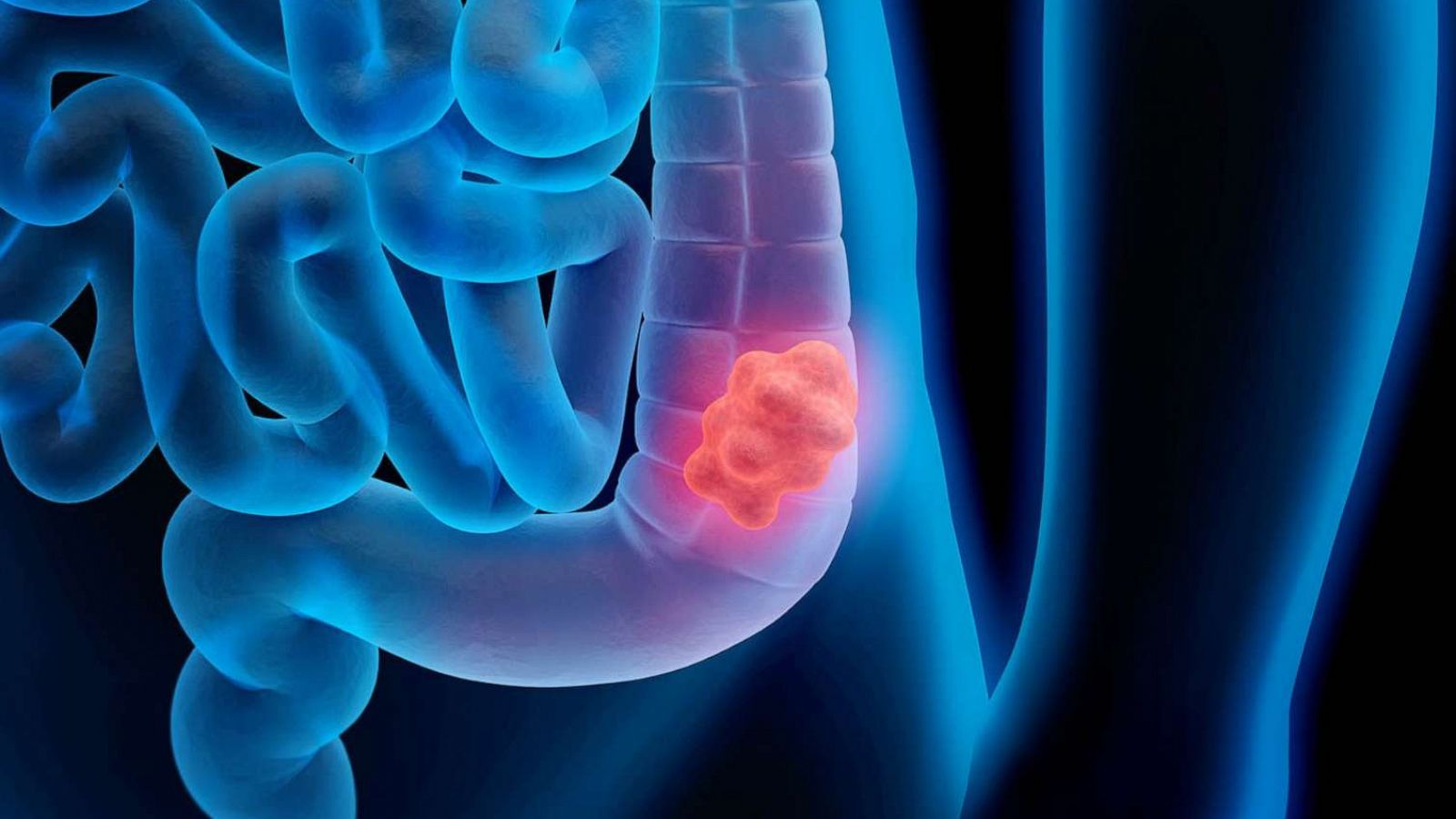

In recent times, there has been a significant change in healthcare practices, resulting in an increase in screenings for colon cancer among young adults. Consequently, instances of the disease are being identified in earlier, more manageable stages. This development is causing both hope and worry within the medical field: although early detection can greatly enhance treatment results, the increasing number of colorectal cancer cases in younger individuals continues to be a rising public health concern.
Historically, colorectal cancer was considered a condition that primarily affected people over 50. For decades, routine screening was recommended beginning at age 50, and the majority of cases were diagnosed in older adults. However, emerging data has shown a steady increase in colon cancer diagnoses among individuals under the age of 45. This shift in the age profile of patients has sparked changes in national guidelines, with many health authorities now recommending that average-risk individuals begin screening as early as age 45 — and even earlier for those with a family history or other risk factors.
The encouraging news is that with earlier screening, healthcare providers are catching more cases in their early stages, when the disease is more responsive to treatment. Colonoscopies and other non-invasive screening methods, such as stool-based tests, can detect polyps before they become cancerous or identify tumors when they are still localized. This has led to better prognoses and a higher rate of curative outcomes for those diagnosed early.
However, the underlying causes behind the uptick in young-onset colorectal cancer remain a subject of ongoing research. While genetics play a role, lifestyle factors are increasingly under scrutiny. Diets high in processed meats and low in fiber, sedentary behavior, excessive alcohol consumption, smoking, and obesity are all considered potential contributors to colorectal cancer risk. In addition, shifts in gut microbiota due to dietary changes or environmental exposures may also be influencing cancer development in younger individuals.
Healthcare experts emphasize that although certain risk factors are unchangeable, like hereditary history or specific genetic disorders such as Lynch syndrome, there are numerous others that can be controlled through knowledgeable decisions and regular health maintenance. Minimizing risk starts by acknowledging the involved factors and taking active measures for prevention.
1. Adopt regular check-ups:
The most effective way to reduce the risk of colon cancer is through timely screening. Colonoscopies remain the gold standard, as they allow physicians to both detect and remove precancerous polyps during the procedure. However, other methods such as fecal immunochemical tests (FIT), stool DNA tests, and virtual colonoscopies can also provide valuable insights. Discussing screening options with a healthcare provider is critical, especially for those with a family history or known risk factors.
2. Emphasize eating patterns:
Nutrition plays a significant role in gastrointestinal health. Diets rich in fruits, vegetables, whole grains, and legumes provide fiber and antioxidants that help maintain a healthy colon. Conversely, excessive consumption of red and processed meats, high-fat foods, and refined sugars has been associated with increased cancer risk. Incorporating plant-based meals and reducing intake of processed foods can offer protective benefits.
3. Maintain a healthy weight and active lifestyle:
Obesity is recognized as a factor that increases the likelihood of developing colon cancer. Keeping a healthy weight by following a nutritious diet and engaging in regular physical exercise — no less than 150 minutes of moderate aerobic activity weekly — can decrease the chances of various cancers, such as colorectal cancer. Physical activity also enhances immune function, aids digestive health, and helps in hormone balance, all of which contribute to preventing cancer.
4. Reduce your alcohol intake and stay away from tobacco:
Alcohol consumption, particularly in high quantities, has been linked to an increased risk of colorectal cancer. Similarly, smoking is a well-known carcinogen that affects multiple organs, including the colon. Limiting or eliminating alcohol intake and avoiding tobacco products can significantly reduce the risk of developing cancer.
5. Pay close attention to signs and variations:
Colon cancer might progress quietly in its initial phases, yet specific signs can indicate the necessity for a medical check-up. These signs involve continuous alterations in bowel routines, bleeding from the rectum, stomach pain or cramping, unexpected weight reduction, and tiredness. Although these symptoms do not invariably mean cancer, they should not be disregarded, especially if they persist or intensify with time.
6. Understand your personal and family medical history:
People with a close family member (such as a parent, brother, sister, or child) who has experienced colon cancer have a higher risk and might require starting screening sooner than most people. Genetic counseling and tests may also be advised for individuals with significant family backgrounds or recognized inherited syndromes that increase the likelihood of cancer.
Public health campaigns are increasingly focusing on education and awareness, especially targeting younger audiences who may not see themselves as vulnerable to a disease historically associated with older adults. Celebrities and advocates who have shared their personal experiences with early-onset colon cancer have played an important role in breaking down stigma and encouraging earlier conversations around screening.
Advances in medical technology have also made screening more accessible. At-home stool-based tests offer a non-invasive, convenient option for those hesitant about traditional colonoscopies. Telehealth platforms now allow individuals to consult with specialists and receive guidance on testing from the comfort of home, reducing barriers to care.
Though progress has been made, differences in availability of screening remain among racial, ethnic, and economic groups. Underrepresented communities frequently encounter higher incidents of diagnoses at advanced stages and reduced survival chances due to inadequacies in healthcare access, insurance, and preventive services. Tackling these disparities is a crucial component of the comprehensive approach to lessen the total impact of colon cancer.
Ultimately, knowledge and proactive measures are fundamental to prevention. As people become more informed about the significance of early identification and adopt personalized strategies to lower risk, more individuals — no matter their age — can manage their health and decrease their likelihood of getting colon cancer.
The rising rates of screening among younger adults represent a step in the right direction, but there is still much work to be done in both research and outreach. As scientists continue to investigate the causes behind early-onset colorectal cancer, individuals can make a difference by staying informed, getting screened on time, and adopting lifestyle choices that support long-term wellness.