The baby tee, a seemingly simple piece of clothing, has once again become a point of conversation, sparking a lively debate about fashion, age, and personal expression. This garment, characterized by its cropped hem and tight fit, is far more than just a shirt; it’s a cultural touchstone that embodies a specific era and challenges contemporary ideas about style. The discussion over whether a grown woman should wear a baby tee is not new, but its recent resurgence has amplified the conversation, prompting a re-evaluation of fashion norms and the subtle pressures women face as they age.
The origin of the baby tee is closely linked to the youth movements of the late 1990s and early 2000s. This top became a staple for both pop icons and teenagers, frequently featuring fun designs, catchy phrases, or quirky pictures. It was usually matched with low-rise jeans or cargo trousers, offering a style that was laid-back yet bold. This trend defied the more structured and formal attire of earlier years, embodying a liberated and relaxed vibe. For numerous women now, the baby tee represents a sentimental reminder of their younger years, connecting them to an era of lively music and unique style.
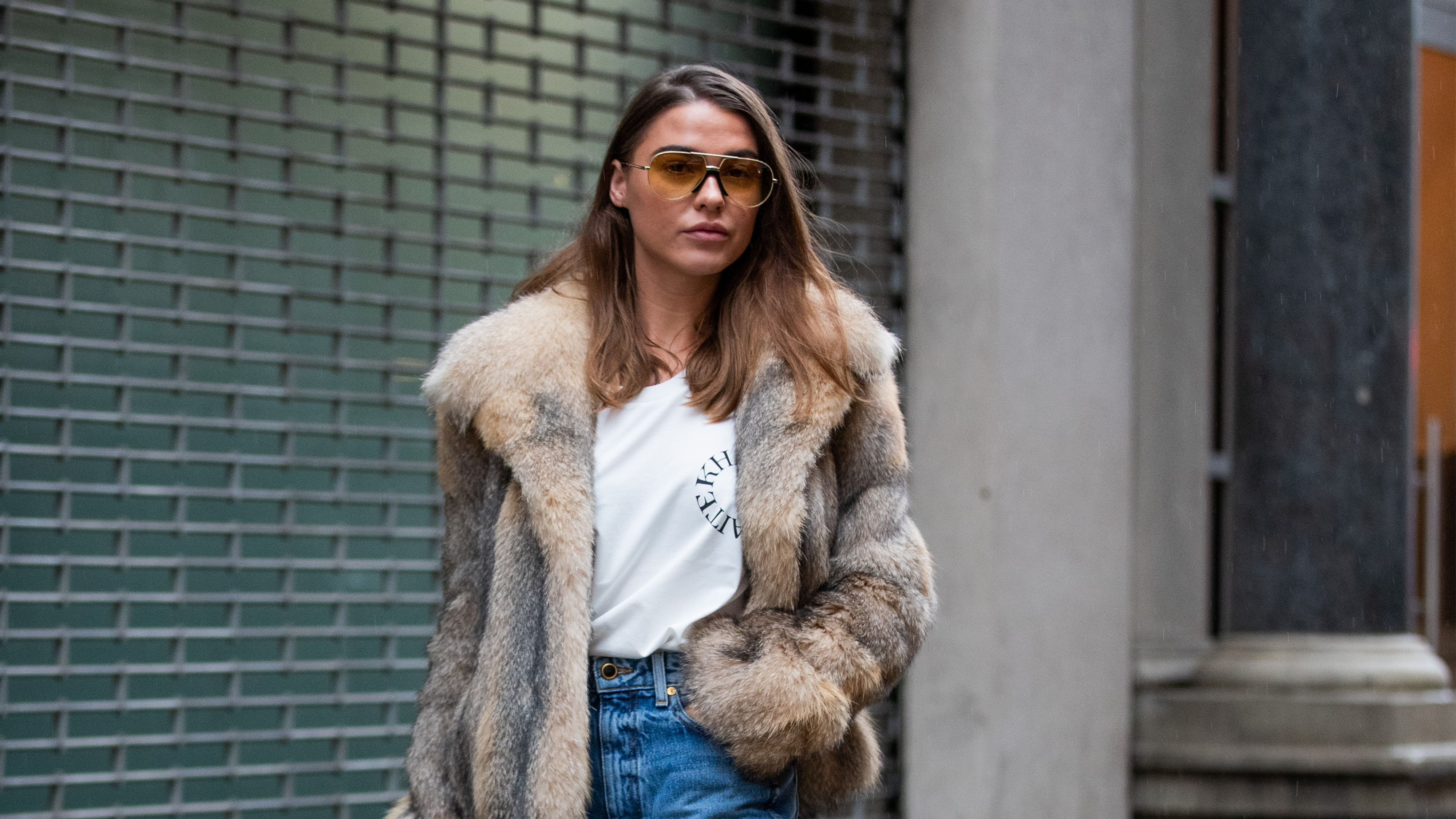
The current revival of the baby tee is driven by a broader trend of Y2K fashion nostalgia, where styles from the late 90s and early 2000s are making a comeback. However, this time around, the baby tee is being reinterpreted and styled in new ways. It is no longer just a piece of teenage apparel but is being embraced by a more diverse group of women, including those in their thirties, forties, and beyond. This has ignited a debate between those who see fashion as a form of ageless self-expression and those who believe certain styles are better suited for a particular life stage.
Advocates for the inclusion of baby tees in the wardrobes of mature women contend that fashion choices should be about personal preference, not dictated by age. They assert that style is an expression of individual character and emotions, and that implementing age-related guidelines in fashion is an antiquated and limiting approach. Supporters see the baby tee as a flexible piece that can be styled in various ways, such as under a blazer or with high-waisted pants for a contemporary look. This viewpoint supports the notion that a woman should embrace confidence and self-assurance, and if a baby tee contributes to that feeling, it is an ideal option, irrespective of her age.
Conversely, a more conventional perspective argues that fashion ought to grow alongside a woman as she ages. This belief holds that despite the ebb and flow of trends, a woman’s fashion sense should shift toward a more refined and elegant look as years pass. It is thought that a baby tee, with its snug fit and shortened design, is naturally youthful and may occasionally seem unsuitable for a woman beyond her teenage years. Though this viewpoint is at times criticized for being overly critical, it is often based on a wish for women to be viewed as strong and graceful, with the idea that some styles might detract from that representation.
The baby tee debate also brings into focus the complex issues surrounding body image and societal expectations. The garment’s snug fit can be a source of both empowerment and anxiety. For some women, wearing a baby tee is an act of defiance against unrealistic beauty standards, a way to celebrate their bodies and feel confident. They see it as a form of reclaiming their narrative and dressing for themselves, not for others. For other women, the pressure to wear a form-fitting and revealing item like the baby tee can be overwhelming, leading to feelings of self-consciousness and a sense of being judged. The resurgence of the baby tee, therefore, has become a symbol of a woman’s complicated relationship with her body and the scrutiny it faces in the public eye.
The question of whether a grown woman should wear a baby tee is less about the garment itself and more about the ongoing cultural conversation about women, aging, and personal freedom. The debate reflects a growing desire to break free from rigid fashion rules and embrace a more inclusive and individualistic approach to style.
Although reaching an agreement might be elusive, the mere fact that this dialogue exists highlights the influence of clothing as a means of expression and as a trigger for wider social debates. Ultimately, the choice to don a baby tee or any other garment is up to the individual, and in an era where uniqueness is more appreciated than ever, that might be the most crucial aspect of the discussion.