
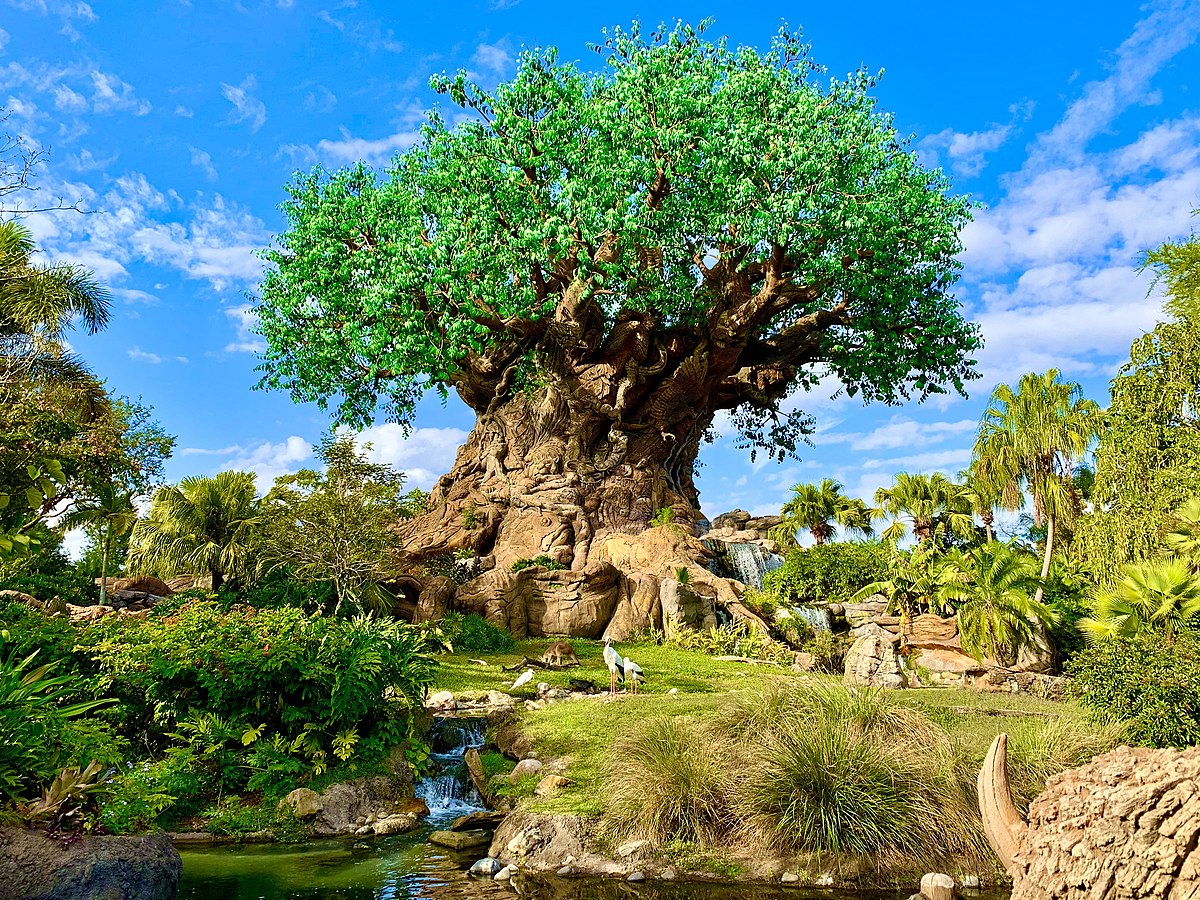

James Cameron’s Avatar, released in 2009, distinguished itself instantly through its groundbreaking visual elements. While many films have leveraged advanced technologies to enhance storytelling, Avatar seizes attention through a multilayered visual language. Each element, from color palettes to design choices, is orchestrated to transport viewers from terrestrial reality to the breathtaking moon of Pandora. This exploration delves into the specific visual facets that make Avatar an enduring cinematic spectacle.
Groundbreaking Application of {{3D}} Technology
Perhaps the most publicized visual innovation in Avatar is its pioneering implementation of stereoscopic 3D. Rather than serving as a mere gimmick, the 3D technology is woven into the very fabric of the storytelling. The unprecedented depth of field immerses audiences in every scene, whether soaring through Pandora’s sky upon a banshee or navigating its bioluminescent forests. The meticulous staging in three dimensions heightens spatial awareness and emotional engagement. Data from the film’s production reveals that, over the course of four years, proprietary cameras and software were developed specifically for this project, underscoring the centrality of visual immersion to the film’s identity.
Exquisite World-Building: Pandora’s Flora and Fauna
Avatar extensively uses environmental narrative, with Pandora acting as a vibrant, sentient entity. The moon’s landscape—featuring a mix of levitating peaks, dense jungles, and luminous plant life—is inspired by actual botanical and zoological principles, yet enhanced by creative design. Every plant, including the colossal Hometree and the conscious Woodsprites, is intricately depicted with vivid hues and fluid animation. The hidden tree canopies and elaborate ground cover add levels of visual intricacy, a result of botanists, designers, and digital artists working together. Indigenous animals—such as the Direhorse and the Banshee—generate a sense of both recognition and extraterrestrial marvel by fusing terrestrial anatomy with unique characteristics, solidifying Pandora’s alien biological system.
Bioluminescence and the Palette of Light
One of the movie’s most recognizable visual elements is its widespread application of bioluminescence. Pandora’s daytime scenes are characterized by rich, intensely saturated greens and blues, yet at night, the environment undergoes a complete change. The woodlands glow with brilliant purples, pinks, blues, and greens, a result of sophisticated rendering methods and a profound grasp of color principles. These bioluminescent phenomena are more than just ornamental; they play a role in Na’vi culture, directing ceremonies and symbolizing spiritual beliefs. For example, the Tree of Souls not only stands out visually but also embodies thematic depth—functioning as both a stunning display and a central point for the story.
Figure Creation and Movement Recording
The Na’vi represent a monumental achievement in digital character creation. Their elongated limbs, feline features, and luminescent skin patterns are instantly memorable. These qualities transcend mere makeup; extensive motion-capture technology allows the performers’ emotional nuances to be translated faithfully onto their digital counterparts. The facial capture innovation plays a crucial role—subtle expressions, eye movements, and body language convey authenticity, minimizing the notorious ‘uncanny valley’ effect. Behind this seamlessness lies an enormous logistical operation: more than 60% of the film comprises computer-generated characters interacting dynamically with both digital and live-action elements.
Attire and Societal Indicators
Extensive visual detail is incorporated into the costume design for both the Na’vi and human characters. The Na’vi’s clothing incorporates woven fabrics, organic leathers, plumes, and glowing beads, each element signifying their spiritual bond with their environment. This design choice mirrors actual indigenous cultures while integrating fantastical elements, serving as a visual cue for profound cultural meaning. Human figures—particularly the military personnel and researchers—are characterized by practical exoskeletons, laboratory garments, and armored machinery, highlighting the central conflict between the natural world and technological advancement, and visually representing the divergence in human and Na’vi perspectives.
Environmental Composition and Cinematic Framing
The visual storytelling in Avatar carefully portrays Pandora’s magnificence using expansive establishing shots and detailed close-ups. Broad-view panoramas showcase the breathtaking elevation of the Hallelujah Mountains, utilizing their sheer size to evoke both wonder and a feeling of smallness. Cameron utilizes fluid camera work to mimic flight and compose action scenes, generating a vibrant energy that immerses viewers in the environment. Significant moments employ illumination and darkness, highlighting the contrast between Na’vi tranquility and the stark, unfeeling human settlements, offering a visual narrative that reinforces central messages.
Blending Practical and Digital Effects
The combination of practical and digital effects ensures that Pandora’s setting appears tangible instead of completely artificial. Actual sets are integrated with computer-generated additions, enabling live performers to engage authentically with their environment. This mixed methodology is evident in close-up shots of forest grounds, where actors’ hands touch digital plant life that reacts instantly, grounding the visual illusion in physical existence.
Influence on Other Media and Popular Culture
The distinctive visual style created by Avatar has left its mark on video games, amusement park rides, and later movies. For instance, the captivating areas within prominent theme parks replicate Pandora’s luminous landscapes, showcasing the movie’s enduring visual influence. Other directors have referred to Avatar as a standard for seamlessly blending computer graphics with live action on a grand scale, employing it as a measure for technical aspiration and narrative presentation.
An Enduring Visual Heritage
Every visual decision in Avatar combines advanced technology and creative world-building to deliver a deeply immersive experience. The movie’s unified color scheme, detailed character designs, and novel lighting techniques are meticulously arranged, pulling audiences further into its environmental narrative. With these components, Avatar has not only influenced the progression of visual effects but also reset standards for cinematic engagement, showcasing the lasting impact of artistic skill blended with technological innovation.


