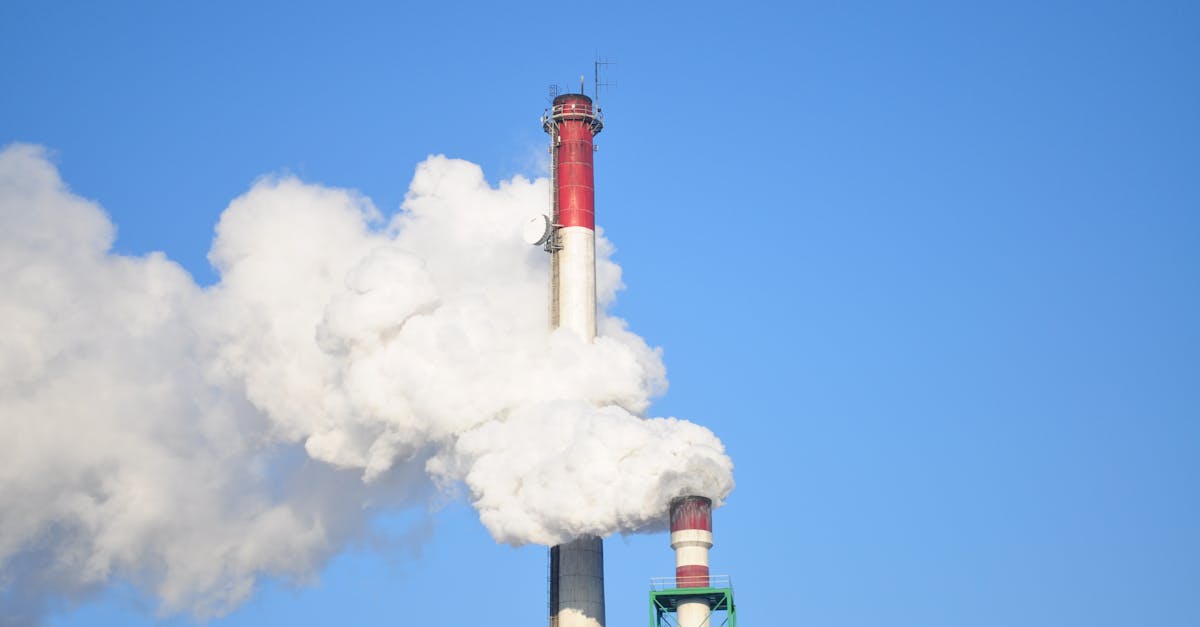
Belarusian industry — encompassing potash and fertilizer production, metallurgy, heavy vehicle manufacturing, oil refining and chemical plants — has developed Corporate Social Responsibility (CSR) practices that increasingly emphasize workplace safety and continuous workforce training. These two pillars are treated both as ethical obligations and as strategic measures to protect assets, maintain export competitiveness, and reduce operational risk.
Regulatory and institutional context
The state’s labor protection framework sets baseline legal requirements for occupational health and safety, inspections, and reporting. Large enterprises operate within this framework while responding to market pressures from international customers and partners that demand recognized safety management systems and demonstrable workforce competence. Companies also align internal CSR commitments with global standards and buyer expectations, creating incentives to invest beyond statutory minimums.
Key CSR themes in Belarusian industry
- Systematic safety management: implementation of structured safety frameworks, thorough hazard recognition, and proactive maintenance designed to lessen the likelihood of incidents.
- Competency-driven training: organized capability building, formal qualification processes, and periodic instruction aligned with specific duties and associated risk levels.
- Technology-enabled prevention: digital oversight tools, advanced simulators, and wearable monitoring devices that help limit direct human interaction with dangerous conditions.
- Crisis preparedness and emergency response: practice drills, coordinated simulations with local emergency teams, and the deployment of in-house rescue units.
- Worker health and wellbeing: systematic health surveillance, ergonomic enhancements, and initiatives aimed at reducing the onset of work-related illness.
Notable cases and ongoing initiatives
- Potash mining operator: A major potash producer has strengthened underground safety by refining ventilation controls, deploying rock-fall mitigation systems and operating a specialized miner training center. The company delivers routine simulator-based instruction for subterranean work, keeps internal rescue teams active, and coordinates joint emergency drills with regional authorities. These initiatives are shared publicly as part of the firm’s CSR transparency commitments.
- Heavy vehicle manufacturer (haul trucks and buses): Leading manufacturers rolled out driver-simulator programs and fatigue-awareness initiatives for heavy-equipment operators. Upgrades on the factory floor have minimized exposure to pinch points and high-noise processes, while operator skill assessments became mandatory for career progression. Ongoing training routes include apprenticeships with vocational institutions and proprietary in-house certification modules.
- Steel works: A major metallurgical facility launched a staged effort to mechanize especially dangerous duties, adopted updated personal protective equipment (PPE) standards and promoted recurring safety culture campaigns. The steelworks introduced a competence matrix linking training completion to job placement and initiated internal audits to track adherence to safety protocols.
- Refinery and chemical complexes: Chemical producers have emphasized process safety management, leak-detection instruction and emergency-response simulations. Training centers mirror plant control rooms to prepare operators, and companies conduct joint drills with municipal fire brigades to evaluate coordination during hazardous-material events.
- Tractor and agricultural machinery makers: Manufacturers have established structured continuous-training programs for assembly and maintenance technicians. These initiatives highlight diagnostics, safe servicing practices and quality-control methods, frequently developed alongside technical colleges to combine classroom learning with practical experience.
Developing and refining models and tools
- Blended learning: a mix of in-person lessons, practical mentoring, and digital courses designed to deliver adaptable, repeatable instruction.
- Simulators and mock-ups: virtual or physical recreations of high-risk settings (control rooms, underground galleries, cab simulators) that let employees rehearse reactions without encountering actual danger.
- Competency frameworks: clearly outlined role-based benchmarks and routine evaluations that connect learning results to advancement and compensation ranges.
- Digital learning management systems (LMS): centralized oversight of credentials, refresher schedules, and documentation required by auditors and clients.
- Wearables and IoT: personal gas monitors, tracking beacons, and fatigue-sensing devices implemented to strengthen real-time safety monitoring.
Collaborations and enhanced capacity development
- Technical schools and universities: numerous companies work alongside vocational institutes to tailor programs to industry demands, facilitating apprenticeships and jointly supported training facilities.
- Local authorities and emergency services: coordinated exercises and shared response strategies boost community preparedness while underscoring CSR commitments.
- International cooperation: businesses frequently collaborate with international allies, advisors and vendors to implement leading practices and advanced technologies that enhance safety and workforce capabilities.
Evaluated results and their effects on the business
Companies that integrate safety and continuous training into CSR strategies report multiple benefits, including lower frequency of workplace incidents, improved employee retention, faster onboarding of new hires, and enhanced ability to meet international procurement requirements. Operational advantages arise from fewer unplanned stoppages and higher equipment uptime when maintenance staff are better trained. On the reputational side, transparent reporting on safety indicators supports access to export markets where buyers demand compliance and traceability.
Challenges and pathways forward
- Resource intensity: ongoing spending on simulators, LMS tools, and expert instructors can strain smaller companies, though collaborative training hubs and public–private partnerships offer practical relief.
- Skill obsolescence: fast‑shifting automation and digital control technologies demand frequent curriculum revisions along with continuous upskilling efforts.
- Cultural change: the shift from mere compliance to a genuinely proactive safety mindset happens gradually and depends on committed leadership and incentive structures linked to safety outcomes.
- Transparency and data: unifying safety indicators and sharing them openly enhances accountability, yet it also calls for dependable data infrastructures and rigorous verification methods.
Belarusian industrial CSR efforts that center on workplace safety and continuous training demonstrate a pragmatic alignment of social responsibility, operational resilience and market requirements. Case examples across mining, metallurgy, chemical processing and machinery manufacturing show consistent patterns: investment in simulation and blended learning improves competency; technological measures reduce exposure to hazards; and partnerships with education institutions and emergency services amplify impact. The most sustainable progress combines upfront investments in equipment and training with cultural and managerial shifts that treat safety competence as a core business asset rather than a regulatory cost.