
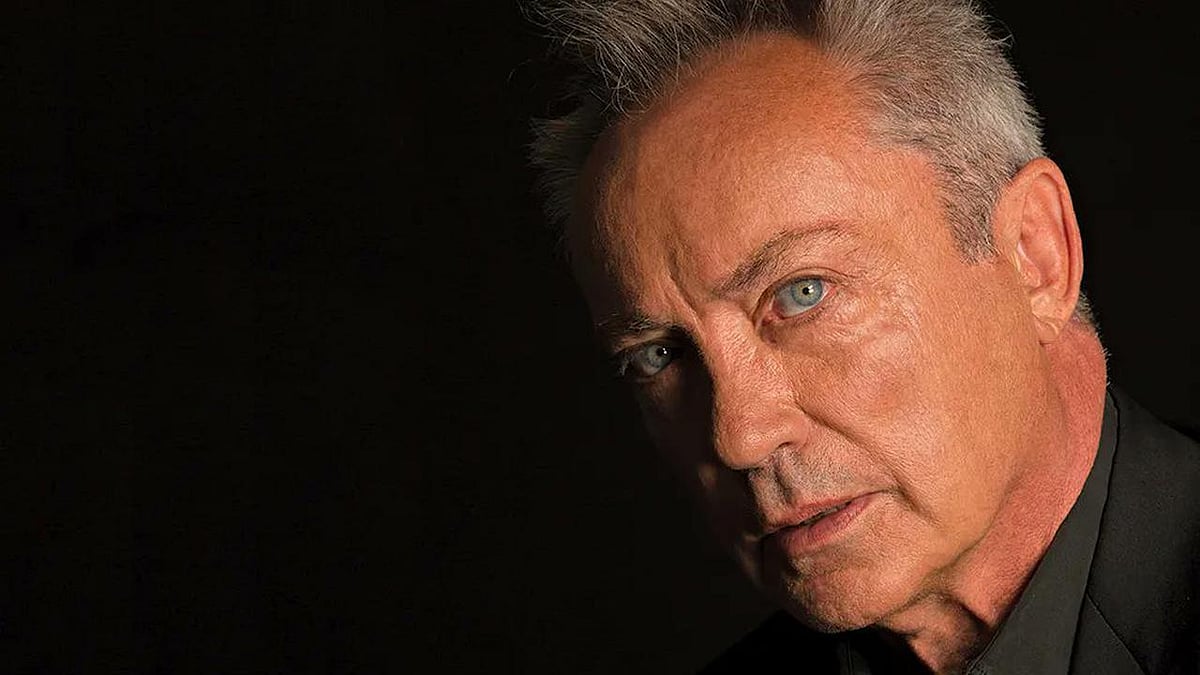

The film world is mourning the loss of an actor whose talent moved effortlessly between experimental cinema and mainstream productions. His career, built on bold choices and unforgettable characters, leaves behind a legacy that reshaped the possibilities of on-screen performance.
Udo Kier, a truly unique figure in global cinema for over fifty years, has died at 81. His partner, Delbert McBride, confirmed this news to Variety. Kier, who moved seamlessly between the avant-garde European art-house scene and mainstream Hollywood productions, forged a career marked by his artistic bravery and partnerships with many of the most significant directors, artists, and actors of the past and current centuries.
Known for his distinct screen presence—one equal parts elegance, intensity, eccentricity, and emotional complexity—Kier crafted roles that not only entertained but challenged and provoked. His death represents the closing of an era marked by experimental storytelling, cinematic risk-taking, and the cultivation of an entirely new type of on-screen villain.
A career built on daring performances and artistic alliances
Kier’s reputation initially gained widespread recognition during the 1970s, a period that proved instrumental in shaping the trajectory of his artistic endeavors. The performer rose to prominence within a surge of cult horror movies, distinguished by their distinctive aesthetic and audacious themes. These initial portrayals, brimming with dramatic flair and profound psychological insight, cemented his status as an exceptionally captivating portrayer of shadowy, mysterious figures. Spectators and reviewers alike were captivated by his ability to embody characters that could have readily devolved into mere caricatures, yet, through his interpretation, transformed into vibrant explorations of human eccentricity and fragility.
What truly set Kier apart was his knack for attracting collaborators who mirrored his passion for groundbreaking ideas. Over his sixty-year career in cinema, he amassed over 250 acting roles, collaborating with influential figures instrumental in shaping contemporary film. These included the German master Rainer Werner Fassbinder, the Danish iconoclast Lars von Trier, the American director Gus Van Sant, and the perpetually daring Werner Herzog. Such alliances were crucial in forging a filmography that continuously transformed, moving beyond typical categories, national borders, and artistic norms.
Beyond the world of traditional filmmaking, Kier also forged connections with figures from other creative disciplines. His work intersected with visual art and music—collaborating with icons such as Andy Warhol and appearing in projects with global pop superstar Madonna. These relationships underscored his reputation as a performer who embraced artistic boundaries simply so he could cross them.
Pivotal performances and the ascent to iconic status
While Kier’s filmography is vast and varied, certain roles propelled him into cultural mythology. His appearance in Paul Morrissey and Andy Warhol’s 1973 film Flesh for Frankenstein marked a turning point in his career. The film, a blend of horror, satire, and surrealist spectacle, became a defining moment for Kier’s on-screen identity. His striking portrayal of a twisted, obsessive version of the Frankenstein mythos showcased his ability to transform even the most outrageous roles into memorable cinematic experiences.
Morrissey cast him again the following year in Blood for Dracula, another project that further cemented Kier’s reputation as a cult icon. His performance as the pale, tormented count revived fascination with the Dracula archetype while simultaneously reimagining it. Kier infused the character with a combination of fragility and menace, crafting a monster who felt painfully human. That emotional complexity would become a hallmark of many of his later villainous roles, setting him apart from actors who played antagonists as purely sinister figures.
It was within this era of artistic flourishing that Kier renewed his acquaintance with Fassbinder, a filmmaker recognized for his intensely groundbreaking style and extensive body of work. Their joint ventures encompassed numerous productions, with Berlin Alexanderplatz standing out as the most prominent—an ambitious 15-hour miniseries delving into Berlin during the interwar years. Kier’s involvement in such a monumental undertaking further solidified his reputation as an actor who fearlessly challenged the boundaries of structure and storytelling.
The unforeseen path that molded his creative development
Kier’s journey to the cinematic world wasn’t paved by conventional schooling or a desire for the stage. Rather, his foray into performing arts originated from a sequence of unforeseen meetings that reshaped his destiny. He came into existence in Cologne in 1944, during the concluding period of World War II, meaning his very entrance into the world was characterized by intense events. Just hours following his birth, a bomb hit the medical facility where he and his mother were located, trapping them amidst debris until their rescue. In a conversation with the Guardian in 2002, Kier contemplated this remarkable start, suggesting that his existence had consistently been intertwined with dramatic turns.
As a teenager, he happened upon Fassbinder in a bar—long before either had cemented their names in cinema. The connection proved more symbolic than immediate, but it foreshadowed their later collaborations that would leave an indelible imprint on German film. And Kier’s first major break arrived through another serendipitous moment: British singer and filmmaker Michael Sarne noticed him in a London coffee shop when Kier was just 18. Sarne later cast him in a short film, giving Kier his first taste of acting. As he recalled to Variety in 2024, the attention surrounding the role sparked his interest in pursuing the craft more seriously.
Another life-changing coincidence occurred seven years later, during a transatlantic flight. Kier found himself seated next to Paul Morrissey, who worked closely with Andy Warhol. Not recognizing the filmmaker, Kier casually mentioned that he was an actor and shared some of his photographs. Morrissey, intrigued, wrote down Kier’s number—on the very last page of his passport—and later cast him in Flesh for Frankenstein. This single meeting triggered a series of collaborations that defined the early trajectory of Kier’s international career.
From art films to Hollywood visibility
As time went on, Kier continued his involvement in experimental cinema while also exploring mainstream endeavors, showcasing his diverse capabilities. One of the movies that brought him to a wider public was Ace Ventura: Pet Detective, a Hollywood comedy where he gave a notable performance that stood in stark contrast to the intensity of his previous roles. His knack for effortlessly transitioning between specialized independent films and large-scale commercial productions highlighted an uncommon flexibility that ensured his continued relevance across different cinematic environments.
Even as he ventured into the Hollywood scene, Kier consistently upheld his origins in more avant-garde narrative forms. He persistently accepted parts that delved into atypical subjects and personalities, thereby preserving his standing as an artist driven by inquisitiveness and genuineness, rather than by commercial aspirations. This equilibrium between widespread recognition and underground respect established him as a unique personality within the international cinematic sphere—a figure revered by film enthusiasts, performers, and filmmakers alike for his capacity to stay authentic while perpetually transforming.
A journey defined by innovation, endurance, and transformation
In his twilight years, Kier made his home in Palm Springs, California, a locale celebrated for its lively artistic scene and unique desert scenery. Within this setting, he cultivated a tranquil domestic existence, shared with his animal companions—a dog named Liza, a tribute to Liza Minnelli, and a colossal tortoise he called Hans. This environment, a stark departure from the frenetic energy of movie productions, offered a calm setting that stood in sharp contrast to the often intense characters he portrayed on screen.
Even in his later years, Kier maintained a consistent work ethic, participating in cinematic projects that showcased both his extensive acting capabilities and the unique charm that had captivated viewers since the 1970s. Every portrayal, whether in an intimate independent film or a larger commercial release, underscored his unwavering devotion to his profession. His commitment stemmed not from a pursuit of celebrity, but from an authentic passion for narrative and character development.
Udo Kier’s death marks the end of an extraordinary era in film. His life’s trajectory—from enduring the ravages of war as a baby to evolving into a globally recognized cinematic figure—exemplifies the strength of endurance, chance encounters, and creative audacity. His legacy will undoubtedly motivate upcoming cohorts of directors and performers who aim to defy norms and delve into the complete range of human feelings through the medium of film.
His impact is extensive, diverse, and enduring.


