
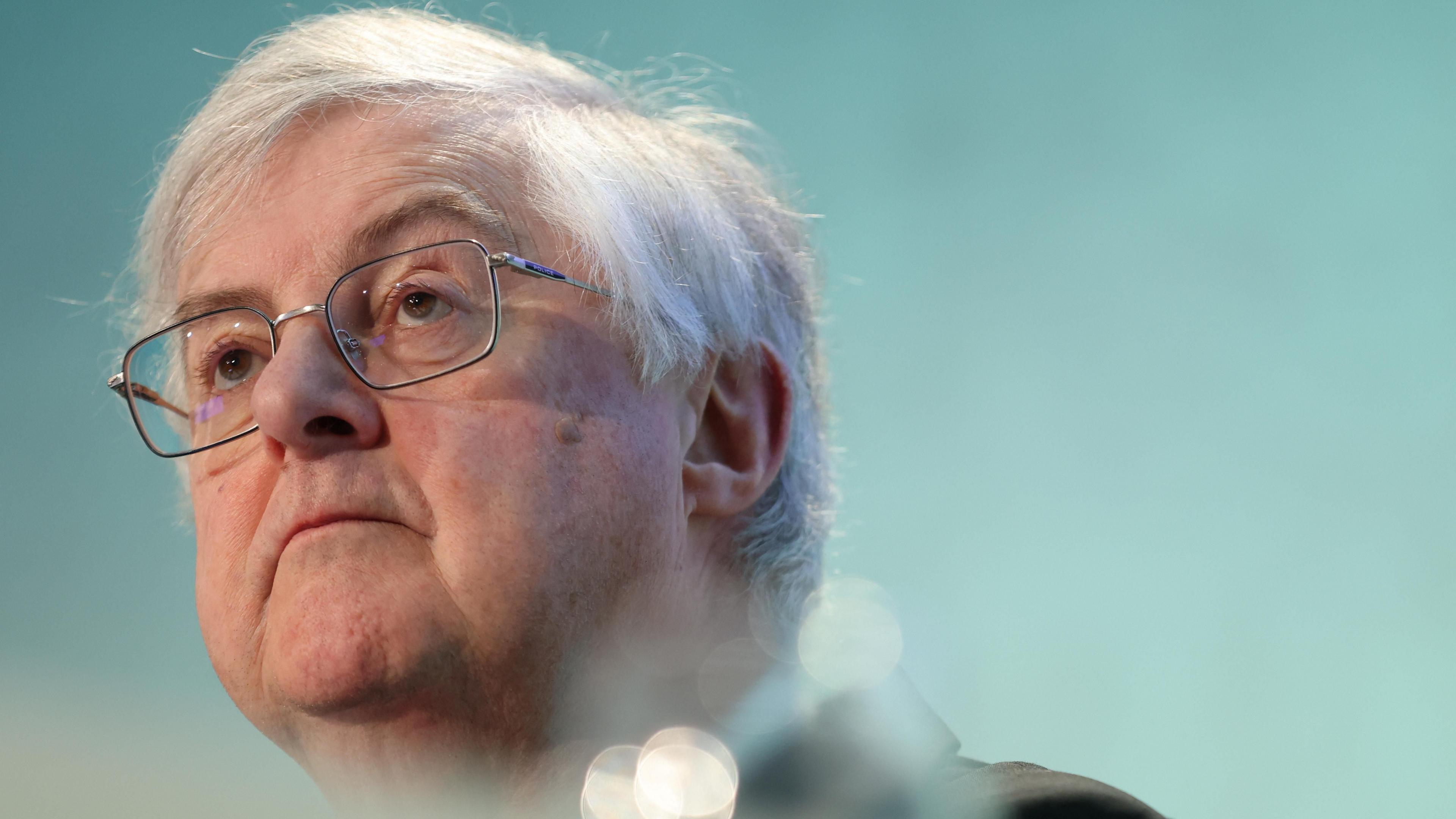

Numerous high-ranking officials at the BBC have been requested to temporarily relinquish their roles due to a recent internal conflict that has intensified examination of the organization’s leadership and governance. This action, occurring at a critical moment for the broadcaster, aims to ensure an independent evaluation can proceed unobstructed and without any perceived partiality.
The controversy that led to this move centers around allegations of misconduct and concerns about the impartiality of some BBC executives. While the specifics of the dispute have not been made fully public, the situation has sparked debate over the BBC’s internal processes, accountability, and its ability to maintain the trust of the public it serves.
The BBC, as the United Kingdom’s national broadcaster, holds a unique position in British society. Funded by the public through the television license fee, the organization is expected to uphold the highest standards of editorial integrity, impartiality, and transparency. Moments of internal discord, therefore, carry significant weight—not only within the company but also in the eyes of the public and government stakeholders.
In a statement addressing the recent developments, the BBC emphasized its commitment to ensuring that the situation is handled with fairness and integrity. By asking those involved to temporarily step back from their duties, the organization aims to allow an impartial examination of the facts and to demonstrate accountability to both staff and audiences.
This move follows increased scrutiny of the BBC’s decision-making and management culture in recent years. Previous controversies, including high-profile resignations and accusations of bias, have prompted calls for reform and greater transparency within the corporation. The latest developments add to a growing conversation about how the BBC can navigate the challenges of modern media while preserving its foundational values.
At the core of this scenario lies the intricate role the BBC fulfills as a public broadcaster and a leading media entity within an ever-evolving information environment. The organization endures pressure from various angles: political scrutiny, public expectations for unbiased journalism, and internal appeals for a more inclusive and adaptive culture. The provisional absence of top-level personnel is viewed by certain analysts as an essential measure to safeguard the integrity of ongoing examinations and to provide an opportunity for thoughtful introspection.
For BBC employees, the news has created an atmosphere of uncertainty. Staff members are keenly aware of the importance of public perception and are mindful of the potential impact on morale and day-to-day operations. However, there is also recognition that taking decisive action in the face of internal conflict is essential for maintaining the broadcaster’s integrity and the confidence of its global audience.
The present scenario has ignited wider debates about the responsibility of leadership within public institutions. At a time when confidence in media entities is being examined closely, it is crucial for organizations like the BBC to handle internal disagreements openly and efficiently. Not succeeding in this regard might undermine both internal unity and the public’s trust in the institution’s fairness and dependability.
The decision to step back is framed as temporary, pending the outcome of the investigation. It remains unclear how long the process will take or what the ultimate consequences for the individuals involved may be. However, the BBC has reaffirmed its dedication to upholding its values and to implementing any necessary changes based on the findings of the review.
This episode is part of a wider global conversation about media governance and the responsibilities of public broadcasters in the digital age. With social media platforms, alternative news sources, and political polarization shaping the media environment, organizations like the BBC must continuously adapt while safeguarding their core principles.
The BBC’s role in British life extends beyond news reporting. It serves as a cultural touchstone, a source of entertainment, and a forum for public discourse. Maintaining trust across these diverse functions is critical, particularly as the media industry grapples with declining audience trust and financial pressures. The handling of this internal dispute will therefore be closely watched not only within the UK but also by media organizations around the world facing similar challenges.
In recent years, the BBC has introduced a range of initiatives aimed at strengthening diversity, inclusion, and impartiality. These efforts include editorial reviews, staff training, and increased oversight on decision-making processes. However, incidents like the current one highlight that sustaining these goals requires ongoing commitment, vigilance, and transparency.
The involvement of independent investigators in this case may help to reassure the public and the BBC workforce that the process will be fair and free from undue influence. Transparency in communicating the results of the review will be essential in rebuilding any lost confidence and in demonstrating that the organization is capable of self-correction when needed.
The evolving situation prompts inquiries into the management of crises by public entities in the digital age, where news travels swiftly and image harm can happen within a short time. The way the BBC handles this, particularly its interactions with interested parties and the general public, will be crucial in influencing how its trustworthiness is perceived in the future.
For the individuals who have stepped back from their roles, the immediate future remains uncertain. The outcome of the investigation will likely determine whether they return to their positions, face disciplinary action, or move on from the organization altogether. For the BBC as a whole, the priority will be to ensure that its editorial independence, ethical standards, and public service mission remain intact throughout the process.
In the meantime, the BBC continues its day-to-day operations, with other members of leadership and editorial teams stepping in to ensure continuity. Viewers and listeners can expect regular programming to continue as usual, though the ongoing investigation remains a prominent topic of discussion in the media landscape.
In the end, this situation highlights the need for media organizations to continuously earn and protect public confidence. For the BBC, which has been a cornerstone of British society for more than a hundred years, this entails not only providing exceptional content but also making sure its leadership reflects the principles it broadcasts.
The outcome of this episode may set an important precedent for how the BBC and other public broadcasters address internal disputes in the future. It may also influence wider debates about the balance between tradition and reform in one of the world’s most respected media institutions.


