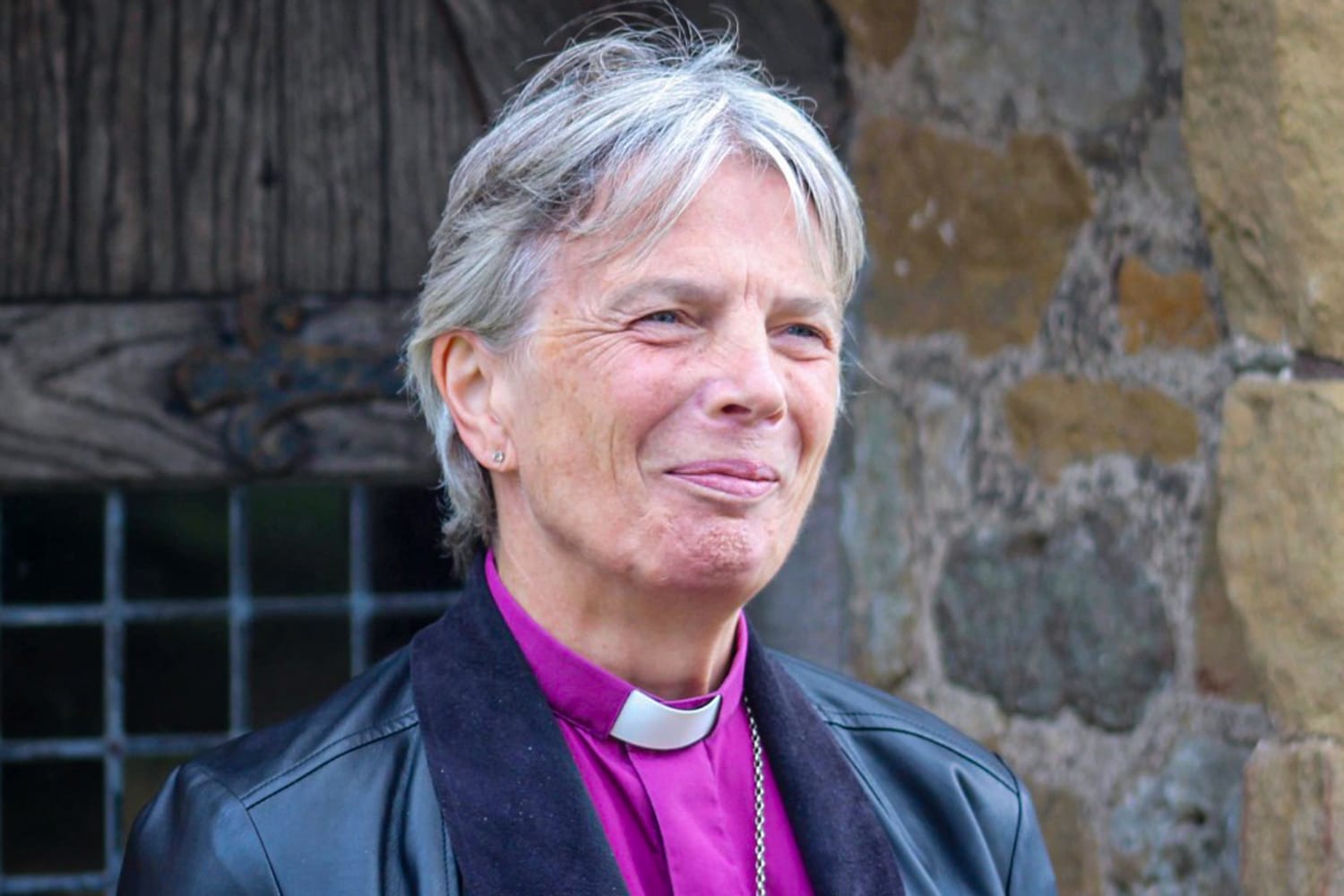

In a landmark moment for the Church and broader British society, Cherry Vann has been named the first woman and openly LGBTQ cleric to assume the title of archbishop in the United Kingdom. Her historic appointment marks a significant step forward in the ongoing movement toward greater inclusivity and representation within ecclesiastical leadership.
Vann’s elevation to the role of archbishop is not only a personal milestone, but also a reflection of evolving values within certain branches of Anglicanism and related denominations in Britain. Her appointment has drawn attention from faith communities and advocacy groups alike, as it brings to the forefront important conversations around gender, sexuality, and equality in religious institutions traditionally governed by male-dominated hierarchies.
For many years, Vann has worked in different roles within the Church. She is well-known for her leadership in pastoral care, profound theological insights, and dedication to social justice. Before taking on her current position, she served as the Bishop of Monmouth in the Church in Wales. There, she was instrumental in community engagement, developing parishes, and enhancing interfaith connections.
Her experience encompasses several years within the Diocese of Manchester, where she launched her career in the clergy and became one of the inaugural female priests in the Church of England after it approved the ordination of women in the 1990s. Vann’s professional journey has been characterized by consistent progression through the hierarchy, bolstered by a reputation for insightful leadership, empathetic ministry, and support for underrepresented groups.
In stepping into her new role, Vann inherits a position that carries both symbolic weight and practical responsibility. As archbishop, she will not only oversee ecclesiastical affairs within her jurisdiction but also serve as a prominent public voice on issues affecting the Church and society at large. Her presence in this role underscores a broader shift in attitudes toward diversity within the religious sphere, particularly among faith groups that are grappling with how to remain relevant and reflective of the communities they serve.
Although Vann’s appointment is hailed by numerous individuals as a historic milestone, it has also led to discussions among more traditional factions within the Anglican community. Opponents claim that these modifications signify a deviation from traditional beliefs, whereas advocates assert that they are an essential progression toward a more inclusive and equitable Church.
Throughout her career, Vann has consistently advocated for a faith that embraces diversity and affirms human dignity. Her approach to ministry emphasizes reconciliation, openness, and humility — values that many see as vital in a time of social and political division. As an openly lesbian woman in a committed relationship, Vann has not shied away from speaking about the importance of authenticity and the challenges that LGBTQ people often face in religious environments.
Her appointment is particularly notable within the context of the Church in Wales, which has shown increasing willingness to engage with contemporary social issues, including same-sex unions and gender equality. In 2021, the Church voted to bless same-sex partnerships, a move that distinguished it from other Anglican provinces and signaled a more progressive trajectory.
The significance of Vann’s recent appointment stretches beyond the confines of the Church alone. In her capacity as archbishop, she is poised to impact broader public conversations on topics such as inclusion, identity, and moral leadership. Her background and viewpoint might provide a new perspective for examining the connection between faith and contemporary society, particularly as religious organizations aim to restore trust and engage with younger and more varied demographics.
Response to her nomination has been overwhelmingly favorable across different domains. Religious LGBTQ groups have praised the choice as a significant triumph, highlighting how representation in top church leadership roles can be transformative for those who have felt marginalized. Women involved in ministry have also applauded the achievement, emphasizing the dedication and persistence that led to Vann’s accomplishment.
Despite the celebratory tone surrounding her appointment, Vann remains characteristically grounded. In recent statements, she has emphasized that her focus remains on service — both to the Church and to the wider community. She has expressed gratitude for the opportunity to lead, while acknowledging the responsibility that comes with breaking new ground.
Vann’s story is one of steady commitment rather than sudden breakthrough. Her rise through the ecclesiastical ranks has been shaped by years of faithful work, resilience in the face of institutional challenges, and a deep conviction that the Church must be a space of welcome and inclusion. Her journey reflects the broader narrative of change unfolding across many religious denominations as they navigate questions of identity, tradition, and reform.
As she starts this new phase, Archbishop Vann is set to make a significant impact on the Church and beyond. Her guidance is expected to motivate a fresh generation of clergy and laypeople who view her as an example of honesty, bravery, and optimism. For many, her leadership is not merely a symbol of advancement, but a strong confirmation that the Church can develop while retaining its essence.
In the years ahead, the impact of Cherry Vann’s appointment will be measured not only by the policies she helps shape or the sermons she delivers, but by the example she sets as a leader committed to equity, compassion, and spiritual authenticity. As faith communities continue to face questions about relevance, representation, and renewal, her story offers a compelling vision of what the future of religious leadership might look like: inclusive, principled, and deeply human.