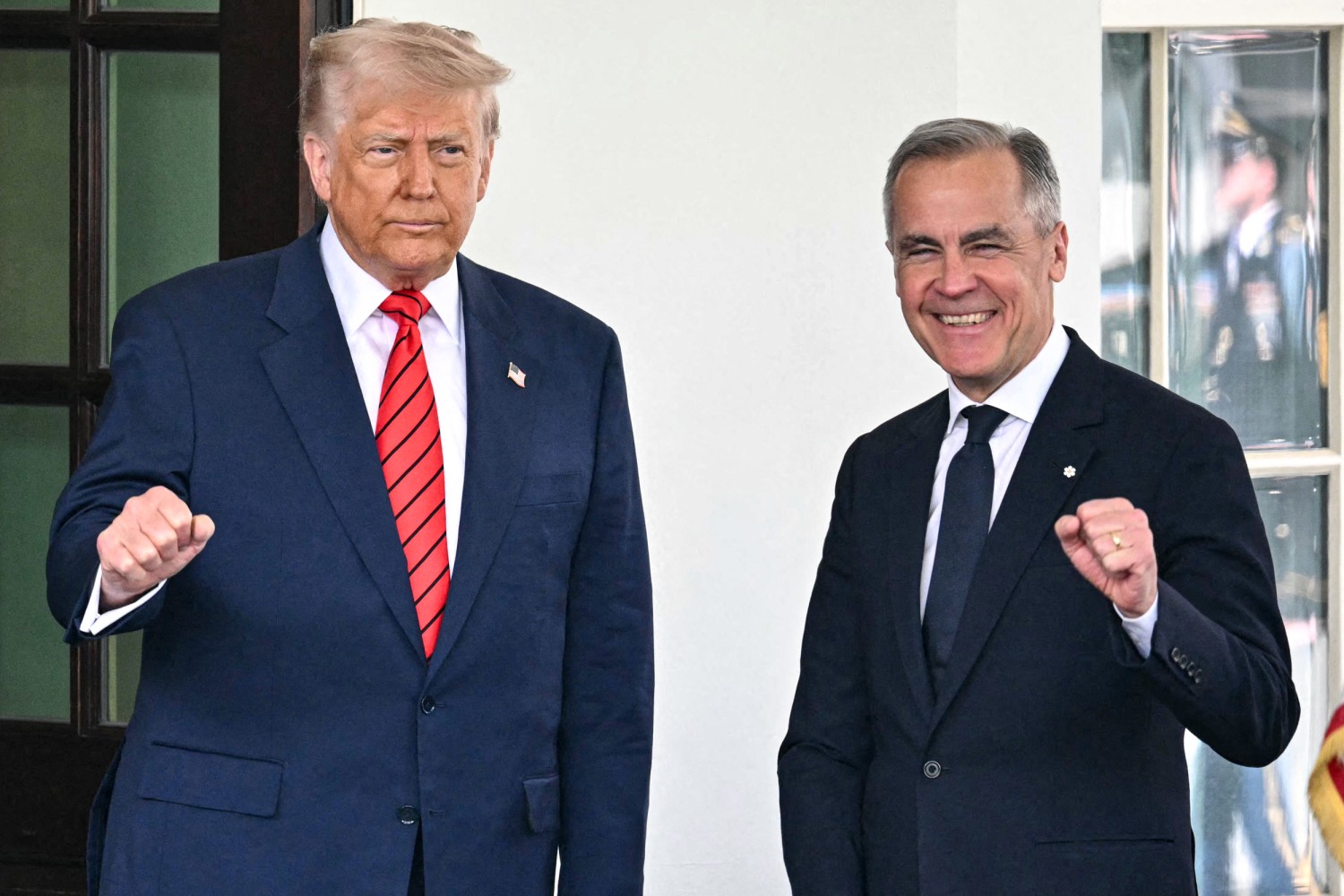

In a recent public statement, former Bank of England Governor Mark Carney suggested that any forthcoming trade agreement between the United States and Canada is likely to feature certain targeted tariffs. Carney, who has also served as Governor of the Bank of Canada and is now a prominent voice in global finance and economic policy, emphasized that evolving economic dynamics, geopolitical pressures, and industrial strategy may require both countries to revisit assumptions about fully tariff-free trade.
Though Carney did not specify particular industries or products that might be impacted, his remarks suggest a departure from the enduring concept of total free trade between the two countries. Rather, he emphasized a possible requirement for “smart tariffs” or selective trade limitations intended to safeguard strategic sectors, address carbon output, or secure supply chain robustness, particularly in crucial fields like energy, manufacturing, and clean technology.
This perspective reflects a broader global trend in which countries are reassessing traditional trade liberalization models in favor of more nuanced economic partnerships that prioritize national interests, climate goals, and economic security. Carney’s remarks, delivered at an economic forum focused on North American competitiveness, underscore how both Canada and the United States are navigating a more complex global trade environment shaped by challenges such as inflation, climate change, digital transformation, and geopolitical tension.
The trade relationship between the U.S. and Canada is one of the largest and most intricate in the world. Each day, goods and services worth billions of dollars flow across the border, underpinning economic growth, job creation, and industrial innovation in both countries. While the United States-Mexico-Canada Agreement (USMCA), which replaced NAFTA in 2020, helped modernize trade provisions to reflect current economic realities, there is growing recognition that new challenges demand updated strategies.
Carney’s remarks imply that a future revision or renegotiation of the USMCA—or a completely new bilateral agreement—might need to consider changes in industrial strategy. For instance, both Canada and the U.S. are making significant investments in clean energy technologies, such as electric vehicles (EVs), essential minerals, and renewable energy systems. Tariffs might be utilized strategically to promote domestic manufacturing, decrease dependence on non-allied nations, and achieve ambitious environmental goals.
Additionally, concerns over labor standards, environmental protection, and digital trade have prompted calls for a more values-based trade framework. Rather than focusing solely on lowering costs and eliminating tariffs across the board, modern trade policy may seek to align with broader national objectives, such as fair labor practices, climate adaptation, and data sovereignty. In this context, carefully designed tariffs could act as tools for leveling the playing field and ensuring economic fairness.
Carney also alluded to the shifting role of global institutions and the erosion of multilateralism in trade governance. With the World Trade Organization (WTO) facing increasing challenges to its authority, countries are increasingly turning to regional or bilateral agreements to secure their economic interests. The rise of industrial policy in both Washington and Ottawa points to a future where trade is less about blanket liberalization and more about targeted collaboration and managed competition.
Although certain company executives and financial analysts caution that implementing additional tariffs might disturb supply channels or elevate consumer expenses, other voices contend that these actions might be essential to bolster enduring economic strength. Recent worldwide occurrences, such as the COVID-19 pandemic, supply chain disruptions, and geopolitical tensions, have exposed weaknesses in global trade networks that numerous governments are currently attempting to manage through internal investment and strategic protectionism.
For Canada, the potential shift towards embracing particular tariffs in trade talks could symbolize a strategic balance. While Canada is strongly dedicated to free trade and multilateral collaborations, evidenced by its recent agreements with the European Union and Pacific countries, it also needs to consider the substantial economic influence of the United States, its primary trading ally. Consequently, Ottawa must carefully align with any alterations in U.S. trade policies, particularly under governments that emphasize local manufacturing and energy protection.
Carney’s comments also hold significance for trade mechanisms related to climate, including carbon border adjustments. These instruments, which levy tariffs on goods based on how much carbon is emitted during their production, are becoming more popular in Europe and are under discussion in North America as a means to stop “carbon leakage”—the practice of transferring pollution to nations with more lenient environmental rules. In these scenarios, tariffs would function not as methods of protectionism but as measures to enhance global responsibility for the environment.
In the coming months, regulatory authorities, industry executives, and trade specialists from both nations are expected to examine the potential integration of specific tariffs into upcoming trade agreements, ensuring they do not hinder the overall exchange of goods and services across borders. Clarity, consistency, and cooperation will be crucial to prevent triggering trade conflicts or countermeasures.
From a political viewpoint, the notion that tariffs might resurface within North American trade policy is likely to generate diverse opinions. Free trade supporters could perceive this as a regression, whereas champions of economic nationalism and strategic independence might regard it as an essential advancement. For lawmakers, the task will be to find an equilibrium between economic integration and national interests—especially in industries deemed crucial for future prosperity and security.
Mark Carney’s indication that a future U.S.-Canada trade deal may include targeted tariffs reflects a growing shift in how countries conceptualize international commerce. Rather than relying solely on free-market principles, emerging trade strategies may blend openness with selective protection to adapt to an increasingly complex economic and geopolitical landscape. As negotiations continue and conditions evolve, both nations will need to carefully consider how to use tariffs and other tools to safeguard their interests while maintaining the deep economic ties that have long defined the U.S.-Canada relationship.