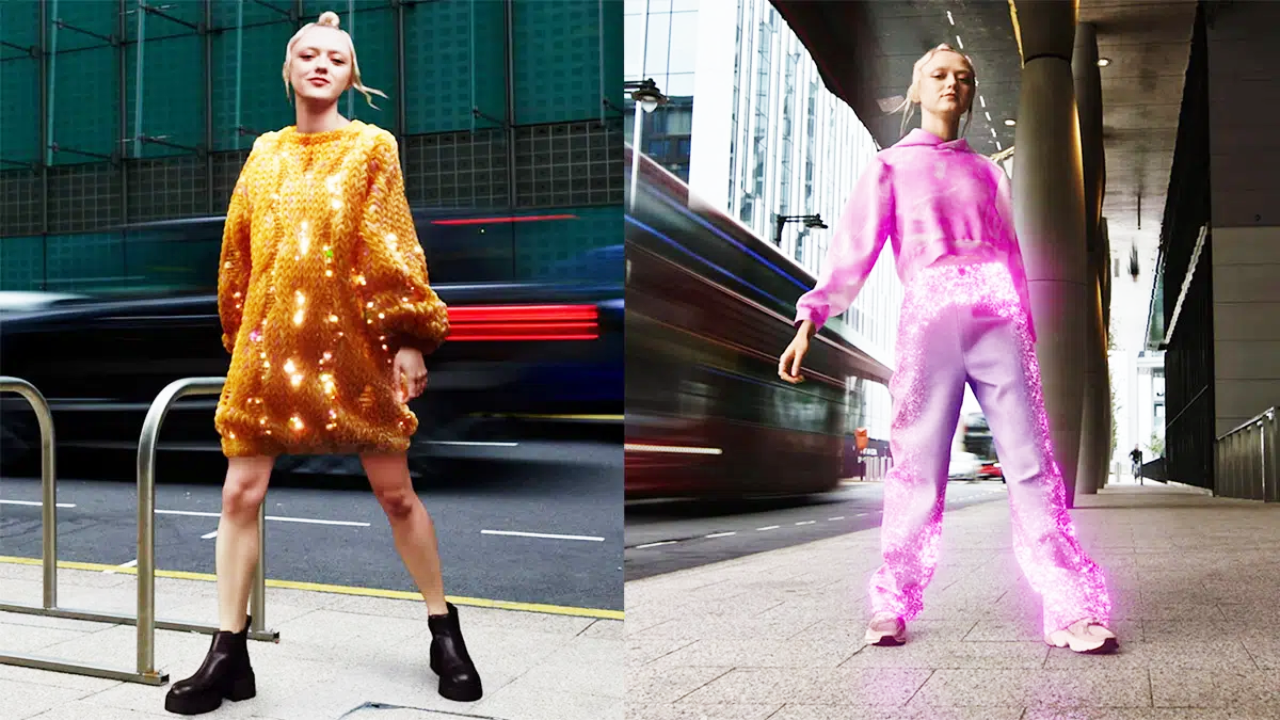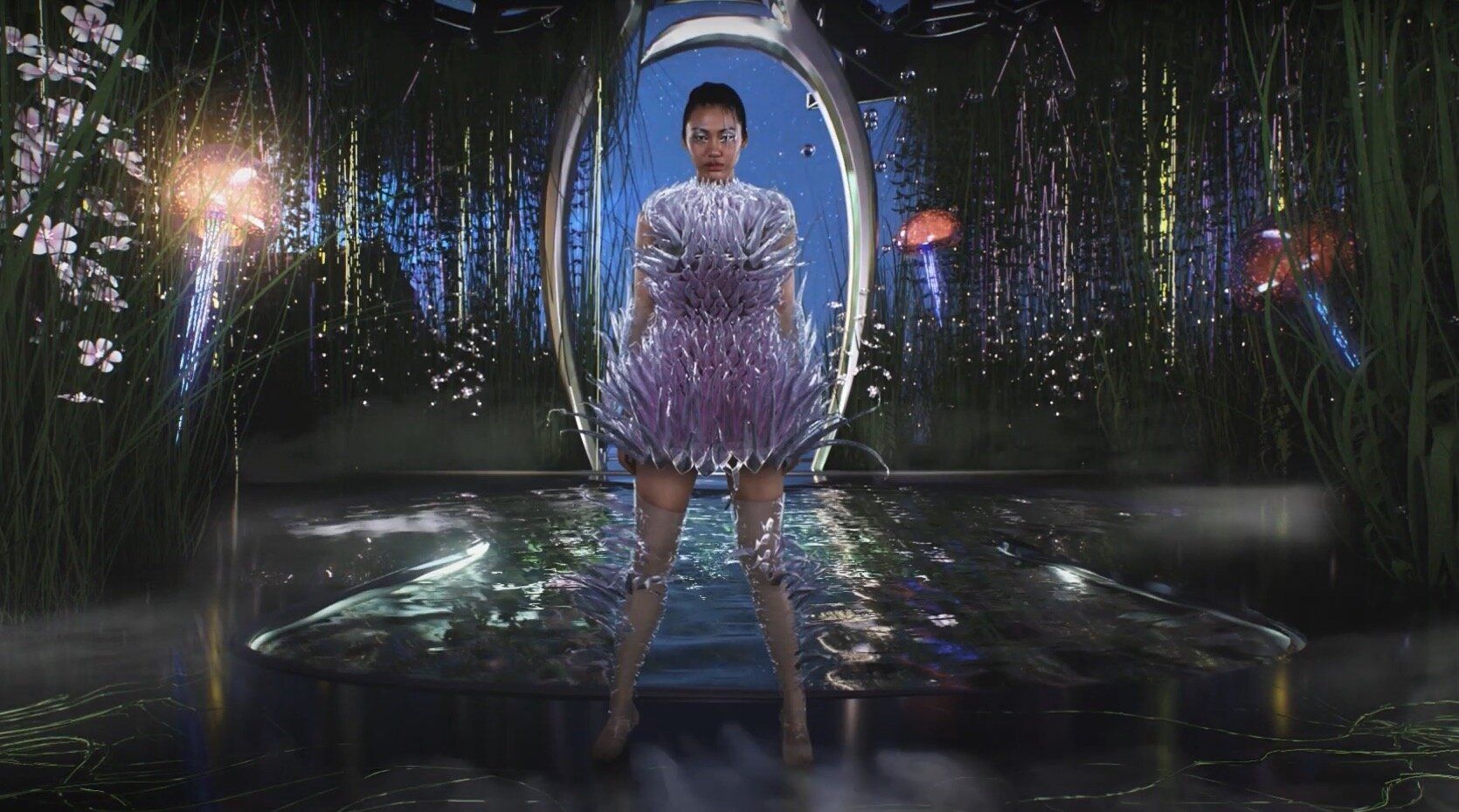

Digital fashion represents an innovative frontier in the textile and technology industries, merging the traditional allure of fashion with the limitless possibilities of virtual spaces. While fashion has been a cornerstone of human culture for centuries, the digital realm opens doors to new, unprecedented ways of creation, presentation, and consumption.
The Rise of Digital Fashion
Digital fashion fundamentally draws on virtual and augmented reality technologies to conceive and present apparel, and unlike conventional garments, these pieces exist exclusively within the digital sphere. Through these tools, designers are able to craft clothing that transcends physical limitations, unlocking boundless possibilities in texture, color, and shape. This expressive medium not only broadens artistic freedom but also supports global sustainability initiatives by cutting down the waste typically generated by the fast fashion industry.
Technological innovations have driven this digital shift, with tools like CLO 3D, Marvelous Designer, and more recently metaverse-based applications allowing designers to craft and adjust 3D garments with remarkable accuracy. As these technologies become more accessible, fashion becomes increasingly democratized, giving creators who lack traditional industry resources the opportunity to experiment and produce polished, professional-grade designs.
Virtual Fashion Platforms and Influencers
Several platforms have taken center stage in the digital fashion landscape, with brands like The Fabricant, DressX, and Tribute establishing new standards. These companies are reshaping how consumers claim and engage with fashion items by offering digital garments that can be bought, showcased in virtual spaces such as games or social media, and even collected as non-fungible tokens (NFTs).
Moreover, digital influencers are at the forefront of pushing digital fashion into the mainstream. Virtual influencers like Lil Miquela and Shudu have amassed large followings on social media, showcasing impressive wardrobes filled with both real-world and digital creations. This blend emphasizes the readiness of consumers to accept and even embrace the digital form of fashion.
Examples of Digital Fashion Initiatives
Perhaps one of the most illustrative examples is the collaboration between luxury fashion house Balenciaga and the video game Fortnite. In this partnership, players could acquire digital skins that bore the distinctive style and branding of Balenciaga, allowing fans to engage with the brand within an interactive digital space. This innovative approach highlights a shift in consumer behavior, where digital items can hold similar desirability to physical products.
In addition, the virtual fashion line developed by RTFKT Studios, now under Nike’s ownership, reflects a significant push toward weaving digital goods into established retail ecosystems. The initial series, released as NFTs, generated millions in revenue, underscoring the strong commercial promise of digital fashion.
The Implications for Sustainability
Digital fashion’s sustainability influence stands among its most vital dimensions, revealing how this emerging field can counter the fashion industry’s traditionally heavy resource consumption; by removing the dependence on physical materials, it markedly cuts waste and lowers carbon emissions, aligning this forward-looking approach with the worldwide move toward environmental responsibility and encouraging both creators and fans of fashion to reconsider the effects of their choices.
The Emerging Era of Digital Fashion
As we move forward, it is poised to continue its integration into daily life, blurring the lines between physical and digital experiences. With ongoing advancements in technology and growing acceptance amongst consumers, digital fashion promises a future where creativity knows no boundaries. It presents an exciting arena for designers, brands, and consumers to interact in ways previously unimaginable, opening up a dialogue about what fashion can and should become in a progressively digital world.
Seen through this transformative lens, digital fashion becomes more than a tech‑driven novelty; it stands as a vivid expression of human creativity and resilience in a continually shifting landscape.