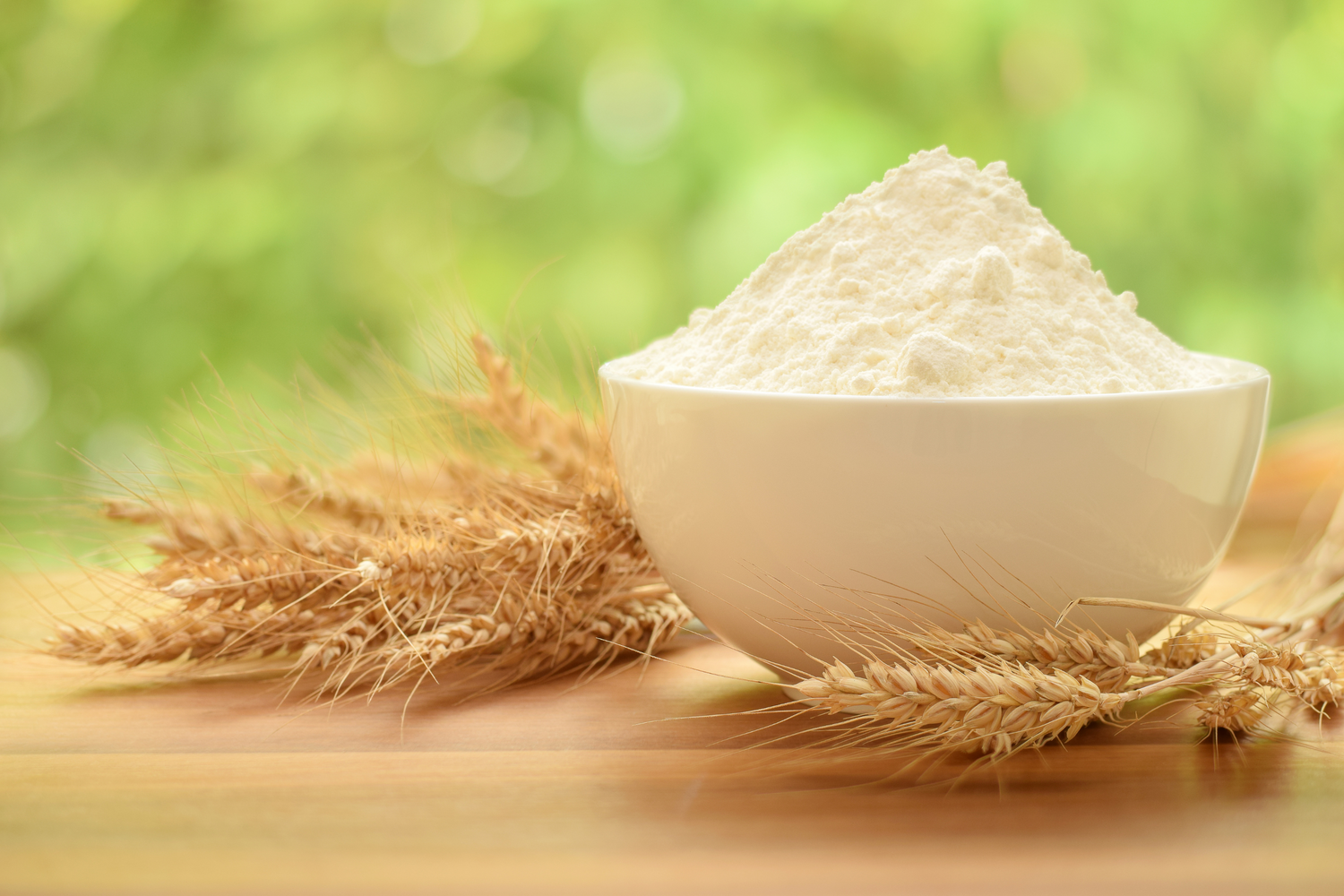

Gluten consists of a blend of storage proteins, specifically prolamins and glutelins, which occur naturally in wheat and similar cereals like barley and rye. This protein combination imparts elasticity to dough and a characteristic chewiness to bread, connecting scientific principles with culinary practices. The absence of gluten would likely result in many beloved baked items losing their typical structure and appeal.
Gluten’s Makeup
Gluten primarily consists of two principal protein categories: glutenin and gliadin. Glutenin is responsible for the dough’s elasticity, a crucial factor for retaining gases during the fermentation process, which enables bread to rise correctly. Conversely, gliadin offers extensibility, facilitating the dough’s ability to stretch and expand. The delicate equilibrium and interplay between these proteins are what give gluten its distinctive characteristics. This synergistic relationship is what converts basic components into a wide array of textures and shapes.
Where is Gluten Found?
Gluten isn’t just in bread and pasta; it’s a common ingredient in a wide array of food items. You’ll encounter it in breakfast cereals, pastries, and numerous pre-packaged meals. What’s more, gluten’s utility isn’t limited to the culinary world. It shows up in surprising non-food items such as makeup, hair care products, and pharmaceuticals, frequently serving as a binding agent or an inert filler.
For those active in international culinary arenas, it’s crucial to understand that gluten can also appear under different forms and names. Ingredients like “hydrolyzed wheat protein” or “malt” might not explicitly mention gluten but are derivatives of gluten-containing grains.
Gluten’s Function in Gastronomic Applications
In the culinary art of baking, gluten is highly regarded as the fundamental element for crafting dough. Its distinct composition enables bakers to work the dough, fostering robust gluten formations that capture carbon dioxide throughout the fermentation process. This action yields bread that is both airy and light. For pastries and cakes, a meticulously managed equilibrium of gluten formation is crucial to attain the intended consistency.
Chefs and restaurant owners need to be skilled in handling gluten’s characteristics to produce exceptional dishes. Knowing precisely when to encourage gluten development and when to prevent its formation is a refined culinary talent, crucial for preparing a wide range of items, from delicate baked goods to hearty loaves.
Health Consequences and Nutritional Aspects
While gluten is beneficial for culinary purposes, it can be problematic for certain individuals. Those with celiac disease, an autoimmune disorder, experience a severe reaction to gluten that damages the small intestine. Moreover, some people have non-celiac gluten sensitivity, experiencing symptoms without the intestinal damage indicative of celiac disease.
Gluten sensitivity has spurred a significant increase in the array of gluten-free items, serving both health requirements and personal preferences. The worldwide market for gluten-free edibles has seen substantial growth, with forecasts indicating it will hit $7.6 billion by 2027, as per market analyses. This trend has prompted chefs and gastronomic professionals to devise novel gluten-free options that cater to both dietary limitations and palatability.
Discovering Gluten-Free Options
Innovations in food science have heralded new gluten-free alternatives. Flours from rice, almonds, and chickpeas are popular substitutes that allow for culinary diversity without compromising health. Ancient grains such as quinoa and teff are also praised for being gluten-free, rich in nutrients, and versatile in recipes.
Those embarking on a gluten-free journey need not sacrifice culinary delight. Dedicated restaurants and bakeries now explore these alternatives to honor both tradition and innovation, delivering products that bridge gaps between health needs and gastronomic satisfaction.
Reflecting on gluten’s dual role as both a celebrated ingredient and a dietary challenge invites a richer understanding of its place in both science and society. This intricate protein, fundamental in bread-making and culinary craftsmanship, also fuels a dynamic dialogue about dietary health and innovation.