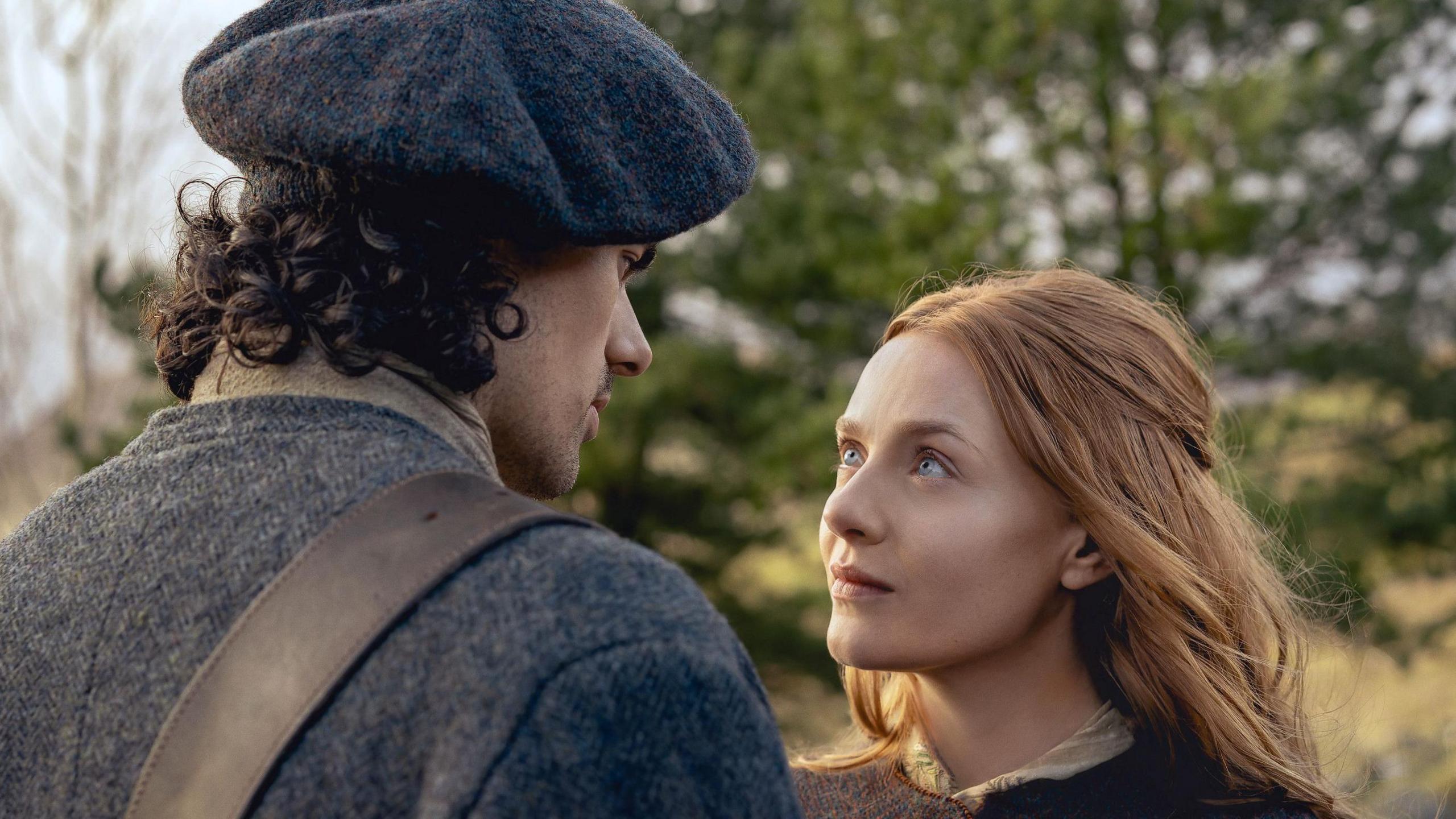

The cultural influence of the Outlander TV series and book collection keeps altering travel habits long after its initial release. Stemmed from Diana Gabaldon’s popular novels, the period drama has motivated numerous followers to explore filming sites throughout Scotland and other places, resulting in an unforeseen economic benefit for the locations showcased in the show.
Scotland has experienced the most dramatic tourism surge directly tied to the series. Visitor numbers at iconic sites like Doune Castle (standing in for Castle Leoch) and the Palace of Holyroodhouse have increased exponentially since the show’s premiere. Local tour operators report sustained demand for Outlander-themed experiences, from guided visits to authentic Jacobite history tours. The Scottish tourism board credits the series with introducing the country’s landscapes and heritage to new international audiences.
Beyond Scotland, the Outlander effect has rippled across other European locations used in production. Fans now regularly include stops in Czech Republic filming sites and French châteaux featured in later seasons. This expanded interest has helped smaller communities develop sustainable tourism economies built around their Outlander connections. Many local businesses have adapted by offering period-inspired accommodations, dining experiences, and cultural programming tied to the show’s 18th-century setting.
Industry experts point out various reasons for Outlander’s ongoing attractiveness for travelers. The show’s stunning visual presentation makes the surroundings feel like essential parts of the narrative, forming strong imagery connections for the audience. Rich historical content ignites curiosity about real-life events and places. Most importantly, the emotional bond that admirers form with the characters leads to a wish to experience their journey.
Tour operators have developed specialized itineraries catering to different levels of fan engagement. Some focus exclusively on visiting filming locations, while others incorporate broader historical context about the Jacobite risings and 18th-century life. Luxury versions include stays in castles and private access to normally restricted areas. Even fans unable to travel internationally can now participate through virtual tours and online experiences.
The financial influence stretches further than just direct tourist expenditure. Numerous travelers encouraged by the show cultivate profound interests in Scottish heritage, the Gaelic tongue, customary arts, and exploring history. Local craftsmen note a rise in requests for historically accurate garments, accessories, and household products resembling those featured on television. Educational programs focused on Scottish history have experienced a rise in student numbers at universities close to where the filming takes place.
Las organizaciones dedicadas al marketing de destinos han obtenido lecciones significativas del éxito de Outlander en cuanto a cómo utilizar los medios populares. Hoy en día, muchas buscan activamente producciones de cine y televisión, reconociendo su capacidad para impulsar el turismo a largo plazo. Escocia, en particular, ha mejorado su estrategia de turismo cinematográfico, facilitando que los visitantes localicen los lugares de filmación mientras descubren experiencias locales auténticas más allá de lo visto en pantalla.
As additional seasons are produced, the impact of Outlander remains strong. The series exemplifies how compelling narratives can foster lasting bonds between viewers and places, transcending the initial success of the show. For those in the tourism industry, it acts as an example of leveraging cultural events while honoring the essence of the original content and the sites involved.
The phenomenon also highlights changing traveler priorities, with many fans seeking immersive, emotionally resonant experiences rather than traditional sightseeing. This shift has prompted the tourism industry to develop more narrative-driven offerings that appeal to visitors’ passions and interests. Outlander’s success proves that when entertainment and travel intersect effectively, the benefits can extend for years across entire regions.
In the future, the places highlighted in the series persist in discovering creative methods to connect with viewers. Unique events, historical recreations, and cultural interactions all capitalize on the initial intrigue ignited by the program. For numerous visitors, their experience inspired by Outlander serves as a door to a greater understanding of Scotland’s heritage and traditions, fostering lasting connections well beyond the final episode’s broadcast.