
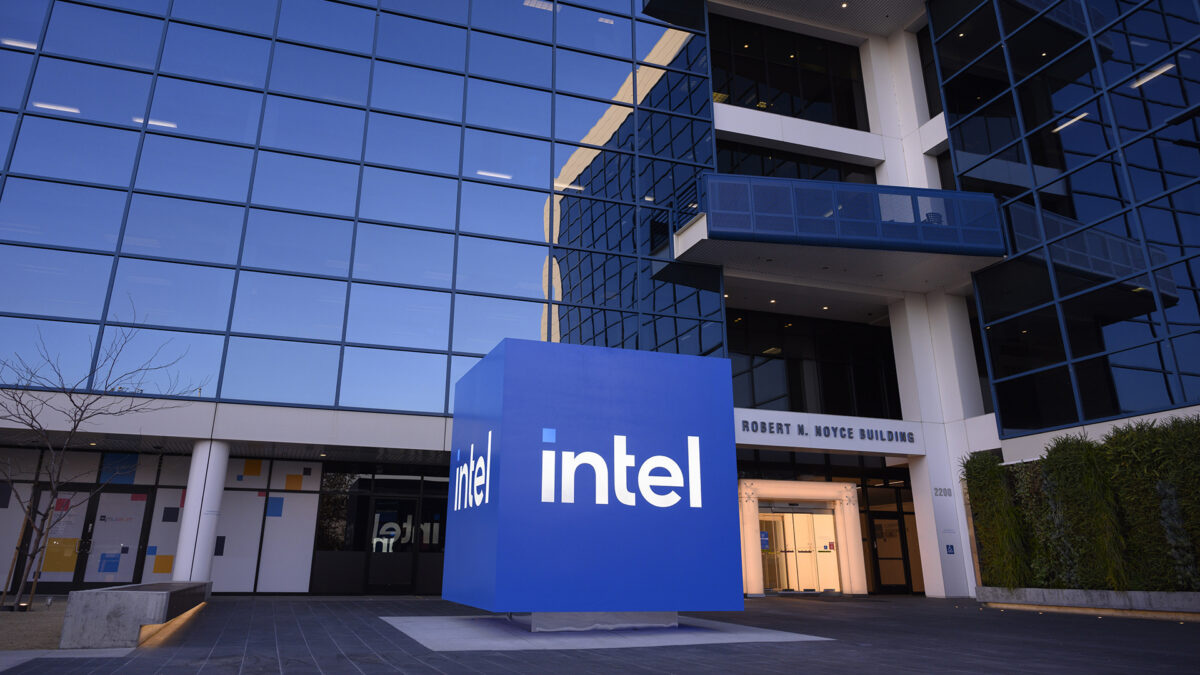

Intel Capital, the global investment arm of Intel Corporation, has played a defining role in shaping technology-driven startup ecosystems for more than three decades. Established in 1991, it has invested billions of dollars in thousands of companies across over 60 countries. Its mission extends beyond financial return: Intel Capital seeks to accelerate innovation, expand market access, and build resilient technology ecosystems by combining venture capital with deep technical expertise and strategic partnerships.
Unlike traditional venture capital firms that focus primarily on financial outcomes, Intel Capital integrates strategic alignment with Intel’s broader technology roadmap. This dual approach allows startups to benefit not only from funding, but also from technical validation, engineering collaboration, global exposure, and access to enterprise customers.
Strategically Driven Venture Investment
Intel Capital generally places investments in companies ranging from early to growth stages that operate in fields connected to Intel’s fundamental strengths. These areas include:
- Advances in artificial intelligence and machine learning
- Cloud technologies and edge-based infrastructures
- Digital security practices
- Innovations in semiconductor technology
- Self-governing systems and modern robotics
- Corporate software solutions and data-oriented platforms
Intel Capital focuses on industries where computing performance, data handling, and seamless connectivity are essential, allowing portfolio companies to draw on Intel’s robust hardware and software ecosystem. This strategic alignment strengthens prospects for sustained partnerships and broader commercial expansion.
For example, in the artificial intelligence domain, Intel Capital has supported companies developing optimization software for data centers. Through joint engineering efforts, these startups have fine-tuned their solutions to run efficiently on Intel processors, improving performance while lowering energy consumption. This creates a mutually reinforcing cycle: startups gain optimized infrastructure, and Intel strengthens demand for its technologies.
More Than Funding: Advancing Technical and Commercial Capabilities
A hallmark of Intel Capital’s approach lies in its direct involvement. Young companies frequently benefit from access to:
- Engineering collaboration: Direct interaction with Intel’s technical teams for performance tuning, hardware integration, and product validation.
- Market access: Introductions to Intel’s global enterprise customer base and channel partners.
- Brand credibility: Association with a globally recognized technology leader.
- Operational guidance: Support in governance, scaling, and strategic planning.
Such backing lowers technical uncertainties and speeds products’ arrival on the market. In fields like semiconductors or advanced computing, where projects demand lengthy and capital-intensive development phases, this collaborative model may prove crucial.
A notable case is the investment in cybersecurity firms that develop hardware-level security solutions. By aligning with Intel’s processor-level security features, these companies can deliver differentiated offerings. The collaboration often results in joint demonstrations, co-marketing initiatives, and faster enterprise adoption.
Bolstering Regional Startup Ecosystems
Intel Capital’s global footprint has enabled it to strengthen regional innovation hubs. Rather than concentrating solely on Silicon Valley, the firm has actively invested in startups across Europe, Israel, India, Southeast Asia, and Latin America.
In Israel, Intel Capital has been instrumental in supporting cybersecurity and semiconductor startups. The region’s strong engineering talent pool aligns with Intel’s strategic priorities, and investments there have contributed to a robust local ecosystem that attracts further venture funding.
In India, Intel Capital has backed companies in cloud services, digital payments, and artificial intelligence. These investments have not only supported high-growth startups but also fostered collaboration with universities and research institutions, enhancing the broader innovation environment.
By anchoring investments in local ecosystems and connecting them to global markets, Intel Capital helps startups scale internationally while strengthening regional technology clusters.
Advancing Breakthroughs in Artificial Intelligence and Edge Computing
Artificial intelligence and edge computing stand among the most dynamic segments within Intel Capital’s portfolio, and as organizations extend AI workloads throughout distributed environments, the demand for tightly optimized hardware-software coordination has intensified.
Intel Capital has backed startups developing AI acceleration tools, edge-focused analytics platforms, and advanced computer vision technologies, and through targeted collaborations these firms are able to validate and roll out their solutions on Intel architecture, maintaining strong compatibility and achieving refined performance.
For example, startups developing real-time analytics platforms for manufacturing environments have worked with Intel to optimize processing on edge devices. This collaboration enables low-latency decision-making, improved predictive maintenance, and reduced operational costs for industrial clients.
Such partnerships illustrate how venture investment can accelerate adoption of emerging technologies while strengthening the broader ecosystem of hardware vendors, software developers, and end users.
Fostering Diversity and Inclusive Innovation
Intel Capital has also emphasized inclusive investment practices. Through dedicated initiatives, it has committed capital to startups led by women and underrepresented founders. By expanding access to venture funding and mentorship, the firm contributes to a more diverse innovation landscape.
Diverse founding teams often bring unique market insights and product perspectives. Supporting such teams not only addresses funding disparities but also enhances ecosystem resilience by broadening the range of ideas and solutions entering the market.
Creating Long-Term Value Through Exit Pathways
Intel Capital’s history features numerous successful exits achieved through acquisitions and public offerings, and these outcomes deliver returns to investors while channeling capital and talent back into the ecosystem.
When portfolio companies reach strong outcomes, founders and early team members frequently go on to become angel investors or start fresh ventures, and this ongoing cycle bolsters local startup ecosystems while nurturing a culture of reinvestment and mentorship.
In addition, certain portfolio companies may ultimately become strategic collaborators or potential acquisition candidates for Intel, which strengthens vertical integration and broadens Intel’s overall technology portfolio.
Balancing Strategic Alignment and Financial Discipline
Operating as a corporate venture arm requires balancing strategic interests with financial performance. Intel Capital maintains independent investment decision-making processes while aligning broadly with Intel’s long-term technology roadmap.
This equilibrium makes investments commercially sound while continuing to provide strategic perspective, and portfolio companies draw on Intel’s broad scale and expertise without being constrained by short-term product imperatives
The result is a hybrid model: part venture capital, part strategic partnership platform. This structure has enabled Intel Capital to remain active across multiple technology cycles, from the rise of internet infrastructure to the current era of artificial intelligence and distributed computing.
Lasting Influence Across Worldwide Innovation Networks
Intel Capital’s method shows how venture investment can move beyond financial support to serve as a driving force for ecosystem growth, and by combining funding with engineering partnerships, market opportunities, and global networks, the firm bolsters the infrastructure that helps startups prosper.
Its investments enable emerging companies to turn groundbreaking concepts into scalable solutions, while those firms, in return, broaden technological capabilities across sectors, regions, and markets. The dynamic relationship between capital, collaboration, and innovation generates a self-reinforcing network effect, where startups, corporate partners, and regional ecosystems advance together and collectively shape the future of global technology.


