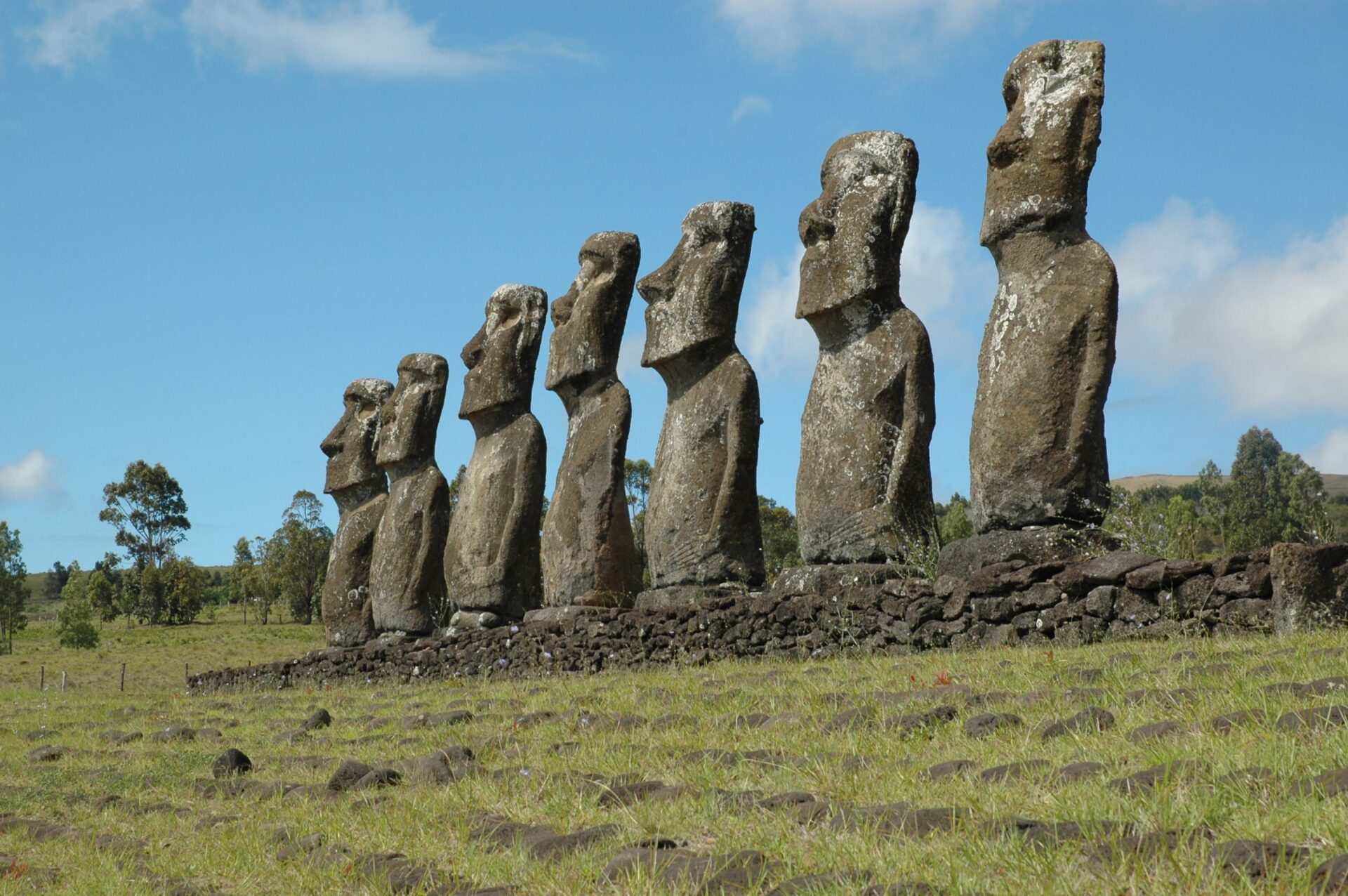

For many years, the moai sculptures on Easter Island have remained as quiet guardians, observing the flow of time and the legacy of the Rapa Nui community. These giant stone creations, hewn from the 13th to the 16th centuries, represent outstanding achievements in craftsmanship as well as emblems of cultural identity, spiritual conviction, and human creativity. Currently, the future of these legendary sculptures is becoming more precarious due to escalating dangers from environmental transformations and human actions.
Positioned more than 2,000 miles away from the coast of Chile, Easter Island—referred to as Rapa Nui by its native people—has fascinated archaeologists, historians, and tourists for many years. The moai, sculpted from volcanic stone and each weighing multiple tons, are believed to depict ancestral figures who offered spiritual guardianship and direction to the island’s initial societies. With their unique long faces and deeply recessed eyes, these monuments have turned into an international emblem of enigma and perseverance.
Yet this resilience is now being tested like never before. Rising sea levels, coastal erosion, extreme weather events, and the gradual degradation of the stone from exposure to wind and salt are all placing the moai at risk. Climate change, in particular, is accelerating the deterioration of these ancient figures, with some statues already showing visible signs of damage. Torrential rains, increasing humidity, and frequent storms have led to cracks and crumbling in many of the sculptures, threatening their structural integrity.
The island’s remote location, once a natural barrier against human interference, has also become less effective in the face of growing tourism and development. Increased foot traffic, pollution, and the introduction of non-native plant species have exacerbated the vulnerability of both the statues and the surrounding archaeological sites. With more visitors arriving each year to witness the moai firsthand, the balance between conservation and tourism has become increasingly delicate.
Local government, preservation specialists, and representatives from the Rapa Nui community are collaborating to tackle these issues. Conservation initiatives comprise monitoring environmental factors, strengthening coastal protections, and utilizing innovative technologies to evaluate the statues’ condition. In certain instances, digital mapping and 3D scanning have been applied to produce comprehensive models of the moai, ensuring that if physical harm takes place, documentation of their original form will be preserved.
Nevertheless, protecting the moai encompasses more than just technical obstacles—it’s also a matter of cultural and ethical significance. To the Rapa Nui, these statues are far more than historical items; they are revered symbols of their forebears and a crucial aspect of their ongoing cultural legacy. Thus, any choices regarding preservation or movement must include thorough discussions with the community to guarantee their perspectives and customs are honored.
The scenario on Easter Island mirrors a worldwide trend in which historic cultural sites are progressively at risk due to the consequences of climate change. From the increasing water levels in Venice to the whitening of Australia’s Great Barrier Reef, the shared legacy of humanity is being altered by environmental influences that are not easily controlled. The moai sculptures, positioned on delicate seaside cliffs, have become symbols of the effort to preserve the past while confronting an unpredictable environmental future.
In addition to these environmental stresses, the island confronts socio-political issues. Recently, the Rapa Nui people have pushed for more self-governance and authority over their traditional territories, such as the stewardship of ancient sites. Disputes have emerged concerning land possession, preservation finances, and the involvement of outside entities in determining actions. These intricate dynamics underscore the importance of thoughtful, inclusive strategies in managing heritage, acknowledging both scientific insights and native rights.
Although there are obstacles, optimism remains for the survival of the moai. Collaborations with global entities, backing from authorities, and community-driven efforts have united to highlight and allocate resources for safeguarding Easter Island’s legacy. Initiatives designed to inform travelers about the cultural importance of the moai and promote sustainable tourism behaviors have also gathered strength, stressing the need for conservation rather than exploitation.
One proposed solution is to implement stricter visitor guidelines and limit access to the most vulnerable sites. Some experts suggest that virtual reality and digital exhibitions could offer alternative ways for people to experience the majesty of the moai without contributing to their physical degradation. Meanwhile, scientific research continues to explore new materials and techniques that could help slow the erosion of the stone and safeguard the statues for future generations.
The story of the moai is not merely one of ancient stone figures but also of human resilience, adaptation, and respect for nature. The people who carved and transported these massive statues centuries ago did so with limited resources, deep spiritual conviction, and profound knowledge of their environment. Today’s challenge is to honor that legacy by ensuring that the moai remain standing—not just as monuments to the past, but as living symbols of cultural endurance in a rapidly changing world.
As efforts continue to protect these iconic figures, the moai of Easter Island remind us of the delicate balance between human history and the forces of nature. The question remains whether humanity can rise to meet this challenge, preserving one of the world’s most cherished cultural landscapes before it is lost to time, tide, and neglect.