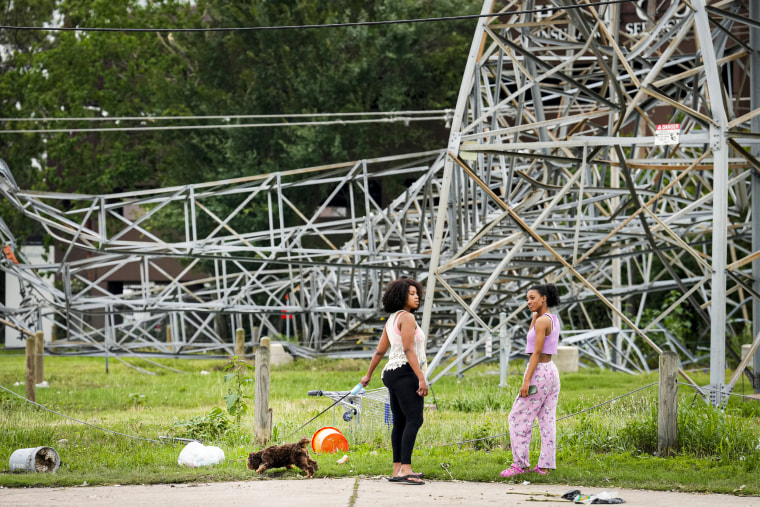

People’s lives are in danger as intense storms in Texas bring fresh focus to suggested declines in the country’s weather observation resources. The harmful effects of the latest weather incidents have brought back worries about how financial cutbacks to weather services might influence community safety, readiness for disasters, and the capacity to respond efficiently to severe weather conditions.
Texas has been battered by a series of violent storms that have caused widespread damage, displaced families, and led to tragic loss of life. From powerful tornadoes to severe flooding, these events underscore the increasing frequency and intensity of extreme weather patterns linked to climate change. As communities struggle to recover, questions are being raised about the adequacy of the nation’s weather forecasting systems and the potential consequences of reduced funding.
In the heart of this discussion lies the National Oceanic and Atmospheric Administration (NOAA), the federal agency in charge of predicting weather, observing climate, and studying the oceans. NOAA is crucial in distributing alerts, monitoring storm patterns, and supplying up-to-date information that enables emergency services and local officials to make well-informed choices. The suggested reductions in funding that could affect NOAA’s functions are under increased examination due to the recent calamities.
Meteorologists, emergency management professionals, and public safety advocates have voiced concern that slashing resources for weather monitoring could severely hinder the nation’s ability to provide timely and accurate forecasts. Lives, they argue, depend on early warnings that give individuals and communities the chance to prepare or evacuate in the face of imminent danger. Reductions in staffing, equipment upgrades, and research funding could compromise the accuracy of forecasts and the speed of emergency alerts.
The recent storms in Texas highlight how critical accurate weather information is for saving lives and minimizing property damage. In many cases, early warnings have provided crucial time for residents to seek shelter or move to safer ground. Without robust forecasting systems, the risk of casualties and destruction would likely be much higher. Emergency preparedness, from local planning to federal coordination, relies heavily on the scientific data and predictions provided by agencies like NOAA.
The discussion regarding the financing of weather agencies also mirrors wider debates about the significance of science in shaping public policy. Opponents of funding cuts claim that diminishing meteorological services weakens a country’s ability to cope with climate-related issues. As severe weather incidents grow more common, funding in prediction technology, climate simulations, and emergency response frameworks is viewed as crucial for national security and public safety.
Supporters of proposed cuts have suggested that government spending should be streamlined and that private sector innovations could fill some of the gaps left by reduced public investment. However, many experts caution that no private entity currently has the capacity or mandate to provide the comprehensive, nationwide weather monitoring and forecasting that NOAA delivers. Public agencies remain the backbone of disaster preparedness, particularly in underserved and vulnerable communities.
The consequences of funding choices extend beyond immediate meteorological phenomena. Ongoing climate investigations, such as the examination of hurricanes, droughts, and increasing sea levels, rely on steady investment in data gathering and analysis. Reducing these initiatives could restrict the country’s capacity to foresee and adjust to prospective climate challenges.
The human toll of the Texas storms serves as a stark reminder of what is at stake. Families have lost loved ones, homes have been destroyed, and entire communities face the long road to recovery. The importance of timely weather warnings in mitigating such tragedies cannot be overstated. As climate change continues to drive more extreme weather, the need for well-funded, scientifically robust meteorological services is more pressing than ever.
In addition to government action, public education about weather preparedness plays a crucial role. Ensuring that individuals understand how to respond to alerts, where to seek shelter, and how to stay informed during emergencies enhances the effectiveness of forecasting systems. Community resilience depends not only on technological infrastructure but also on awareness and preparedness at the local level.
Looking ahead, policymakers are faced with difficult choices about resource allocation in a time of competing priorities. However, the increasing severity of natural disasters suggests that investing in weather forecasting and disaster readiness yields significant returns in terms of lives saved, economic stability, and community well-being. The cost of inaction—or underinvestment—can be measured not only in financial terms but also in human suffering and preventable loss.
La situación actual en Texas resalta la interrelación entre el cambio ambiental, la seguridad pública y las decisiones gubernamentales. A medida que los eventos meteorológicos extremos se vuelven más habituales, la capacidad de las comunidades de todo el país para recuperarse dependerá cada vez más de la solidez y la fiabilidad de los sistemas de pronóstico del tiempo y respuesta ante desastres. Garantizar que estos sistemas cuenten con el financiamiento y el apoyo necesarios no solo es una cuestión de política, sino una cuestión de vida o muerte.
The recent deadly storms in Texas have brought renewed attention to the crucial role of weather monitoring agencies and the potential dangers of reducing their capabilities. As the nation grapples with the realities of climate change, maintaining robust, well-funded forecasting services is essential for safeguarding communities and ensuring that timely, accurate information remains available when it is needed most.