
An extraordinary group of older adults is challenging conventional understanding of cognitive decline, maintaining mental sharpness comparable to people decades younger. These individuals, known as SuperAgers, demonstrate that memory loss and reduced mental capacity aren’t inevitable consequences of aging.
Northwestern University’s SuperAging Research Program has conducted research on these outstanding elderly individuals for more than twenty years, uncovering intriguing insights into brain health during older age. The program characterizes SuperAgers as people over 80 whose memory test performance matches that of healthy individuals in their 50s or 60s. Their findings indicate that keeping cognitive capacities youthful involves both biological benefits and lifestyle preferences.
Sel Yackley, an individual aged 85 involved in the study, perfectly represents the SuperAger characteristics. Her busy routine involves creating jewelry, performing in a choir, knitting to support charitable causes, joining a book club, frequenting the gym, and taking part in community activities – all while keeping a healthy sleep routine. “Look after your well-being, nourish yourself properly, and stay social,” Yackley suggests, encapsulating her method for aging gracefully.
The Northwestern research team has identified several common traits among SuperAgers through extensive psychological testing, brain imaging, and in some cases, postmortem brain examinations. Their findings challenge assumptions about Alzheimer’s disease and cognitive aging.
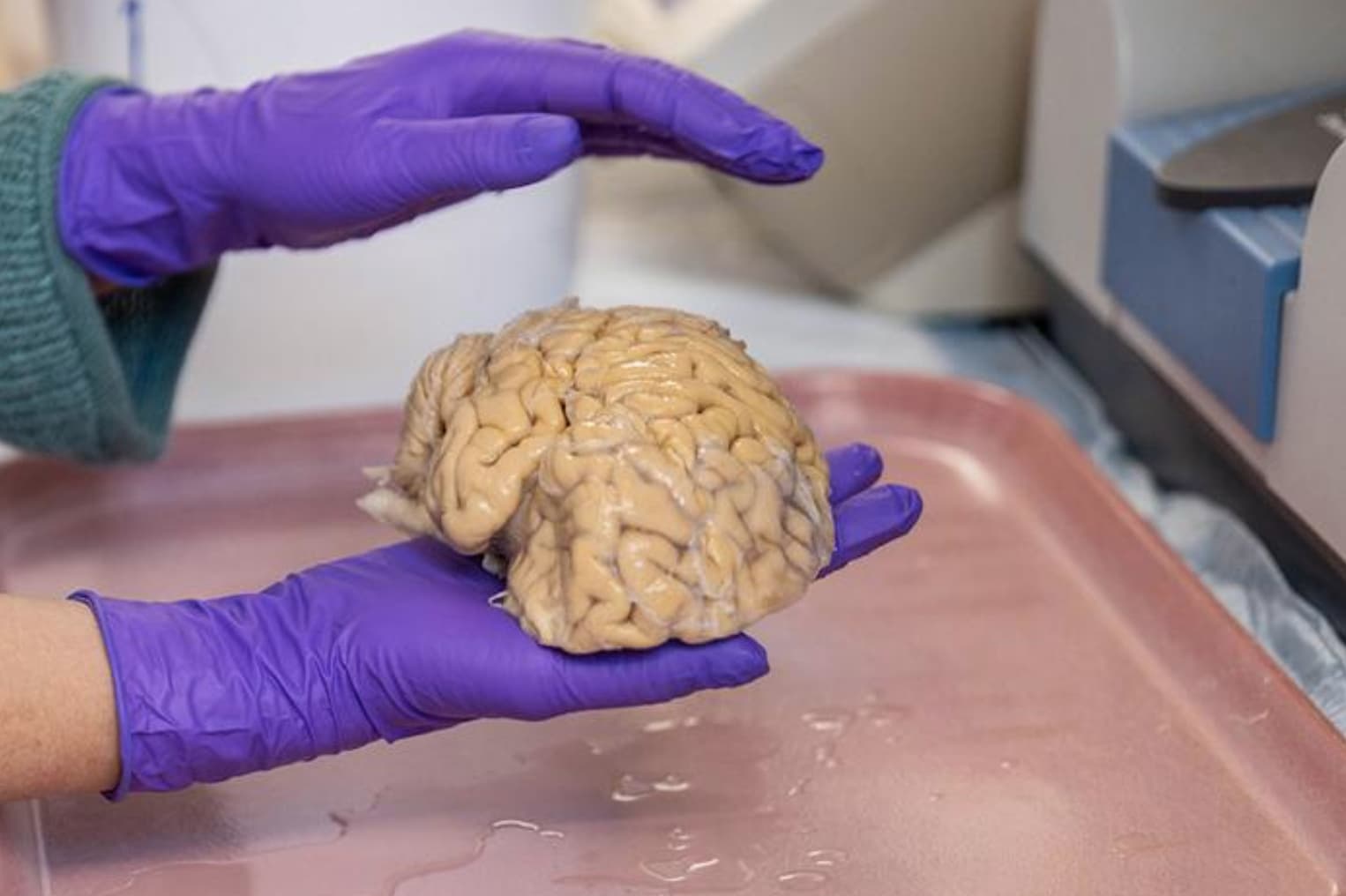
Neuro examinations of SuperAger brains after they have died showed that there were considerably fewer tau protein tangles, a significant feature of Alzheimer’s, in memory areas compared to average older individuals. Interestingly, the buildup of amyloid plaques, another marker of Alzheimer’s, seemed to be alike in both groups. This finding prompts important inquiries about existing Alzheimer’s therapies that mainly focus on amyloid plaques.
SuperAgers exhibit unique structural differences in their brains. The neurons in their entorhinal cortex, which are essential for forming memories, are larger and more resilient compared to those of others their age. In addition, they have a greater number of von Economo neurons, which are specialized cells linked to social understanding and emotional intelligence.
While genetics clearly play a role – SuperAgers typically lack high-risk Alzheimer’s genes like APOE4 – researchers emphasize that DNA isn’t destiny. The study participants display diverse lifestyles, with some following exemplary health regimens while others indulge in various vices. What unites them appears to be an engaged, purposeful approach to life rather than any single behavior.
Social connection emerges as a recurring theme among SuperAgers, though the nature of these bonds varies widely. Some maintain strong family ties, others connect through artistic communities, and many find meaning in civic participation or spiritual practices. “You don’t see many detached SuperAgers,” notes Dr. Tamar Gefen, a Northwestern psychiatry professor involved in the research.
The scarcity of SuperAgers renders them especially important for scientific research. In the initial phase of study enrollment, merely 10% of those who applied satisfied the rigorous cognitive standards. Presently, the active research group consists of 101 participants aged 81 to 111, whose continuous involvement aids researchers in discovering factors that protect against cognitive deterioration due to aging.
The remarkable seniors are making a difference in science, not only in their lifetime but also afterwards. Numerous individuals, including Yackley, have committed to gifting their brains to the Northwestern Brain Bank. “I prefer to not be buried,” Yackley remarks, clarifying her choice to offer her body for medical research and educational purposes.
The SuperAger phenomenon provides encouragement and direction for individuals aspiring to preserve cognitive sharpness throughout their lives. Although genetic benefits cannot be duplicated, the noted trends of social involvement, intellectual engagement, and physical exercise offer practical methods to enhance brain health at any stage of life.
As investigations advance, researchers aim to discover particular biological defense mechanisms that may result in new strategies for the prevention or treatment of dementia. The SuperAger study highlights that growing older doesn’t automatically imply a deterioration in cognitive abilities and that keeping a keen, active mind as we age is an attainable objective for numerous individuals.
For now, Yackley continues her active life, working on a personal scrapbook project between her many activities. Her example and those of her fellow SuperAgers provide living proof that the golden years can truly shine with mental vitality and purpose.