
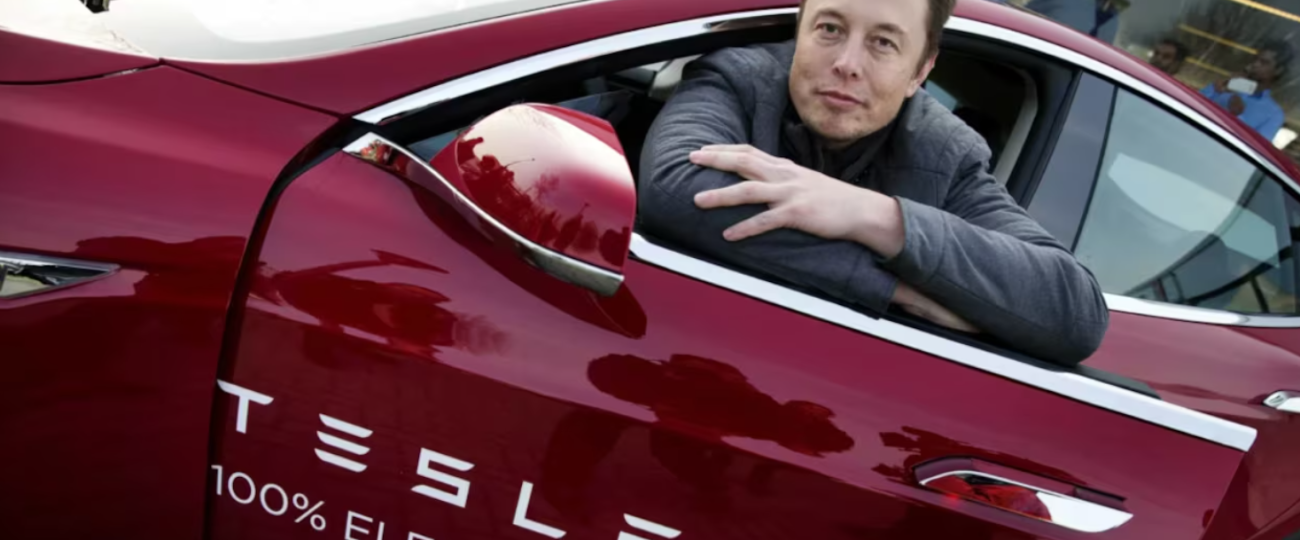

Recent statements from Indian government officials indicate that Tesla has no intention of establishing car manufacturing operations in India. This revelation has sparked discussions about the electric vehicle market in the country and the various challenges that foreign automakers face when entering this competitive landscape.
The automotive sector in India has been witnessing swift expansion, driven by a rising interest in electric vehicles (EVs) as people grow more eco-friendly. The government has been encouraging the uptake of EVs through incentives and policy strategies designed to lower carbon pollution and enhance air purity. Consequently, numerous global firms have expressed interest in the Indian market, aiming to take advantage of this move towards sustainable transit.
However, Tesla’s decision not to pursue local manufacturing in India raises questions about the feasibility of operating in the region. Factors such as regulatory hurdles, high import tariffs, and the need for a robust supply chain can complicate the entry of foreign players. Tesla, known for its innovative approach and premium offerings, may find the local conditions challenging for establishing a profitable manufacturing base.
The Indian authorities have shown significant interest in drawing in Tesla, acknowledging the potential advantages of hosting a leading company in the electric vehicle domain. Establishing production locally might result in new employment opportunities, technological progress, and heightened competition, which would, in turn, advantage consumers. Nevertheless, Tesla’s hesitance underscores the intricate challenges present in engaging with the Indian marketplace.
Industry experts indicate that Tesla might prioritize widening its global presence instead of establishing manufacturing facilities in India currently. The company has been focusing on enhancing its production capacity in other significant areas, like the United States and Europe. This strategic choice might be driven by the necessity to uphold quality standards and improve supply chain efficiency.
Additionally, the competitive scenario in India includes both local and global participants, each striving to increase their market share. Local manufacturers are progressively investing in EV technology, which might present further challenges for Tesla if it decides to enter this market. Companies such as Tata Motors and Mahindra are already advancing in the electric vehicle sector, providing consumers with a range of options across various price levels.
Considering these changes, the Indian authorities might require a reevaluation of their strategy to draw foreign capital into the car industry. Simplifying regulatory procedures, lowering import duties, and encouraging domestic manufacturing could make the market more attractive to firms such as Tesla. Developing a strong infrastructure for electric vehicle charging and related services will be crucial in creating a supportive atmosphere for electric cars.
In conclusion, Tesla’s disinterest in producing cars in India underscores the complexities of entering this burgeoning market. While the potential for growth in the electric vehicle sector is significant, various challenges remain that may deter foreign manufacturers. As the Indian automotive landscape continues to evolve, the government and industry stakeholders will need to collaborate to create an environment that encourages investment and innovation, ultimately benefiting consumers and contributing to a more sustainable future.



.jpg "Real Estate Investment in Cap Cana in 2026")