
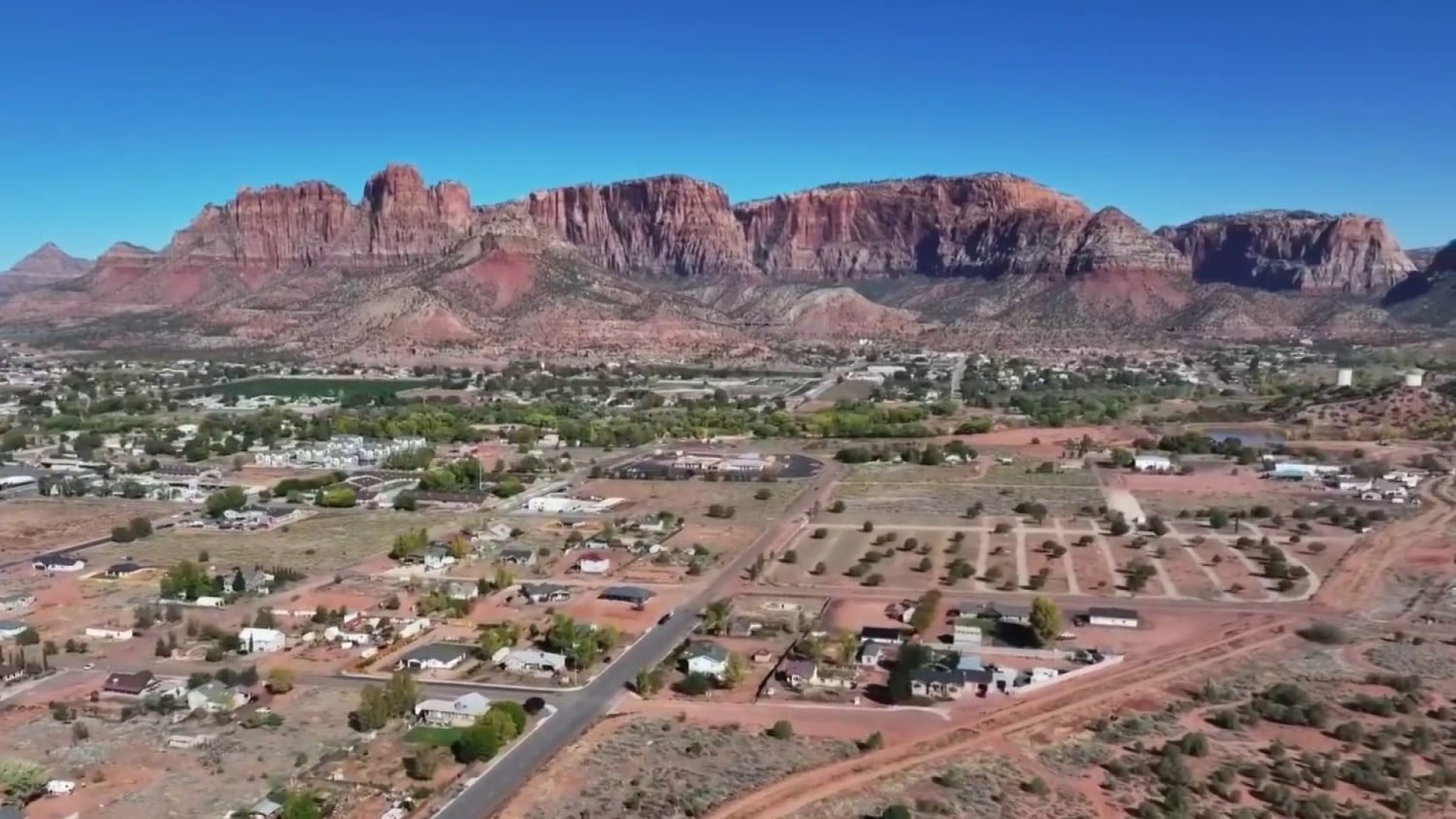

Following a period of diligently restoring confidence and cohesion, a modest community, which previously contended with the sway of a deceptive figure, is currently confronted with an unforeseen and novel predicament: a measles epidemic that endangers its gradual journey toward recovery.
A fragile recovery disrupted
In a tranquil, remote area, a tight-knit group of people had been striving to heal from the wounds inflicted by a captivating but domineering individual who previously dictated their convictions, daily habits, and social interactions. For many years, the inhabitants dedicated themselves to reconstructing their existences, prioritizing the restoration of individual freedom, learning opportunities, and dependable medical services—elements that were once limited by the leader’s sway. Nevertheless, that delicate advancement has been abruptly disrupted. The reappearance of measles, a preventable illness long believed to be contained, has rekindled apprehension and doubt among those still learning to place their faith in the broader world.
The first signs of trouble appeared when several children developed high fevers and rashes. At first, many parents hoped it was a seasonal illness, but as the symptoms spread and intensified, local health officials confirmed their worst fears: measles had entered the community. For those still grappling with the psychological aftermath of isolation and manipulation, the outbreak feels like a cruel echo of the past—another test of resilience and solidarity.
The roots of vulnerability
The community’s current health crisis cannot be understood without revisiting its past. During the height of the former leader’s control, outside medical care was often dismissed as unnecessary or even dangerous. Vaccinations were discouraged, framed as an intrusion by outsiders seeking to corrupt the group’s “purity.” As a result, many children grew up without routine immunizations, leaving the population highly susceptible to preventable diseases.
Even after the leader’s influence waned and families began reestablishing contact with neighboring towns, the damage was already done. Years of mistrust toward institutions and science left deep marks, creating an environment where misinformation about vaccines still lingers. Health authorities who have since stepped in to assist describe an uphill battle—not only to contain the outbreak but also to rebuild confidence in public health systems.
Local healthcare professionals and community helpers have been visiting homes, providing information and complimentary immunization drives. However, advancement has been sluggish. A segment of the population, still affected by prolonged indoctrination, continues to be reluctant or apprehensive. False information has demonstrated a contagiousness comparable to the virus itself, disseminating through rumors, online posts, and persistent anxieties about exploitation.
Personal narratives amidst the crisis
Behind the statistics and headlines are the lives of families who once believed they had escaped the worst. Parents now find themselves comforting children with symptoms they can barely understand. Elderly residents recall earlier epidemics that swept through before vaccines became commonplace, expressing disbelief that such diseases could return in the twenty-first century.
Healthcare workers stationed nearby describe long shifts, emotional exhaustion, and the difficulty of confronting resistance from those who still associate medical intervention with control or punishment. For them, this is not merely a medical emergency—it’s a human challenge rooted in trauma, distrust, and broken social bonds.
One local physician, who has been offering their time since the epidemic started, articulated that the battle against measles in this region involves not only halting the spread of infection, but also mending unseen scars. Every immunization signifies more than just defense against illness; it also marks progress towards regaining self-determination and confidence.
Lessons in resilience and responsibility
The ongoing crisis serves as a stark illustration of the vulnerability of public health when false information spreads and confidence diminishes. While measles was deemed eradicated in many areas years ago, its reappearance in small, secluded communities highlights the rapid reversal of advancements when preventative actions are overlooked.
Experts emphasize that rebuilding a community’s faith in medicine requires more than emergency aid—it demands consistent engagement, empathy, and long-term education. Religious and cultural leaders who now support vaccination efforts are proving instrumental in bridging the gap between medical authorities and hesitant families. Their involvement helps demonstrate that faith and science need not be opposing forces, but can coexist in the shared pursuit of well-being.
As immunization squads persist in their duties and recuperation endeavors gain momentum, rays of optimism emerge. An increasing number of parents are consenting to vaccinate their offspring, recognizing that safeguarding them represents not an act of surrender but of affection. Public assemblies now incorporate dialogues concerning wellness, prophylaxis, and the insights gleaned from their shared journey.
Though the outbreak has caused fear and disruption, it has also revealed the remarkable resilience of a community determined not to repeat the mistakes of its past. Each day brings new stories of cooperation—neighbors sharing food with quarantined families, young volunteers assisting medical teams, and local leaders encouraging transparency and dialogue.
Still, specialists caution that the journey ahead will be extensive. Reestablishing herd immunity requires time, and the psychological wounds from both the cult’s dominance and the ongoing health crisis will not disappear instantly. Nevertheless, the readiness to interact, heed, and acquire knowledge signifies a profound transformation from the quietude that previously characterized their existences.
In the end, what began as a health emergency has evolved into a test of trust—a reminder that recovery is not only about survival, but also about rediscovering the strength to believe in one another. The community’s story stands as a testament to human endurance, proving that even after years of manipulation and fear, healing is possible when people choose compassion over isolation and truth over deceit.


