
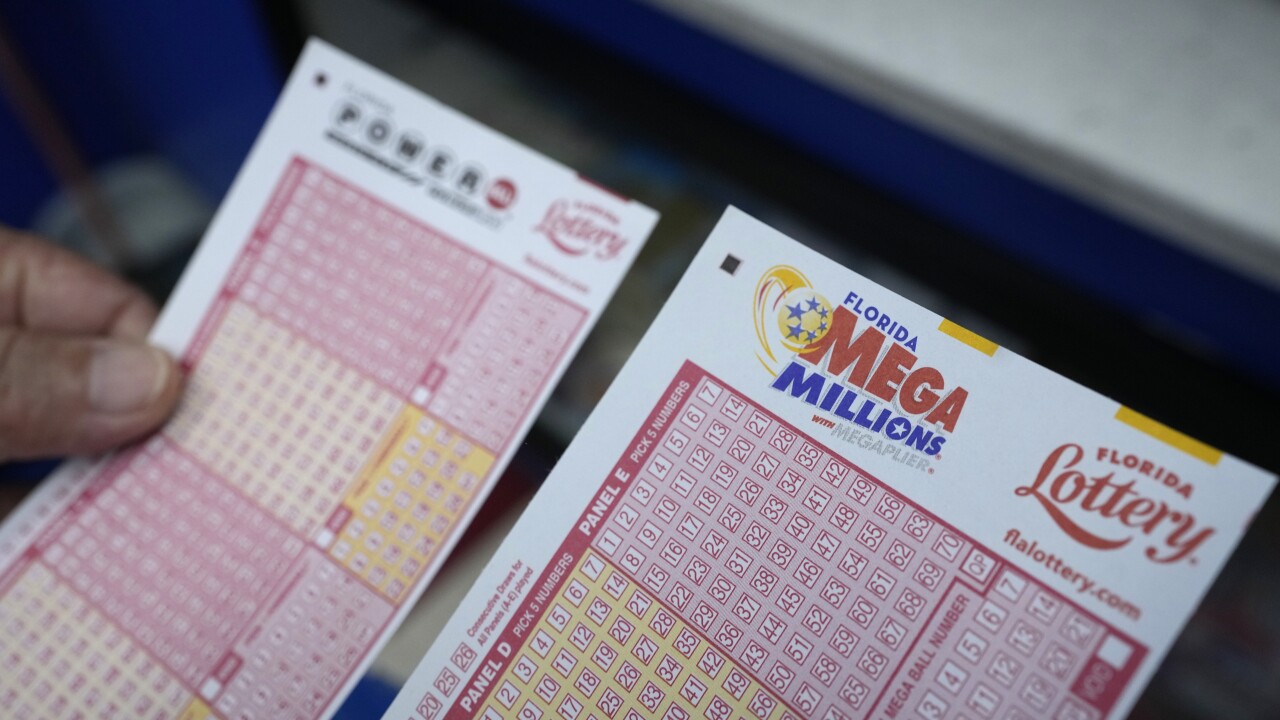

The excitement surrounding one of the nation’s most popular lottery games is building once again as the Powerball jackpot has surged beyond the $600 million mark. With the next drawing scheduled for Monday night, millions of players across the United States are rushing to secure their tickets, hoping to turn a small investment into a life-changing fortune. The rapid increase in the prize pool has placed this jackpot among the top in the game’s history, fueling anticipation and conversation nationwide.
The Powerball lottery has historically represented both luck and aspiration. Participants spend only a small amount of money for the chance to win exceptional amounts of wealth, with the jackpots frequently soaring into the hundreds of millions. The latest surge over $600 million highlights how rapidly the reward can increase when there is no winner for the top prize in the drawings. Each time it rolls over, tens of millions are added to the jackpot, drawing public interest and fueling fantasies about how life might be transformed with such a massive financial gain.
While winning such a jackpot is statistically unlikely, the allure of the possibility keeps participation levels high. Many players see the Powerball not only as a gamble but also as a form of entertainment that fuels their imagination. The idea of buying a ticket and contemplating the “what if” scenarios is part of the experience. For some, the excitement comes from thinking about paying off debt, buying a new home, helping family members, or donating to causes they care about. For others, it is simply about enjoying the thrill of taking part in something larger than themselves.
This surge in the jackpot has been attributed to a string of drawings with no top prize winners. Each drawing without a jackpot hit means that the prize carries over, attracting even more ticket buyers. The cycle of rollovers feeds into growing participation, creating a snowball effect that pushes the jackpot higher and higher. The $600 million milestone represents one of the most significant accumulations in recent months, signaling just how rare it is for no one to match the winning numbers over so many consecutive drawings.
For those who aren’t familiar with the game, Powerball involves picking five numbers from a set of 69 white balls, plus a single red Powerball number from a different set of 26. To secure the top prize, all six chosen numbers must align with the drawn numbers. Although the likelihood of achieving this is extremely low—approximately one in 292 million—the presence of smaller prize levels keeps many participants interested. Even if the massive jackpot remains out-of-reach, players still have opportunities to win rewards ranging from a few bucks to over a million dollars, depending on the numbers they match and any multipliers they decide to apply.
The allure of large lottery prizes goes beyond just the economic aspects. Researchers in sociology and economics have examined the role lotteries play in today’s culture. For many, buying a lottery ticket symbolizes hope during financial instability. It brings a small chance that fortunes can be reversed instantly, avoiding long periods of monetary hardship. On the other hand, opponents contend that lotteries tend to appeal more to people from lower-income backgrounds, leading them to invest considerable sums in pursuit of a highly unlikely result.
Despite these concerns, the popularity of Powerball continues to grow whenever the jackpot swells to headline-worthy levels. Convenience stores, supermarkets, and online platforms see sharp spikes in ticket sales during these periods. The shared excitement often turns into a community experience, with people chatting about their “lucky numbers,” office pools forming, and friends making pacts about how they would share winnings. The social dimension of a massive jackpot adds another layer of fascination to the event.
Experts often advise individuals to partake in the lottery with practical expectations. While dreaming contributes to the enjoyment, financial advisors commonly recommend considering lottery tickets as a type of amusement instead of a dependable method for accumulating wealth. For the few who succeed in winning a jackpot, unexpected wealth brings its own set of challenges. Research has indicated that lottery winners may encounter distinct financial and psychological obstacles, such as handling newfound assets wisely and adjusting to the significant alterations in personal relationships that prosperity can introduce.
The logistics of claiming a jackpot of this size are also worth considering. Winners typically have the choice between receiving the prize as an annuity, paid in installments over three decades, or as a lump-sum cash payout that is significantly smaller but immediate. The decision often depends on financial goals, tax considerations, and long-term planning. Given the magnitude of the prize, both options represent life-altering sums of money that require careful decision-making with the guidance of financial professionals.
As anticipation builds for Monday’s drawing, many Americans are preparing their entries with renewed excitement. The more the jackpot grows, the more attention it garners from media outlets and communities alike. The allure of $600 million—or potentially even more if no one claims the prize this round—makes it one of the largest current jackpots anywhere in the world. For lottery enthusiasts, this drawing is not just another chance at winning, but an event that symbolizes opportunity and possibility on a grand scale.
Lottery organizations also benefit significantly from surging jackpots. Proceeds from ticket sales contribute to state programs and initiatives, often directed toward education, infrastructure, and community development. This dual purpose—entertainment for players and revenue for public programs—helps sustain the ongoing popularity of games like Powerball. The larger the jackpot grows, the greater the funds that can be distributed back into these essential areas, creating a ripple effect of benefits.
The widespread interest in enormous jackpots permeates popular media and daily discussions. Late-night talk show hosts, radio personalities, and social media users frequently engage in conversations and humor about potential winners, imaginary purchases, and how average individuals might handle an unexpected fortune. This shared intrigue transforms each lottery draw into an event of national curiosity, bridging diverse demographics and backgrounds.
Though the chances do not change no matter the number of participants, the surge in ticket purchases as the prize grows only strengthens the widespread attraction of the aspiration. Observing lengthy queues at convenience stores and the excitement of individuals verifying their numbers afterward illustrates how embedded lottery culture is in American life. Even individuals who seldom buy tickets frequently bend their rules when prizes exceed particular thresholds, enticed by the prospect of unique opportunities.
As Monday’s drawing nears, the country eagerly anticipates whether a fortunate person—or a group participating in a pool—will secure the remarkable prize. If no one claims the jackpot this time, the amount will increase once more, possibly setting new records. Every rollover adds to the excitement, guaranteeing that the Powerball stays a major part of American culture for the foreseeable future.
While the probability of hitting the winning numbers is vanishingly small, the journey of participating in the lottery is about more than just the financial prize. It represents hope, imagination, and the thrill of possibility. Whether or not the $600 million jackpot finds a new owner this Monday, the excitement it has generated illustrates the timeless human fascination with fortune and chance.


.jpg "How to Set Up an Offshore Company in Panama")
.jpg "Panama Pensionado Visa Requirements 2026")
