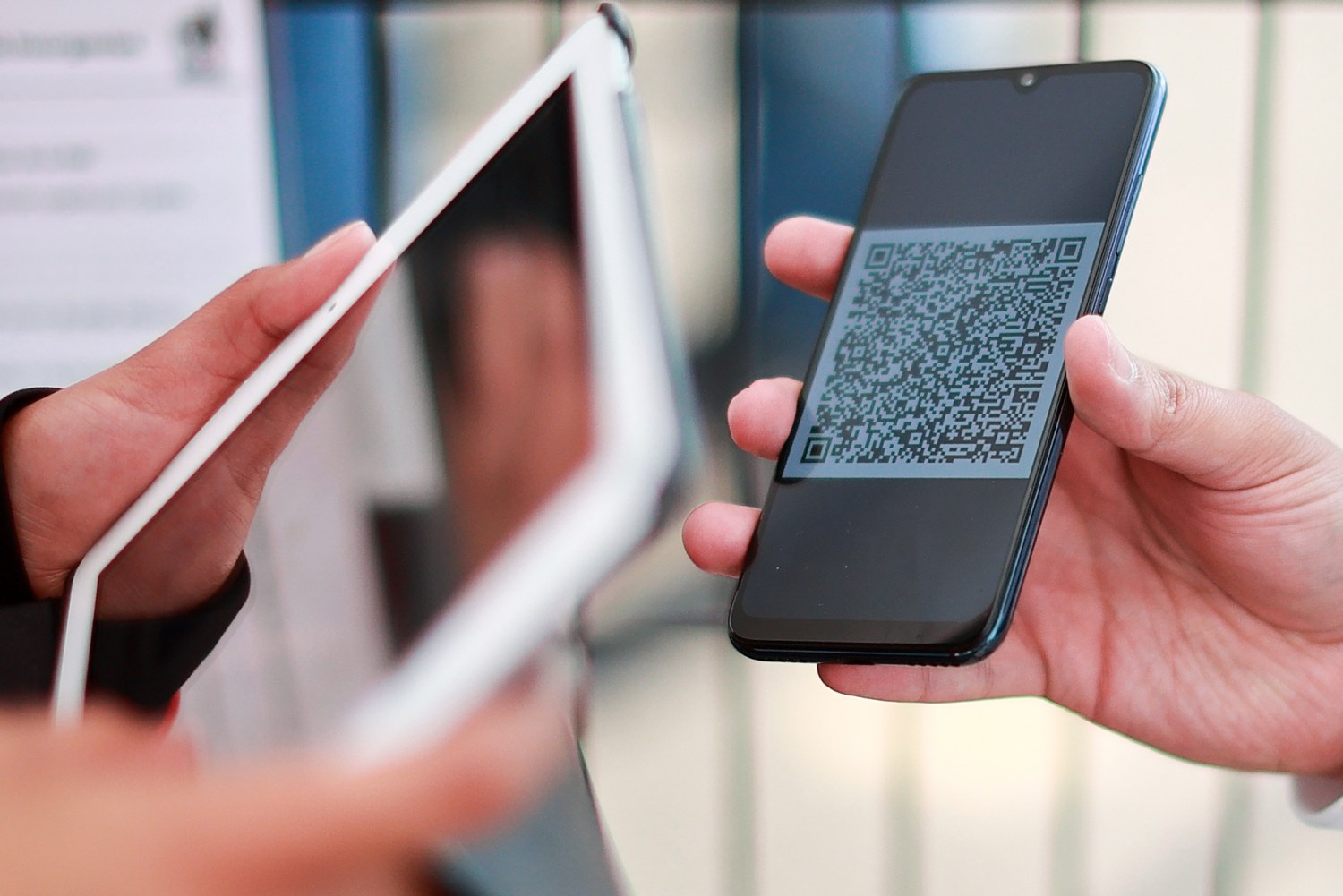

QR codes have become part of everyday life. People use them to view restaurant menus, pay for parking, download apps, or visit websites. With a quick scan from a smartphone camera, these codes connect users directly to online information. Their convenience has made them extremely popular in both personal and professional settings.
However, the same technology that makes QR codes useful has also opened the door for cybercriminals. A new type of scam, known as “quishing,” is now targeting unsuspecting users. The term combines “QR” and “phishing” and refers to scams where fake QR codes are used to deceive people. These codes often lead to fraudulent websites, steal personal information, or install malicious software on users’ devices.
One of the primary issues with QR codes is the inability of users to view the website or link that the code leads to before it’s scanned. This lack of visibility allows malicious actors to conceal dangerous links within seemingly innocuous images. Often, individuals scan these QR codes without a second thought, believing them to be credible merely because they are found in reputable places.
Offenders have discovered several methods to misuse this. In open areas, they might affix labels with counterfeit QR codes over the genuine ones. Someone attempting to pay for parking or utilize a service could scan the code, assuming it’s linked to the business, and instead be redirected to a fraudulent website intended to gather private data. The individual might inadvertently supply credit card details, login information, or other personal data that goes directly to the scammers.
The risk extends beyond just public signage. Fraudulent QR codes can also be found in text messages, emails, or posts on social media. These communications might assert they are from parcel delivery companies, financial institutions, or e-commerce sites, requesting recipients to validate a payment or authenticate an account. Upon scanning, the QR code could lead the user to a deceptive website that urges them to input sensitive information. In some cases, scanning the code might initiate the download of malicious software, jeopardizing the user’s device and data.
These attacks are effective because of the trust people place in QR codes. They’re used so often and appear in so many normal, safe settings that people rarely question them. Unlike links in emails, which many users have learned to approach with caution, QR codes are still seen as secure by default. This assumption is what makes quishing such a powerful trick.
Several events have shown the potential harm caused by these scams. In one instance, patrons at a cafe believed they were accessing the menu via a QR code, only to be directed to a website that harvested their social media credentials. In a different scenario, counterfeit QR code labels on public parking meters tricked individuals into entering their card information on a fraudulent payment platform. These schemes can lead to not just monetary damage but also identity theft and unauthorized entry into personal or corporate accounts.
The rise in quishing is connected to the increased use of QR codes that developed during the COVID-19 pandemic. As companies looked for ways to share information and process payments without physical contact, QR codes provided a quick answer. Regrettably, this extensive adoption also allowed fraudsters more chances to mimic authentic services. As QR codes remain a regular aspect of everyday activities, it’s anticipated that quishing methods will evolve to be more sophisticated.
Many people are unaware that their devices may already be at risk after scanning a malicious code. Malware can run silently in the background, logging keystrokes, recording passwords, or even gaining access to the phone’s camera and microphone. The impact of one quick scan can be long-lasting and difficult to trace back to its source.
For typical users, the most effective method to avoid falling prey is to stay vigilant. While QR codes can be convenient, it’s crucial to pause and consider before using them. If a code is found on an unexpected flyer, email, or message that appears dubious, it’s wiser to avoid interacting with it. Identifying indicators of a counterfeit QR code, like a sticker layered on another code or badly designed items, can also assist in thwarting a fraudulent scheme.
The fight against quishing also depends on how businesses manage their use of QR codes. Organizations should monitor their codes regularly to ensure they haven’t been tampered with. They can also take extra steps such as using custom-branded QR codes that are harder to fake or creating verification steps that give users additional assurance that the page they’ve reached is legitimate.
Although attempts have been made to inform the public and enhance safety measures, it is evident that quishing remains an expanding issue. This threat relies on rapidity and straightforwardness. Fraudsters rely on individuals responding hastily—glancing without considering, inputting information without verification, and assuming the process is reliable. Awareness serves as the initial protection. It is crucial to remind individuals that QR codes, similar to email links, are not invariably secure simply due to their convenience.
Tech firms have started investigating methods to enhance QR code security. Some proposed solutions involve incorporating visual indicators to verify authenticity, prompting users to validate links prior to accessing them, or creating more intelligent applications that analyze the QR code’s destination before it’s accessed. These initiatives seem promising; however, for the time being, individuals should depend on practicing safe habits and maintaining vigilance.
Phishing schemes have demonstrated that even the simplest instruments can be used against us when misused. As cyber attackers grow more inventive, users must also adapt. Prudence, analytical thinking, and vigilance remain the most reliable methods for remaining secure in a digital environment where even a basic scan can be dangerous.