
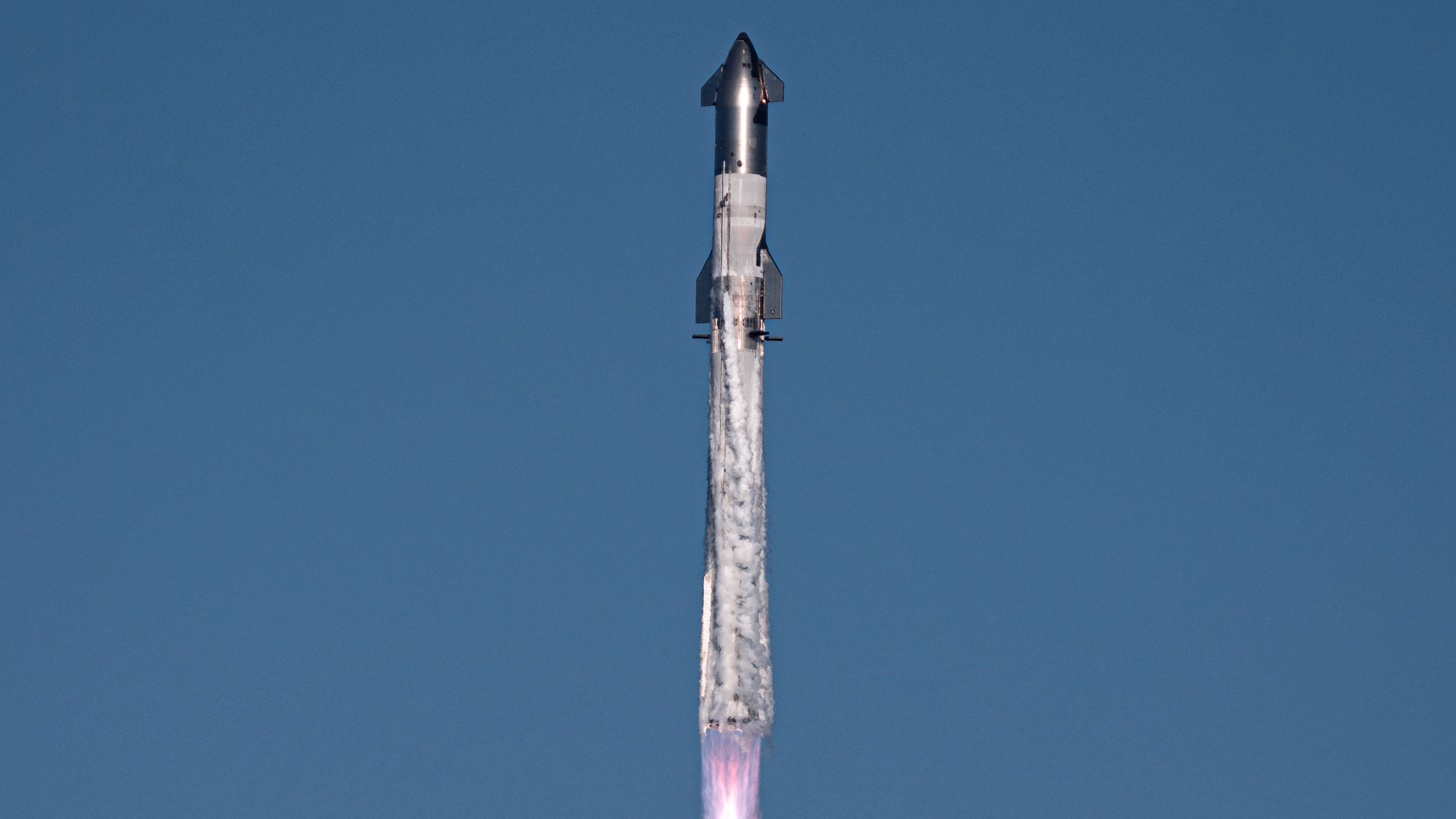

SpaceX has reshaped the global aerospace industry by combining aggressive technology investment with a bold commercial expansion strategy. Founded in 2002 by Elon Musk, the company set out to reduce space transportation costs and enable the long-term goal of human settlement beyond Earth. Over two decades, SpaceX has transformed from a startup challenger into a dominant force in launch services, satellite communications, and human spaceflight, driving innovation at a pace rarely seen in the aerospace sector.
Technological Innovation as a Core Strategy
At the heart of SpaceX’s progress lies sustained investment in breakthrough engineering. The company prioritizes vertical integration, rapid prototyping, and iterative design, enabling faster development cycles and cost reductions.
Reusable Rocket Technology
The development of reusable launch vehicles stands out as the most transformative technological advance. In the past, rockets operated as disposable systems, which made space travel prohibitively costly. This dynamic shifted when SpaceX’s Falcon 9 rocket introduced a first-stage booster that can land and be flown again multiple times.
- The Falcon 9 first stage has demonstrated more than 15 reuses on certain boosters.
- Reusability has reduced launch costs from approximately $200 million per mission for older systems to around $67 million or lower for Falcon 9.
- Rapid refurbishment processes allow faster turnaround between launches.
This innovation has pressured competitors to develop their own reusable systems, accelerating industry-wide technological advancement.
Starship and Heavy-Lift Capabilities
SpaceX’s Starship program marks its forthcoming technological milestone, conceived as a fully reusable super heavy‑lift launch system built to place more than 100 metric tons into low Earth orbit. Driven by the Raptor engine, which relies on methane and liquid oxygen, Starship has been crafted to support extended deep‑space operations, including transport missions to the lunar surface and future journeys toward Martian destinations.
Starship’s stainless steel build and its sophisticated heat-shield system showcase how SpaceX prioritizes affordable materials and streamlined production, and even though the vehicle remains in experimental stages, it has already carried out high-altitude flights and orbital trials that deliver essential insights for ongoing improvements.
Cutting-Edge Propulsion and Production
SpaceX’s Raptor engine stands out as a major leap in propulsion technology, employing a full-flow staged combustion cycle that delivers notably higher efficiency and thrust than many conventional rocket engines, while additive manufacturing, automated welding processes, and internal component fabrication enable SpaceX to exert more precise control over both costs and overall performance.
Commercial Expansion and Market Disruption
SpaceX has stretched its ingenuity far beyond engineering, and its push into commercial growth has reshaped both the financial dynamics and the overall framework of the aerospace sector.
Launch Services Dominance
By delivering cost-effective rates and maintaining strong reliability, SpaceX has secured a large portion of the worldwide commercial launch sector, drawing customers ranging from satellite operators and research institutions to private firms and government organizations like NASA and the Department of Defense.
The primary milestones are:
- Becoming NASA’s primary partner for cargo resupply to the International Space Station.
- Launching astronauts under the Commercial Crew Program, restoring domestic human launch capability to the United States.
- Securing multi-billion-dollar national security launch contracts.
By broadening its client base, reliance on any one stream of income is diminished, and SpaceX’s presence worldwide is further reinforced.
Starlink Network of Satellites
One of SpaceX’s most ambitious commercial initiatives is Starlink, a satellite-based broadband network. With thousands of satellites deployed in low Earth orbit, Starlink aims to provide high-speed internet access worldwide, particularly in underserved and remote areas.
As of 2026, Starlink serves millions of subscribers across more than 60 countries. Revenue from Starlink is projected to exceed billions of dollars annually, providing SpaceX with a steady cash flow to fund capital-intensive projects such as Starship and Mars exploration.
Starlink also demonstrates vertical integration in action. SpaceX manufactures satellites in-house, launches them using its own rockets, and operates the service directly. This integrated model increases efficiency and accelerates deployment.
Strategic Alliances and Public‑Sector Cooperation
SpaceX’s drive for innovation is strengthened through strategic collaborations with both public and private organizations, with NASA agreements offering financial consistency while motivating significant technological progress, and the Artemis program, designed to send humans back to the Moon, incorporating a specialized lunar lander adaptation of Starship.
Collaboration with defense agencies helps advance robust satellite communication systems and swift launch-response capabilities, while these alliances allow SpaceX to align its commercial goals with the nation’s strategic priorities.
Impact on the Global Aerospace Ecosystem
SpaceX’s advancements have triggered competitive responses across the industry. Traditional aerospace companies and emerging startups are investing heavily in reusable launch systems, small satellite platforms, and advanced propulsion technologies.
The company’s success has also:
- Lowered barriers to entry for satellite deployment.
- Accelerated innovation cycles within aerospace manufacturing.
- Encouraged private investment in space infrastructure.
- Expanded public interest in commercial space exploration.
By demonstrating that lower expenses can go hand in hand with exceptional dependability, SpaceX has transformed what investors anticipate and reshaped the leading standards within aerospace engineering.
Economic and Strategic Implications
SpaceX’s commercial expansion contributes significantly to the broader space economy, which is projected to surpass $1 trillion in the coming decades. The integration of launch services, satellite communications, and human spaceflight positions SpaceX as a vertically integrated space infrastructure provider rather than merely a launch company.
The expansion of global broadband enabled by Starlink also carries geopolitical consequences, providing dependable communication systems in regions affected by natural disasters or armed conflicts, while its heavy‑lift launch capacity advances scientific missions, vast satellite constellations, and emerging possibilities for manufacturing in space.
Scaling Innovation Beyond Earth
SpaceX’s ongoing investments signal an ambition that extends beyond Earth orbit. With Starship designed for interplanetary missions and in-orbit refueling technologies under development, the company is building foundational infrastructure for sustained deep-space operations.
Its model merges technological experimentation with commercial practicality, where reusable systems cut expenses, commercial services produce income, and that income drives continued innovation, forming a cycle that evolves into a self-sustaining force for progress.
SpaceX’s trajectory shows how concentrated technological investment paired with ambitious commercial growth can transform an entire sector, and by cutting the overall cost of reaching space, unifying services across diverse fields, and persistently refining its engineering approaches, the company has both propelled aerospace progress and reshaped the economic and technical possibilities of the modern space era.


