
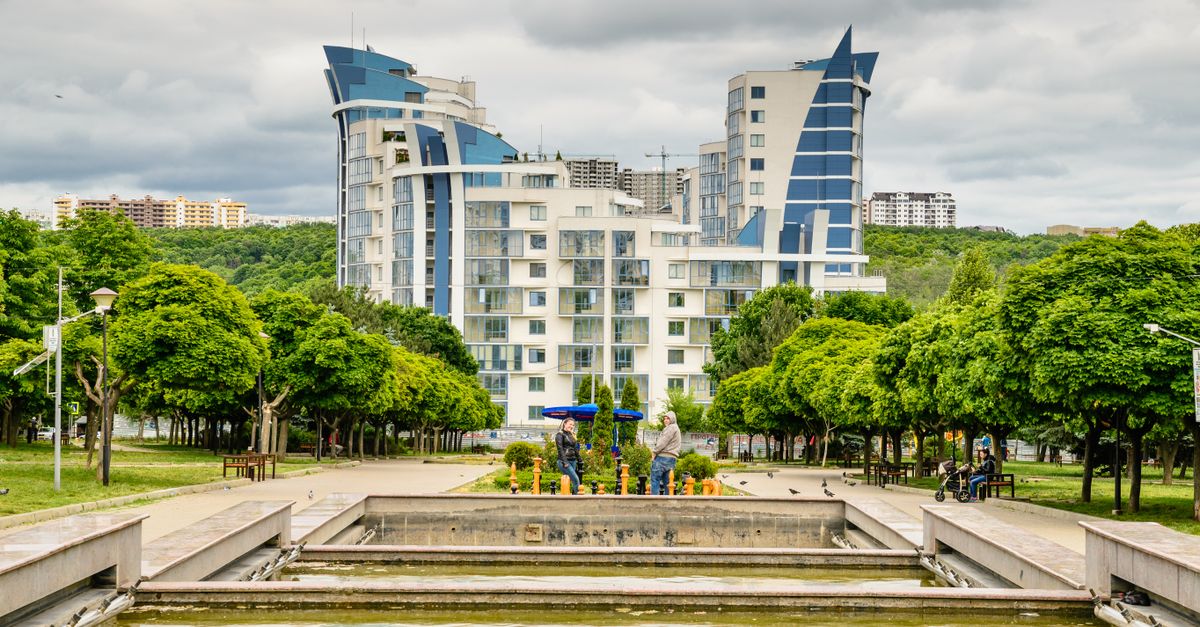

Public parks are more than green spaces; they are active infrastructures that shape social life, public health, local economies, urban design, and environmental resilience. Across U.S. cities, parks function as sites of daily recreation and civic ritual, arenas for cultural exchange, and tools for planning and adaptation. The effects are measurable and multifaceted: parks influence property values, public health outcomes, climate vulnerability, social cohesion, and the spatial equity of urban opportunity.
Historical and cultural roles
Parks in American cities have evolved from expansive landscaped refuges such as Central Park (spanning about 843 acres) to intimate neighborhood play areas and contemporary adaptive-reuse initiatives, reflecting a long tradition of urban green design. Early municipal parks were created to provide relief from the pressures of industrial life, while subsequent movements—the Progressive Era and the City Beautiful movement—aimed to elevate civic well-being and reinforce public values through well-planned, widely accessible greenery. In more recent years, new models have emerged, including downtown plazas positioned as economic catalysts, linear parks like the High Line that transform former infrastructure, and compact neighborhood pocket parks centered on community-focused activities.
Social and health impacts
Parks are correlated with improved physical and mental health. Proximity to green space increases opportunities for walking, running, biking, and informal play; research consistently links park access to higher physical activity and lower risks of obesity and cardiovascular disease. Parks also support mental health by reducing stress and facilitating social connection—especially important in dense urban environments.
- Daily activity: Local parks offer easy-access spaces for movement, giving people of all ages and income levels a simple way to stay active.
- Mental well-being: Spending time in natural settings lowers stress indicators and helps restore mental focus.
- Public programming: Affordable classes, programs for seniors, youth athletics, and community festivals extend wellness advantages far beyond merely being near nature.
Economic effects
Parks act as drivers of local economic growth, stimulating tourism, drawing in companies, encouraging private investment, and often increasing property values around well‑kept green spaces. Numerous cases demonstrate how wide‑ranging these effects can be:
- High Line, New York: The conversion of an elevated rail line into a linear park generated major tourist visitation and catalyzed surrounding real estate development—often cited as spurring over a billion dollars of private investment in nearby projects.
- Millennium Park, Chicago: A large, centrally located civic park that has attracted millions of visitors annually since opening and supported downtown economic vitality; its construction cost was significant but yielded measurable increases in tourism and adjacent development.
- Property values: Proximity to attractive parks commonly increases surrounding real estate values; estimates vary by context but often fall in a range from a few percent up to double-digit percentage increases depending on park size, amenities, and neighborhood dynamics.
Economic benefits are uneven, however: park-led investment can accelerate neighborhood change and contribute to displacement unless paired with anti-displacement and affordable housing strategies.
Environmental and climate resilience roles
Parks are critical components of urban ecological systems and climate adaptation strategies. They mitigate urban heat islands through tree canopy and evapotranspiration, manage stormwater via permeable soils and constructed wetlands, and provide biodiversity refuges.
- Heat mitigation: Shaded, plant-rich zones can noticeably lower nearby air temperatures, boosting overall comfort and trimming energy use.
- Stormwater management: Parks featuring bioswales, retention basins, and permeable ground surfaces help curb runoff and reduce flooding risks, a vital function for cities confronting increasingly severe storms.
- Habitat and biodiversity: Even modest park spaces provide refuges for pollinators and migratory birds, strengthening ecological linkages across urban environments.
City planners increasingly integrate parks into resilience strategies—linking green corridors, waterfront parks, and floodable open spaces to both recreation and hazard mitigation.
Design, safety, and programming
Design choices and active programming shape how parks operate, and principles that foster regular use and safety include natural surveillance such as having “eyes on the street,” unobstructed sightlines, well-illuminated walkways, lively edges featuring cafes or markets, and a mix of amenities that draw a broad range of visitors.
- Programming: Concerts, farmers markets, sports leagues, and free classes turn parks into daily hubs rather than passive backdrops.
- Maintenance and safety: Regular maintenance, sanitation, and thoughtful lighting are essential; design strategies informed by Crime Prevention Through Environmental Design (CPTED) often reduce safety concerns.
- Seasonality and flexibility: Successful parks design for year-round use—winter programming, trail maintenance, and adaptable plazas extend benefits across seasons.
Governance models and funding
U.S. parks are managed through a mix of municipal authorities, regional park districts, conservancies, and public-private partnerships. Different models influence funding stability, programming breadth, and maintenance quality.
- Municipal departments: City parks departments deliver basic services and programming but often face budget constraints tied to municipal budgets.
- Conservancies and friends groups: Organizations like the Central Park Conservancy raise private funds and provide professional management; they have enabled high standards for flagship parks but raise equity debates about resource concentration.
- Public-private partnerships: Joint ventures can deliver capital projects and specialized programming, but long-term operating funding and public control require careful contractual design.
Sustainable funding mixes—municipal budgets, philanthropic support, revenue-generating activities, and dedicated taxes or fees—are critical to park longevity.
Challenges surrounding equity and access
Although parks deliver wide-ranging advantages, access remains inconsistent. Many low-income neighborhoods and communities of color typically face limited park space per resident, lower upkeep standards, and a scarcity of amenities. Planning frameworks and policy tools seek to address and reduce these disparities.
- Access goals: Planning efforts often set objectives like guaranteeing every resident can reach a neighborhood park within a 10-minute walk, and these benchmarks then guide land-use choices and funding priorities.
- Anti-displacement: To prevent green upgrades from causing displacement, cities frequently combine park development with affordable housing measures, tenant safeguards, and community land trusts.
- Community engagement: Genuine involvement of residents in shaping park design and activities helps ensure parks align with local priorities and daily realities.
Case studies showcasing a wide range of roles
- Central Park, New York: This expansive and historic urban park, jointly overseen by municipal authorities and a conservancy, illustrates how expert management sustains heavy daily visitation, diverse cultural events, and long-term landscape preservation.
- The High Line, New York: This elevated linear park repurposed former industrial rail infrastructure into a major visitor draw and a spark for nearby development, showcasing inventive design while also prompting ongoing discussions about equity, affordability, and public access.
- Golden Gate Park, San Francisco: Spanning about 1,017 acres, it serves as a regional cultural destination, featuring museums, sports areas, and expansive event venues, all while maintaining a significant urban tree canopy.
- Bryant Park, New York: This compact urban square was revitalized through strategic management, curated programming, and a balanced blend of public and private support, resulting in a dynamic and lively downtown gathering place.
- Open Streets and pandemic-era adaptations: During COVID-19, parks and roadway areas were rapidly repurposed for outdoor dining, recreation, and wider pedestrian zones, revealing the flexibility of urban spaces and shifting expectations for public life outdoors.
Policy and planning levers
Local governments rely on multiple strategies to broaden and enhance their parks, including zoning bonuses that encourage open space, park impact fees tied to new construction, dedicated land-purchase budgets, urban tree-planting programs, and voter-approved taxes or ballot initiatives supporting recreation. Data-driven metrics such as park area per resident, proximity evaluations, and analyses of community needs guide how investments are prioritized.
- Performance metrics: Quantitative goals (e.g., acres per 1,000 residents, proximity targets) guide equitable distribution.
- Integrated planning: Parks integrated with transit, housing, and stormwater planning produce multifunctional public assets.
- Community benefits: Requirements linking development to public space improvements can expand park access when paired with affordability protections.
Emerging trends and future directions
Several trends are reshaping the role of parks: green infrastructure for resilience, community-led stewardship, digital engagement and programming, and policy emphasis on equity and anti-displacement. Technology supports data-driven maintenance and visitor services, while climate pressures make multifunctional park design increasingly urgent.
- Green infrastructure: Parks designed as floodable landscapes and stormwater amenities will be crucial in many coastal and riverine cities.
- Equitable investment: Targeted funding and participatory design aim to correct historical disparities in park access.
- Hybrid public spaces: Hybrid models—combining passive green space, active recreation, cultural venues, and commercial programming—will continue to expand.
A park is a mirror of a city’s priorities: investments reveal how a city values health, equity, culture, resilience, and shared public life. Thoughtful planning, diverse funding, and inclusive stewardship determine whether parks become engines of collective benefit or accelerants of displacement. As cities evolve, parks remain essential urban infrastructure—flexible, visible, and potent in shaping what city life feels and means for residents.


