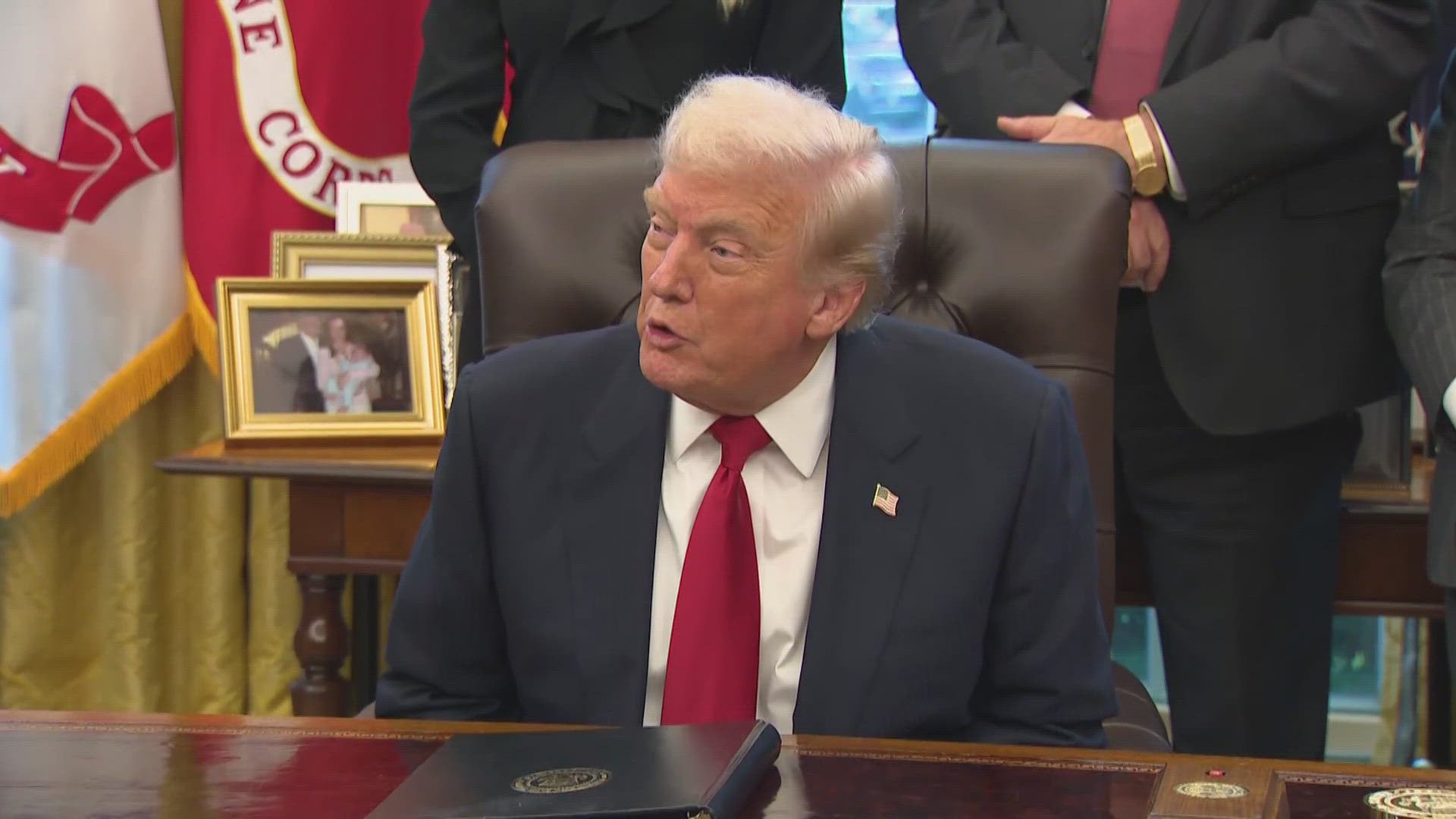

Ex-President Donald Trump has put forward a novel economic initiative designed to alleviate the financial strain on American families. This proposal, which entails distributing $2,000 rebate checks linked to tariffs, has ignited discussion among financial experts, legislators, and the general populace, prompting inquiries into its prospective effects on rising prices, international commerce, and the overall economic landscape.
Trump’s suggestion arises amidst continuous conversations regarding the handling of economic repercussions stemming from global trade strategies. Tariffs, defined as levies applied to imported products, have historically served as a mechanism for the United States to safeguard local businesses, shape international relations, and accrue funds. Nevertheless, they can also result in elevated consumer prices and complexities within worldwide trade connections. Through the provision of refund checks matching specific tariff earnings, the concept aims to counteract the heightened expenses encountered by American families, effectively channeling funds gathered from import duties straight back to the populace.
Grasping the operational aspects of the discount
The notion of a $2,000 reimbursement is intended to serve as a direct financial offset for consumers facing elevated costs due to duties on imported goods. Fundamentally, should tariffs lead to an increase in product prices, the government would issue payments to qualified citizens to mitigate a portion of that economic burden. Supporters contend that this strategy could offer prompt assistance to households grappling with escalating expenses, especially for necessities such as groceries, apparel, and gadgets.
Critics, however, caution that the plan could have unintended consequences. While it may temporarily increase disposable income, some economists warn it could exacerbate inflationary pressures. By injecting cash into the economy without a corresponding increase in supply, prices might rise further, potentially diminishing the intended benefit of the rebate. Additionally, there are concerns about how such a program would be funded, its administrative feasibility, and the potential for political polarization surrounding its implementation.
Economic and Political Ramifications
The proposition also holds considerable political significance. By connecting the refunds to duties—a characteristic feature of Trump’s past commercial regulations—the initiative resonates with a demographic that favors assertive protectionist approaches. It portrays the former head of state as a defender of the “average American,” directly tackling worries about living expenses and financial disparity. Concurrently, it reignites discussions regarding the actual efficacy of tariffs. Detractors contend that tariffs frequently harm domestic enterprises dependent on imported goods, potentially jeopardizing the enduring vitality of the economy.
From a broad economic standpoint, these rebates have the potential to shape how consumers act. With an injection of $2,000 per payment, households might boost their expenditures, thereby bolstering economic expansion in the near term. Businesses in retail and services could experience heightened demand, and specific industries might enjoy a temporary surge. However, economists are split on whether this initiative would result in lasting enhancements to the economic climate or simply offer a brief stimulus with restricted enduring impact.
Potential effects on trade relations
Another intricate aspect involves the repercussions for global commercial interactions. Tariffs represent a divisive instrument, frequently inciting reciprocal actions from commercial allies. Although rebate payments could mitigate the internal perception of tariffs, they do not eradicate the fundamental obstacles to trade. Nations impacted by U.S. tariffs might persist in levying their own duties or pursue alternative strategies to safeguard their sectors, potentially escalating commercial friction.
Moreover, enterprises operating within international supply networks might encounter difficulties if tariffs and their associated reimbursements are not meticulously applied. Businesses dependent on imported resources could experience unpredictable cost variations, potentially disrupting manufacturing timelines and impacting job stability. Policymakers would be tasked with weighing the national advantages of rebates against the wider repercussions for both global trade and local industries.
Public reception and viability
Public reaction to the rebate proposal has been mixed. Some Americans welcome the idea as a direct means to alleviate financial stress, particularly in a climate of rising living costs. Others view it skeptically, questioning the practicality of administering such payments and the long-term implications for the economy. Social media and news outlets have amplified both support and criticism, reflecting broader divisions in public opinion about trade policy, government spending, and economic intervention.
Implementation viability presents another crucial consideration. Distributing $2,000 payments to millions across the nation would necessitate a strong administrative framework, encompassing precise identification of qualified individuals, seamless integration with financial institutions, and safeguards against fraudulent activities. Previous initiatives involving stimulus payments and rebate schemes underscore the difficulties in effectively managing extensive payment distributions. Any holdups or inaccuracies could erode public trust and diminish the program’s overall impact.
While the proposal is still largely conceptual, it has reignited discussions about how best to support households facing economic pressures. The rebate checks illustrate a broader debate about the intersection of trade policy and domestic welfare: how to protect American industries without placing undue burden on consumers. Policymakers, economists, and the public will likely continue to scrutinize the plan’s feasibility, potential economic impact, and political ramifications in the months ahead.
Ultimately, the $2,000 tariff rebate proposal underscores the ongoing tension in economic policymaking: balancing short-term relief for citizens with long-term stability for the national and global economy. As debates unfold, it remains to be seen whether the initiative will gain traction, undergo modifications, or fade into the broader landscape of proposals aimed at addressing the cost of living.
Regardless of the outcome, Trump’s rebate idea has already sparked critical conversations about how trade and economic policies intersect with everyday life, highlighting the challenges of crafting policies that are both equitable and economically sound.