

The Ultimate Fighting Championship (UFC) is set to stage a groundbreaking event at the White House, marking the first time a live combat sports competition will be held at the presidential residence. The announcement signals a new level of mainstream acceptance and political validation for mixed martial arts (MMA), a sport that was once on the fringe of American culture. This unprecedented event is more than a simple fight; it is a powerful symbolic gesture that elevates the sport’s status and cements its place in the American sporting landscape.
For many years, the UFC battled for recognition, confronting prohibitions and societal disapproval due to its violent nature. Nevertheless, as time progressed, the organization adopted stringent regulations and protective measures, turning MMA into a well-regulated and internationally acclaimed sport. This transition from a contentious exhibition to a dominant mainstream entity has been lengthy and challenging, and an event at the White House signifies the definitive peak of that endeavor. It is an occasion that will be permanently inscribed in the annals of the sport, highlighting its extraordinary development and significant cultural influence.
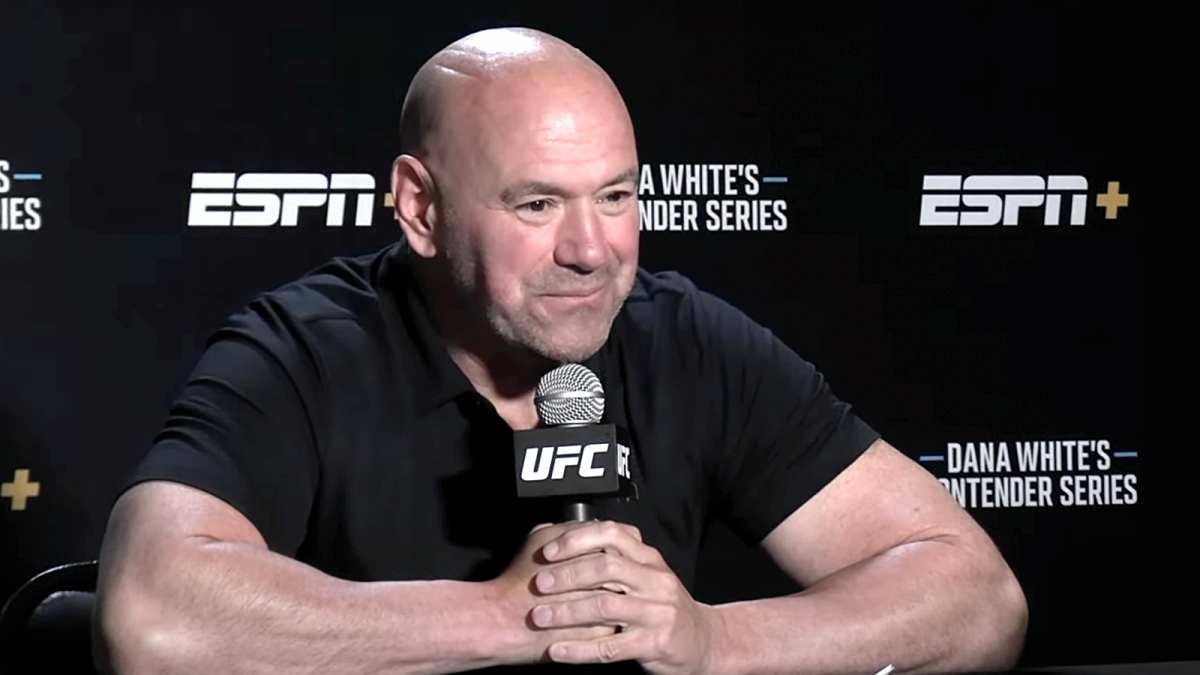
This event also highlights the growing political influence of the UFC and its president, Dana White. Over the years, the organization has cultivated relationships with politicians from both sides of the aisle. Fighters and executives have been frequent guests at presidential dinners and other political functions, but this upcoming event represents a different level of engagement. It’s a move that demonstrates a high degree of trust and recognition from the nation’s top office, solidifying the UFC’s position not just as a sporting entity, but as a significant cultural force in the country.
The logistical challenges of hosting a fight at the White House are immense. The event will likely be a more intimate affair, a departure from the massive arenas the UFC typically fills. Speculation is high that the fights could take place on the South Lawn, with a custom-built octagon and a limited number of attendees. Security, a paramount concern, will undoubtedly be a major factor, with Secret Service and other agencies working to ensure a seamless and secure event. This will not be a typical pay-per-view spectacle, but a highly controlled, prestigious gathering.
The cultural implications of this event are far-reaching. It’s a powerful statement that MMA, a sport born in a cage, has earned a seat at the table of American institutions. For years, the White House has hosted champions from traditional sports like baseball, basketball, and football. By extending this honor to the UFC, the administration is acknowledging the undeniable popularity and athletic merit of mixed martial arts. This is a moment of profound validation for all the fighters, coaches, and fans who have supported the sport through its tumultuous rise. The move also serves to further legitimize MMA in the eyes of a public that may still hold outdated perceptions of the sport. The visibility and prestige of a White House event will inevitably introduce a new audience to the sport, potentially converting skeptics into fans.
The history of combat sports in the political arena is a complex one. Boxing, for instance, has a long tradition of presidential patronage, with figures like Theodore Roosevelt being avid fans. However, no president has ever hosted a live boxing match at the White House itself. This makes the UFC’s event truly unprecedented and a testament to the sport’s unique ability to captivate and influence. The comparison to boxing is apt, as both sports have a history of fighting for mainstream acceptance, but the UFC’s rapid ascent and direct path to the highest office in the land is a modern phenomenon.
Furthermore, the event’s announcement comes at a time when the UFC’s popularity is at an all-time high. The organization has secured lucrative media deals, expanded its global footprint, and produced some of the biggest stars in sports. By hosting a White House event, the UFC is not only celebrating its success but also demonstrating its staying power. It’s a clear message to the world that MMA is here to stay, and it has the political and cultural capital to prove it. The event is a perfect storm of timing, political influence, and a sport at the peak of its powers.
For the fighters, the opportunity to compete at the White House is an honor beyond measure. While they may not be fighting for a championship belt in this particular instance, the prestige of the venue will make it one of the most memorable moments of their careers. It’s a chance to be a part of history, to represent their sport on a stage that has hosted world leaders, diplomats, and cultural icons. This will undoubtedly add an extra layer of motivation and pride to their performance, making it a must-watch event for both die-hard fans and curious observers.
The implications for the broader sports industry are also significant. The UFC’s White House event may set a new precedent for other sports, particularly those that are not traditionally considered part of the “big four.” It demonstrates that with enough cultural momentum and political savvy, any sport can reach the highest levels of recognition. This could pave the way for other emerging sports to gain similar visibility and legitimacy, changing the landscape of what is considered a “mainstream” American pastime.
The UFC’s intention to organize a live event at the White House is a significant milestone for mixed martial arts. It chronicles the sport’s path from obscurity to prominence, highlighting its political ascent and cultural victory. This occasion will be unprecedented, representing MMA’s recognition in the mainstream and showcasing sports’ lasting ability to engage and bring people together. As the day of the event nears, the global audience will tune in, eager not only to discover the fight outcomes but also to observe an important moment unfolding in the annals of both sports and governance.


