
The conflict in Ukraine, which escalated into a full-blown war in February 2022, has profoundly reshaped the worldwide equilibrium in both immediate and long-term aspects. This confrontation has brought about significant impacts on geopolitical partnerships, the global economy, security structures, humanitarian situations, energy sectors, and the developing framework of international legal principles. A thorough review of these repercussions reveals how a localized war can generate widespread effects across the entire globe.
Geopolitical Realignment and Power Shifts
One of the most consequential impacts has been the acceleration of existing geopolitical tensions and the emergence of new alliances. The war has catalyzed a redefinition of blocs reminiscent of Cold War dynamics, with NATO and Western allies on one side and Russia, with varying degrees of explicit or implicit support from countries like China and Iran, on the other.
Sweden and Finland, nations with a history of non-alignment, pursued NATO membership, indicating a heightened perception of vulnerability across Europe. As reported by NATO, Finland formally became part of the alliance in April 2023, thereby expanding the NATO–Russia frontier by more than 1,300 kilometers. Concurrently, Russia’s global reputation has suffered, experiencing exclusion from Western organizations, G7 gatherings, and significant scientific and cultural platforms.
Simultaneously, the dispute highlighted the strategic alliance between Russia and China. China’s position, though seemingly impartial, has been marked by abstentions in United Nations ballots and expanded financial collaboration with Russia, sparking worries among Western political leaders regarding the resurgence of spheres of influence.
Changes in Worldwide Economic Steadiness and Commercial Trends
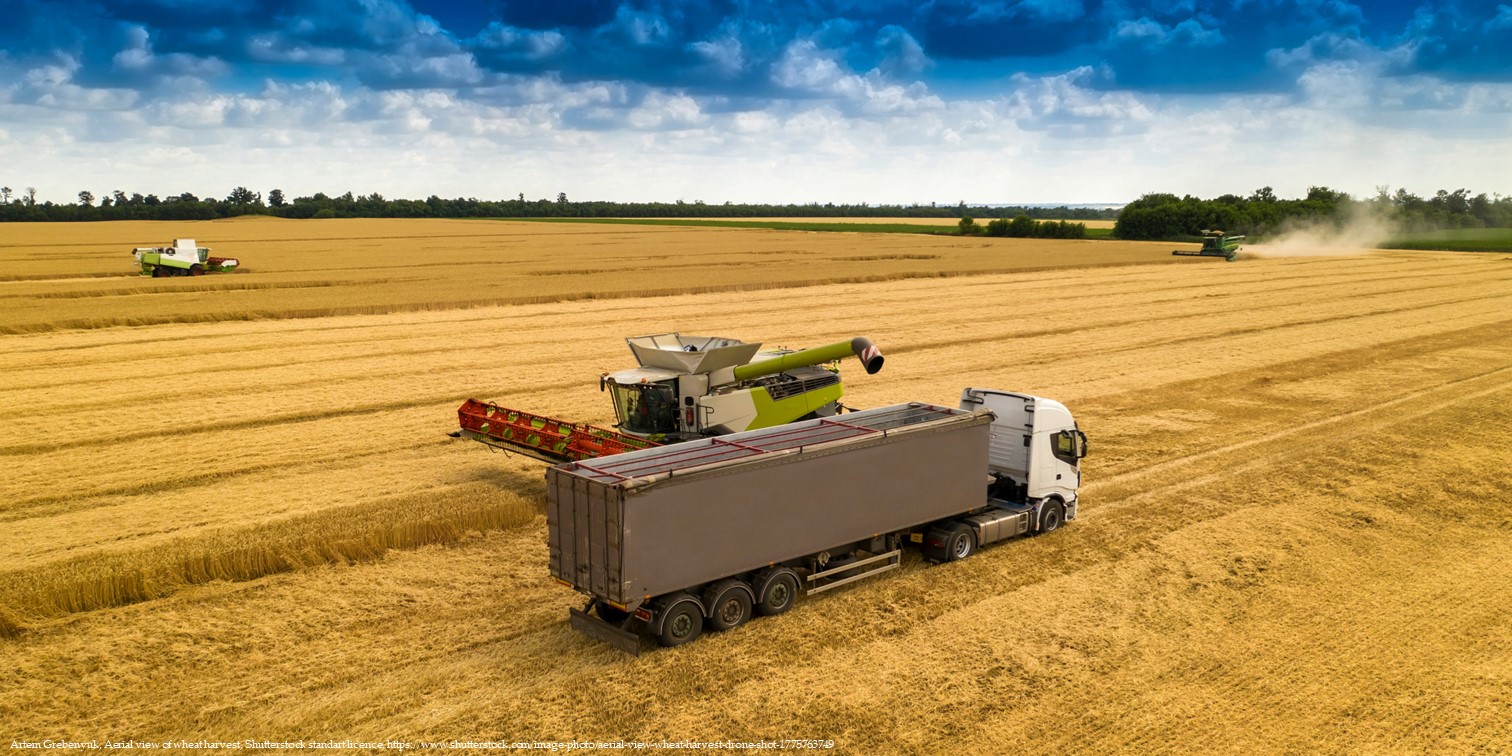
The conflict’s interruption of vital supply chains has highlighted the weaknesses intrinsic to interconnected global economies. A significant portion of worldwide wheat, corn, and sunflower oil exports originates from Eastern Europe and Russia. The World Food Programme reports that over 400 million individuals globally depend on food provisions from Ukraine and Russia. Obstructions in the Black Sea, damage to Ukrainian farming infrastructure, and Western punitive measures against Russia have triggered sharp increases in international food costs—pushing populations in Africa, the Middle East, and South Asia into greater food insecurity.
The energy sector has been equally impacted. In response to sanctions, Russia reduced or stopped gas deliveries to much of Europe. The sudden scarcity forced European nations to seek alternative suppliers, heavily investing in liquefied natural gas (LNG) facilities and renewable energy, and in some cases, temporarily reopening coal-fired plants. Germany, once reliant on Russia for over half of its gas imports, expedited plans for energy diversification and green transition, investing an estimated 200 billion euros. These adjustments have not only transformed the European energy market but have also altered the energy flows globally, raising LNG prices in Asia and Latin America.
Sanctions have also pressured global financial markets. The freezing of Russian assets, exclusion from international banking networks like SWIFT, and limitations on trade have contributed to market volatility and the re-routing of capital flows, as well as discussions about the future of global reserve currencies. Russia’s increased use of Chinese yuan for trade illustrates a slow but steady de-dollarization trend in certain bilateral exchanges.
Global Security and Defense Policy Implications
Global security policies have been reevaluated following the conflict in Ukraine. NATO’s enhanced cohesion has led to the most significant troop deployment in Eastern Europe since the alliance’s inception, and defense spending has seen a sharp rise. Germany, for example, declared an unprecedented increase, dedicating over 2% of its GDP to defense for the first time in many decades.
Nations beyond Europe have also observed this. Within the Indo-Pacific area, strategic planners in Japan, South Korea, and Taiwan regard the Ukraine conflict as a warning regarding the dangers of autocratic aggression. Administrations are exploring asymmetric defense mechanisms, sophisticated missile technology, and hybrid warfare approaches to discourage possible dangers.
Nuclear deterrence has reasserted its grim prominence. Russia’s overt nuclear saber-rattling led the United States and its allies to recalibrate risk assessments and has prompted global debates over nuclear missile posture, readiness, and arms control frameworks, such as the faltering New START Treaty.
Humanitarian and Social Fallout
The extent of human displacement has been astonishing. The United Nations High Commissioner for Refugees (UNHCR) stated that over eight million Ukrainians were displaced, leading to Europe’s most significant refugee crisis since World War II. Nearby nations such as Poland and Moldova shouldered the initial impact, but the broader consequences necessitated a unified global humanitarian response.
The conflict has also put a strain on the global aid system, which was already struggling due to other emergencies. It led to increased examination of how funds are distributed and highlighted the links between humanitarian and security challenges, with reports suggesting that secondary migration and human trafficking operations have become more prevalent.
The Fragility and Evolution of International Law
Russia’s incursion into a sovereign nation, marked by extensive proof of war crimes and horrific acts, has undermined the foundation of the post-World War II legal framework. The dependability of global legal tools like the Geneva Conventions and the International Criminal Court has faced scrutiny. The West’s extensive sanctions, confiscation of assets, and endeavors to prosecute war crimes have brought forth intricate issues concerning the global applicability and execution of international law. Concurrently, certain nations have leveraged these events to contend that international standards are inconsistently enforced, intensifying disagreements within entities such as the UN Security Council.
Future Pathways Amidst Ongoing Uncertainty
The conflict in Ukraine, extending beyond a regional dispute, represents a pivotal event that is redefining the course of the global order in the twenty-first century. Its wide-ranging effects highlight the complex distribution of power, the instability of energy and food supplies, the re-emergence of military partnerships, and the strain on international legal and humanitarian standards. As this confrontation persists, its implications for worldwide stability continue to evolve, necessitating ongoing adjustments from nations, institutions, and communities across the globe. The critical question that arises is how the international community will manage approaches to coexistence, deterrence, and endurance in a world fundamentally altered by the truths exposed and reshaped by the war in Ukraine.