

How did Alessandro Michele redefine Gucci?
Alessandro Michele’s time at Gucci stands as one of the most profound and triumphant changes in the history of high-end fashion. Taking on the role of creative director in January 2015, Michele’s insight rejuvenated Gucci’s brand image and sparked fresh trends that influenced the industry widely. By combining historical inspirations with gender fluidity, inclusivity, and extravagant design, he drove the Italian label to remarkable commercial and cultural triumphs.
Reviving Heritage with Eclecticism
Before Alessandro Michele, Gucci was associated with refined allure under creators like Tom Ford and Frida Giannini. Michele transformed this perspective by exploring the brand’s historical designs, bringing out themes like the double-G emblem, horsebit accents, and unique flower patterns. Instead of merely replicating these features, Michele combined them with modern, diverse inspirations: retro shapes, Renaissance art, and even quirky pop culture hints. His inaugural women’s line showcased this approach: models donned romantic blouses with bow ties, clashing patterns, and stylishly awkward eyewear, challenging conventional luxury norms.
Under Michele, Gucci’s visual language expanded, juxtaposing the classical with the unexpected. For example, his use of embroidered animals, mythological motifs, and vibrant colors redefined the brand’s signature look. Each collection narrated a complex story, marrying timeworn tradition with youthful, idiosyncratic expression.
The Growth of Gender Fluidity and Inclusiveness
One of the most impactful aspects of Michele’s work is his commitment to gender fluidity and inclusivity. Gucci runways under his leadership blurred boundaries: male models donned lace and pearls, women embraced tailored jackets and loafers. The unisex fragrance Gucci Mémoire d’une Odeur and campaigns featuring non-binary talent encapsulated the democratization of luxury fashion. Michele rejected rigid stereotypes, instead championing individuality and self-expression.
In advertising, the brand showcased diverse casting and unconventional beauty—a marked departure from previous eras dominated by hyper-glamorous, Eurocentric ideals. This approach resonated strongly with younger consumers and tapped into the broader movement for social change, giving Gucci profound cultural relevance.
Maximalism as a Fresh Criterion of Luxury
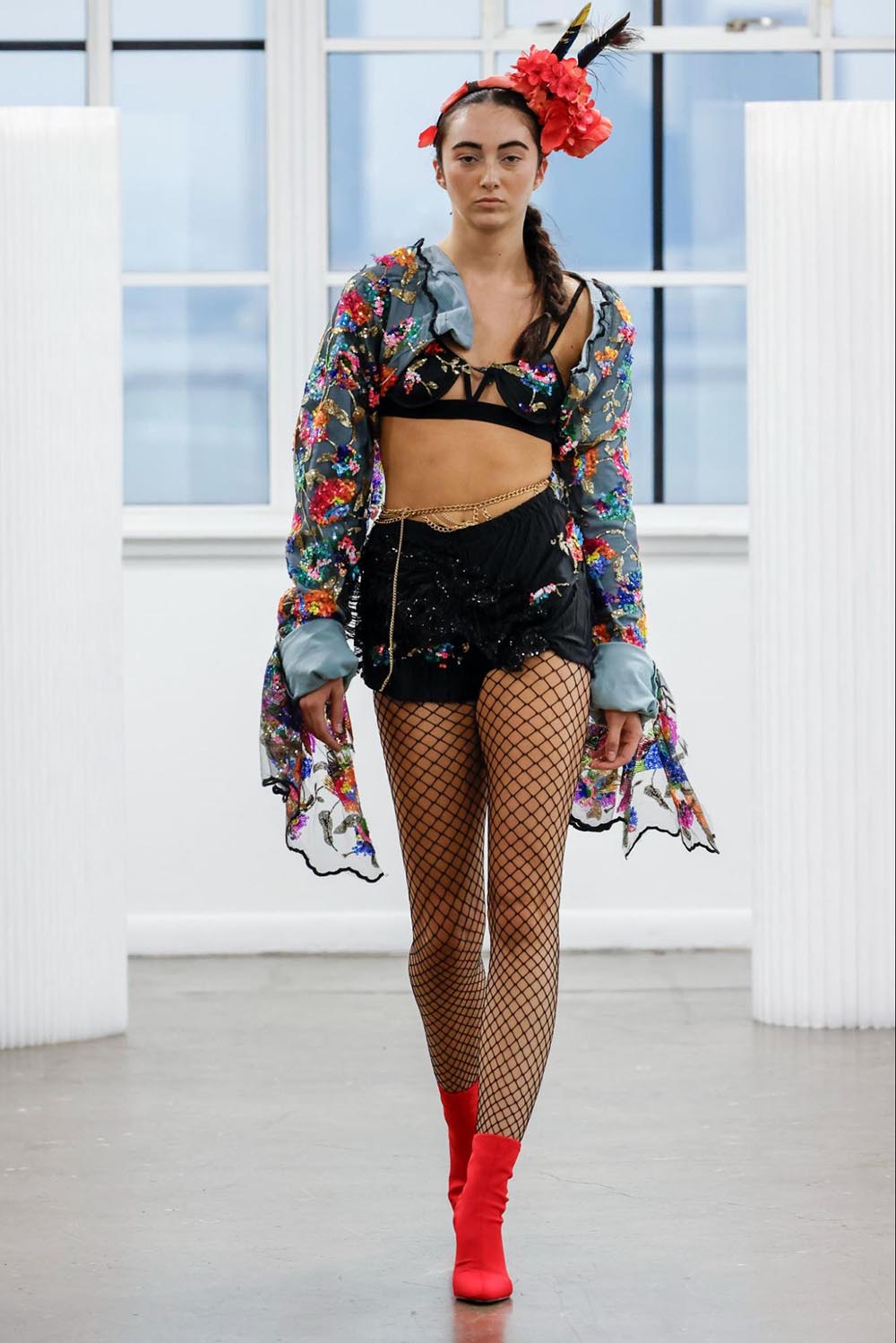
Michele took cues from the worlds of art, history, and urban fashion to create a vibrant and innovative perspective for Gucci. The philosophy of maximalism, characterized by an audacious acceptance of opulent design, was at the heart of his approach. Striking floral patterns, exquisite details, and rich brocades came together in eye-catching collections that captivated audiences worldwide.
For instance, the 2017 Fall/Winter collection featured models carrying replicas of their own heads and dragons, cementing Gucci’s identity as a house that rewards creativity and spectacle. Alessandro Michele successfully turned runway shows into theatrical performances, which attracted attention far beyond the confines of fashion press.
This maximalist approach extended beyond apparel. The label’s add-ons, such as large sunglasses, decorated purses, and sneakers with prominent logos, turned into key status indicators, driving Gucci’s accessory revenue to unprecedented levels.
Digital Innovation and Collaborations
Michele’s strategy incorporated digital innovation as a fundamental element of the brand’s plan. Gucci embraced a social-media-centric approach, turning Instagram into a showcase for the brand’s creativity and uniqueness. Michele personally played a role in the brand’s online narrative with behind-the-scenes photos, enigmatic symbols, and poetic descriptions.
Strategic collaborations further propelled Gucci’s redefinition. Partnerships with artists and brands, such as the ground-breaking collaboration with Dapper Dan or the capsule with The North Face, blurred boundaries between luxury and streetwear. These collaborations allowed Gucci to tap into niche audiences and reflect contemporary cultural conversations.
Commercial Impact and Global Resonance
Under Michele’s leadership, Gucci witnessed a rapid increase in both its sales numbers and brand visibility. Publicly available financial reports highlight that Gucci’s income more than doubled from 2015 to 2019, with a substantial portion of purchases made by younger buyers. Interestingly, a 2019 study by Bain & Company highlighted Gucci as one of the top brands favored by both Millennials and Gen Z.
The increase didn’t solely come from the product strategy; it was also due to the development of engaging brand experiences. Temporary shops, inventive showcase arrangements, and the Gucci Garden museum in Florence expanded the brand story into real-world environments, providing global audiences with original ways to connect with Gucci’s world.
Cultural Influence and Fashion Legacy
Michele’s style has significantly influenced the entire fashion industry. After his achievements, rival luxury brands adopted and reimagined aspects such as lavish embellishments, retro-inspired designs, and story-centered collections. Michele created a distinct visual language instantly identifiable at glamorous events, in popular street fashion images, and throughout digital media.
His belief that fashion deeply intertwines with individual identity and narrative remains influential in shaping industry conversations. The evolution of Gucci under his leadership illustrated that luxury has the potential to be provocative, emotive, and welcoming, breaking through long-standing established norms.
Reflective Synthesis
Alessandro Michele’s reimagining of Gucci went beyond redesigning garments and accessories, resulting in a comprehensive transformation of the brand’s character, principles, and interaction with the world. By blending tradition with boldness, promoting diversity, and embedding creativity and spectacle into each collection, he established a new model for achievement. Today, influenced by his vision, Gucci represents creativity, inclusivity, and cultural advancement—demonstrating that change, when grounded in authenticity and foresight, can celebrate heritage while exploring new frontiers.


