
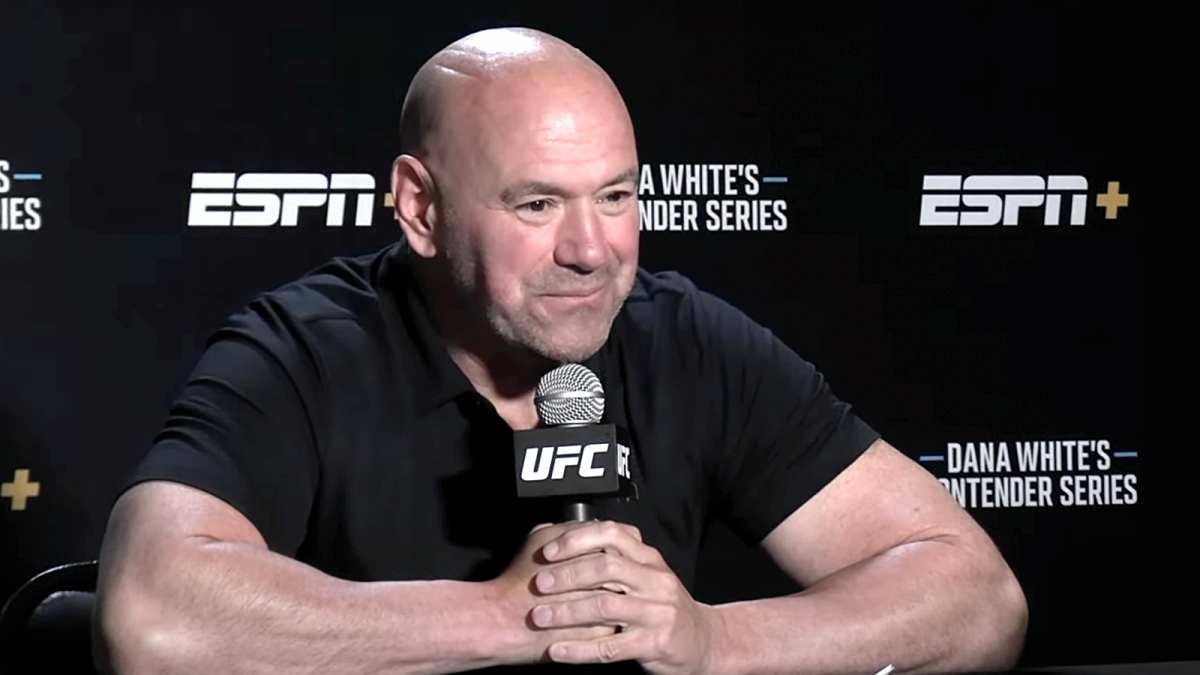

The Ultimate Fighting Championship (UFC) is set to stage a groundbreaking event at the White House, marking the first time a live combat sports competition will be held at the presidential residence. The announcement signals a new level of mainstream acceptance and political validation for mixed martial arts (MMA), a sport that was once on the fringe of American culture. This unprecedented event is more than a simple fight; it is a powerful symbolic gesture that elevates the sport’s status and cements its place in the American sporting landscape.
For many years, the UFC battled for recognition, confronting prohibitions and societal disapproval due to its violent nature. Nevertheless, as time progressed, the organization adopted stringent regulations and protective measures, turning MMA into a well-regulated and internationally acclaimed sport. This transition from a contentious exhibition to a dominant mainstream entity has been lengthy and challenging, and an event at the White House signifies the definitive peak of that endeavor. It is an occasion that will be permanently inscribed in the annals of the sport, highlighting its extraordinary development and significant cultural influence.
This event also highlights the growing political influence of the UFC and its president, Dana White. Over the years, the organization has cultivated relationships with politicians from both sides of the aisle. Fighters and executives have been frequent guests at presidential dinners and other political functions, but this upcoming event represents a different level of engagement. It’s a move that demonstrates a high degree of trust and recognition from the nation’s top office, solidifying the UFC’s position not just as a sporting entity, but as a significant cultural force in the country.
The logistical difficulties of organizing a fight at the White House are enormous. This event is expected to be more private compared to the large venues the UFC usually occupies. There is considerable speculation that the matches may occur on the South Lawn, complete with a specially constructed octagon and a restricted number of guests. Security will be of utmost importance, with the Secret Service and other entities collaborating to guarantee a smooth and safe occasion. This won’t resemble a usual pay-per-view event but will instead be an exclusive, distinguished assembly.
The cultural implications of this event are far-reaching. It’s a powerful statement that MMA, a sport born in a cage, has earned a seat at the table of American institutions. For years, the White House has hosted champions from traditional sports like baseball, basketball, and football. By extending this honor to the UFC, the administration is acknowledging the undeniable popularity and athletic merit of mixed martial arts. This is a moment of profound validation for all the fighters, coaches, and fans who have supported the sport through its tumultuous rise. The move also serves to further legitimize MMA in the eyes of a public that may still hold outdated perceptions of the sport. The visibility and prestige of a White House event will inevitably introduce a new audience to the sport, potentially converting skeptics into fans.
The history of fighting sports within the realm of politics is intricate. Take boxing, for example, which boasts a lengthy record of presidential support, with enthusiasts like Theodore Roosevelt. Yet, no president has ever staged a live boxing event at the White House. This renders the UFC’s occasion remarkably unique and highlights the sport’s distinct power to engage and sway audiences. Drawing parallels with boxing is fitting, as both have long battled for widespread recognition, but the UFC’s swift rise and straightforward access to the nation’s top office is a contemporary occurrence.
Additionally, the announcement of the event coincides with the UFC experiencing unprecedented popularity. The organization has obtained valuable media agreements, broadened its international presence, and created some of the most prominent figures in athletics. By organizing an event at the White House, the UFC is not only showcasing its achievements but also affirming its longevity. It sends a strong signal globally that MMA is a lasting phenomenon, backed by its political and cultural influence. The event represents a convergence of perfect timing, political clout, and a sport at the height of its dominance.
For the athletes, having the chance to perform at the White House is an incomparable distinction. Although they might not be contending for a title in this particular case, the venue’s prestige will render it one of the most significant experiences of their professional lives. It’s an opportunity to become part of history, symbolizing their sport on a platform that has welcomed world leaders, diplomats, and cultural figures. This will surely enhance their drive and sense of accomplishment during their display, making it an unmissable event for avid followers and interested spectators alike.
The consequences for the wider sports sector are substantial as well. The UFC’s event at the White House might establish a new benchmark for various sports, especially those not usually seen as part of the “big four.” It shows that with sufficient cultural influence and political insight, any sport can achieve top-tier acknowledgment. This might open the door for other developing sports to attain comparable exposure and respectability, altering what is viewed as a “mainstream” American activity.
The UFC’s plan to host a live fight at the White House is a monumental moment for mixed martial arts. It’s a story of a sport’s journey from the shadows to the spotlight, of its political rise, and its cultural triumph. The event will be a historic first, a symbol of MMA’s mainstream acceptance, and a testament to the enduring power of sports to captivate and unite. As the date for the event approaches, the world will be watching, not just to see who wins the fights, but to witness a significant chapter being written in the history of both sports and politics.


