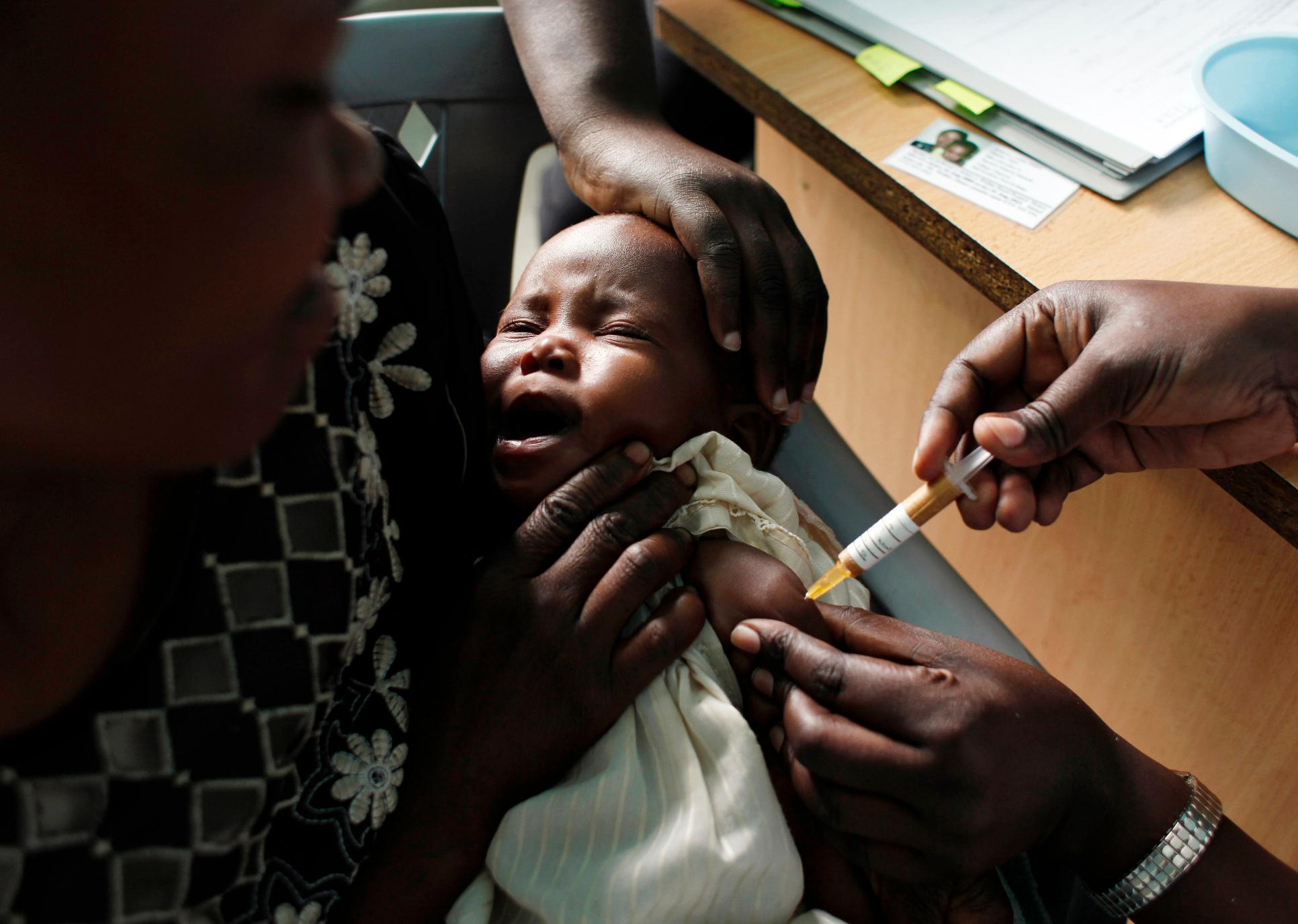

In a significant development for global health, a groundbreaking treatment for malaria has been officially approved for use in infants, offering new hope in the fight against one of the world’s deadliest diseases. This milestone marks the first time a malaria treatment specifically designed for babies has received regulatory clearance, opening the door to better prevention and management of the disease in one of its most vulnerable populations.
Malaria, a life-threatening illness caused by parasites transmitted through the bites of infected mosquitoes, continues to claim hundreds of thousands of lives each year, with the majority of deaths occurring in sub-Saharan Africa. Children under the age of five are particularly at risk, accounting for a substantial portion of malaria-related fatalities. Until now, treatment options for infants have been limited, often relying on adapted versions of therapies intended for older children or adults. The introduction of a dedicated treatment specifically tailored for babies represents a major leap forward in addressing this gap.
The newly approved therapy offers a carefully calibrated dosage and formulation that is safe and effective for infants, taking into consideration the unique physiological needs and sensitivities of babies. This approval follows years of clinical research and trials aimed at ensuring both the safety and efficacy of the medication when administered to children under 12 months of age. The positive outcome of these studies has paved the way for health authorities to give the green light for its use.
The battle against malaria has substantially advanced over the last twenty years, as global efforts, the broad adoption of insecticide-treated bed nets, and the enhanced availability of rapid diagnostic tests have all helped decrease infection rates in various areas. Nevertheless, malaria continues to be a constant danger, especially in low-income nations where healthcare infrastructure might be inadequate. The implementation of a treatment designed for infants provides an essential addition to the current tools, with the potential to save numerous young lives annually.
One of the key challenges in treating malaria in infants lies in the unique vulnerabilities of this age group. Babies have immature immune systems and metabolize medications differently than older children or adults, making it essential to develop treatments that are both gentle and effective. Standard antimalarial medications, while effective for older populations, carry risks when used in very young children without proper dosage adjustments. The newly approved treatment addresses this issue by providing a formulation that delivers the correct therapeutic effect without undue risk.
Public health professionals have praised this advancement, highlighting that increasing the availability of successful treatments for every age demographic is crucial for meeting worldwide malaria eradication objectives. The World Health Organization (WHO) has consistently stressed the significance of prioritizing the populations most at risk, particularly young children, who suffer disproportionately from severe malaria cases. Directing suitable treatments towards this susceptible group can lower the overall impact of the illness and save more lives.
The importance of this approval goes beyond just immediate health improvements. Malaria is not merely a significant public health issue but also poses an economic hurdle for impacted nations. The illness leads to decreased productivity, heightened healthcare expenses, and economic instability in areas where it commonly occurs. By protecting the youngest members of society with efficient treatment, the long-term economic repercussions of the disease can be lessened.
The recently introduced treatment has been created through joint efforts involving international health agencies, drug scientists, and financial contributors dedicated to eliminating malaria. This cooperative framework highlights the significance of worldwide collaboration in tackling intricate health issues. Monetary backing from governmental bodies, non-profit entities, and private industry collaborators has played a crucial role in making this advancement a reality.
Besides treatment, preventing malaria continues to be a fundamental aspect of public health strategies. Using mosquito nets, spraying inside homes, and educating communities are still crucial in decreasing malaria cases. The introduction of an efficient treatment for young children enhances these preventive actions, guaranteeing that infections can be quickly and safely managed when they arise.
The authorization of this treatment for infants also underscores the significance of involving young children in the creation of new drugs. Traditionally, medical research has concentrated mainly on adult groups, with pediatric aspects incorporated subsequently. Nonetheless, this strategy may result in considerable deficiencies in healthcare for kids, especially in areas where illnesses such as malaria are widespread. By putting more focus on children’s requirements from the beginning, the international health community can guarantee that kids are not overlooked in the pursuit of improved therapies.
As the recently sanctioned treatment becomes accessible, initiatives should be directed towards its distribution, cost-effectiveness, and availability. Making sure healthcare practitioners in isolated or less served areas can obtain the medication, coupled with adequate training on its application, will be vital to enhancing its potential to save lives. Health authorities, NGOs, and governments will have crucial roles in implementing the treatment in a manner that benefits those who require it most.
The challenge of drug resistance remains a significant concern in the persistent battle against malaria. Over time, resistance to certain antimalarial medications has arisen in different regions worldwide, endangering advancements. Ongoing investment in research and observation will be essential to track the success of current therapies and to create new ones as required. The authorization of this new pediatric remedy signifies not just a medical success but also a continuing dedication to outpacing the disease through innovation and alertness.
Interaction with the community and educational efforts will also be crucial for the successful implementation of this novel therapy. In numerous areas afflicted by malaria, local customs, traditions, and the availability of information heavily affect healthcare decisions. Promoting understanding of the importance of diagnosing malaria early and administering timely treatment to infants will ensure that the new drug is applied effectively and correctly.
As malaria continues to evolve as a global health challenge, the approval of a dedicated treatment for babies represents a beacon of progress. It demonstrates that targeted interventions can make a real difference, especially when they are designed with the specific needs of vulnerable populations in mind. While there is still much work to be done to eliminate malaria entirely, this achievement brings the world one step closer to that goal.
The future of malaria treatment and prevention will likely involve a combination of approaches, including the continued use of vaccines, new medications, and enhanced vector control measures. Each of these elements plays a role in a comprehensive strategy to eradicate the disease. The addition of a safe and effective treatment for infants strengthens this multifaceted approach and serves as a reminder of what can be accomplished through sustained effort, innovation, and global collaboration.
The approval of the first malaria treatment specifically for babies is a momentous step in global health, offering new hope to families and communities affected by the disease. It signals progress not only in medical science but also in the collective will to protect the most vulnerable members of society from preventable illnesses. As this new treatment reaches the hands of healthcare providers around the world, it has the potential to save countless lives and to move the world closer to a future free from the burden of malaria.