
Emerging Trends in Wellness and Mindfulness Businesses
The global landscape of wellness and mindfulness businesses has transformed dramatically in recent years, driven by increased consumer awareness, technological innovation, and a growing emphasis on mental health. As society continues to prioritize personal well-being, certain niches within the wellness sector are displaying notable growth and resilience. Understanding which businesses are thriving provides valuable insight into current consumer priorities and the evolving nature of holistic self-care.
Digital Wellness Platforms and Mobile Apps
One of the most prominent success stories is the rise of digital wellness platforms and mobile applications. These include guided meditation apps, virtual yoga classes, sleep aid tools, and integrated health coaching services. Market leaders like Headspace and Calm have witnessed exponential growth, with Headspace reporting over 70 million downloads globally and partnerships with corporations to support employee well-being. These platforms typically offer structured programs, personalized mindfulness reminders, and analytics-driven insights tailored to individual users.
Apart from mainstream platforms, specialized applications designed for particular audiences—including mindfulness tools for kids, digital assistance for new mothers, and meditation guides for older adults—are growing quickly. This focused strategy guarantees that wellness remains reachable and relevant across a wide range of ages and phases of life.
Wellness Retreats and Experiential Travel
Wellness retreats that integrate mindfulness practices with immersive experiences are another thriving segment. Organizations like The Ranch Malibu and Miraval Resorts blend mindfulness, physical fitness, nutrition, and digital detox in breathtaking natural settings. Post-pandemic, demand for safe, restorative travel has triggered double-digit growth in this sector. Reports indicate that global wellness tourism is expected to reach $1.2 trillion by 2027, as more travelers seek transformative, health-focused journeys.
Corporate retreats centered on wellness have also gained traction. Companies increasingly recognize the value of group mindfulness sessions, which foster team cohesion, reduce workplace stress, and promote creative thinking. These retreats blend expert-led workshops, therapeutic activities, and structured downtime for optimal benefit.
Teletherapy and Virtual Counseling
The democratization of psychological support via teletherapy and virtual counseling services signifies a profound transformation. Organizations like BetterHelp and Talkspace depend on certified professionals alongside private, on-demand meetings available through mobile devices and desktop computers. Over the past three years, BetterHelp’s consumer network exceeded 2 million globally, reflecting a wider cultural movement toward reachable, stigma-free mental health maintenance.
At the same time, online coaching enterprises focused on wellness, life, and executive guidance have grown, delivering tailored support and structured accountability. Emerging businesses within this sector, including Ginger, merge artificial intelligence with human knowledge to boost user participation and results.
Holistic Nutrition and Healthy Food Services
Nutrition-focused businesses, offering plant-based meal kits, adaptogenic supplements, and personalized nutrition plans, are thriving due to growing consumer interest in holistic health. Companies such as Sakara Life and Daily Harvest connect the dots between mindful eating, environmental sustainability, and overall wellness. Transparency, ethical sourcing, and scientific validation of ingredients are key selling points highlighted in marketing strategies.
Further, the surge of functional beverages—such as those fortified with probiotics, CBD, vitamins, or nootropics—has drawn the focus of city dwellers pursuing simple yet powerful methods to enhance their health. Turmeric-infused juices, kombucha, and mushroom-based options are readily accessible across both traditional retail outlets and direct-to-consumer platforms.
Corporate Wellness Programs
As workplace stress emerges as a leading cause of employee turnover and inefficiency, companies are investing in comprehensive wellness programs. These services often blend mindfulness training, meditation rooms, fitness challenges, and mental health days. B2B platforms like Virgin Pulse and Limeade deliver customizable wellness modules designed to boost participation and track measurable outcomes. Research shows that businesses with robust wellness programs report higher employee engagement and reduced absenteeism by up to 25%.
Emerging B2B trends include digital platforms that integrate biometric screening, gamified wellness initiatives, and AI-powered recommendations for improving daily habits. These offerings position corporate clients not just as employers, but as active partners in personal well-being.
Wearable Technology and Mindfulness Devices
The intersection of technology and mindfulness has propelled the growth of wearable health devices. Products like the Oura Ring, Apple Watch, and Whoop band provide users with real-time feedback on stress levels, sleep patterns, respiration, and other biomarkers. These insights empower individuals to practice self-regulation and mindfulness more effectively.
Specialized devices, such as Muse headbands, use EEG sensors to monitor brain activity during meditation and offer live feedback for optimizing sessions. The implementation of biofeedback and personalized goal tracking helps transform mindfulness into a quantifiable daily habit.
Community-Based Studios and Hybrid Wellness Spaces
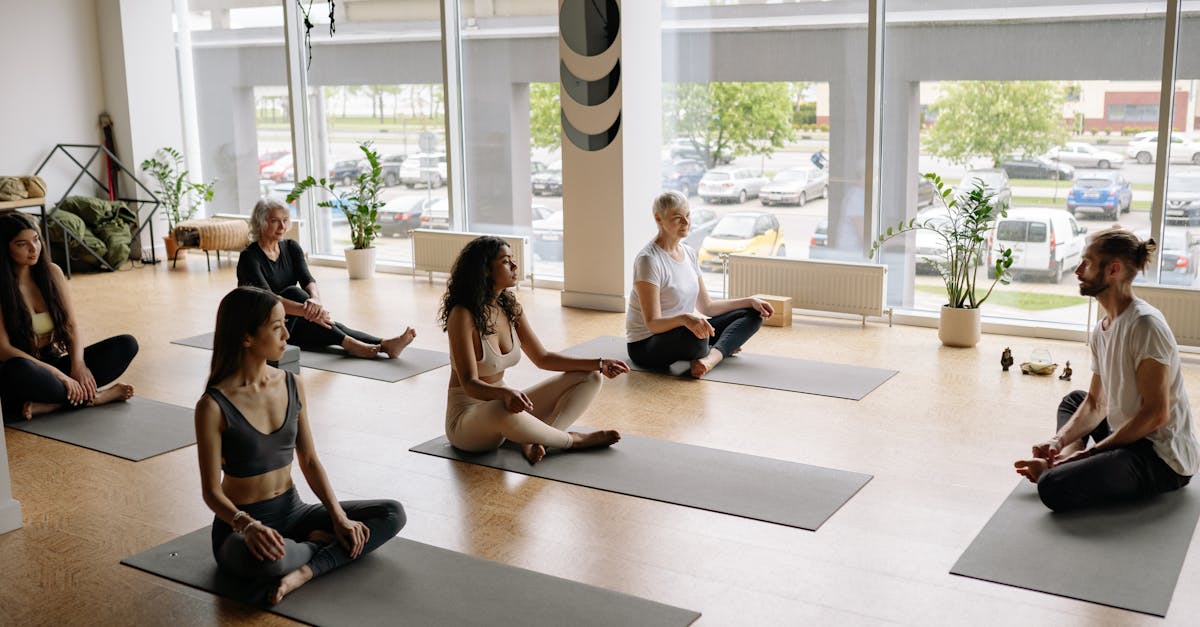
Physical spaces still play a crucial role in community-oriented wellness businesses, especially those adopting a hybrid model. Yoga studios, Pilates centers, and meditation hubs that blend in-person with livestream classes are thriving in urban centers. Brands like CorePower Yoga and The Mindfulness Center responded to shifting consumer needs by expanding digital memberships while maintaining the tactile benefits of communal practice.
Holistic self-care is successfully promoted by collaborative wellness hubs that bring together massage therapy, acupuncture, sound healing, and nutrition coaching beneath a single roof. A competitive edge is carved out within a crowded market by these enterprises through their unique blend of skilled professionals, fostering of community, and diverse array of services.
As advancements in technology, shifts in workplace culture, and a global emphasis on mental health converge, the wellness and mindfulness industry continues to diversify. The most successful businesses are those that seamlessly blend personal connection, convenience, scientific rigor, and inclusivity. Whether through digital innovation, immersive travel, nutrition, or wearable technology, entrepreneurs and established players are reshaping what it means to be well in a fast-paced world.
The new era of wellness resonates with individuals across all walks of life, creating pathways to balance, resilience, and mindful living—a testament to humanity’s enduring pursuit of holistic health.