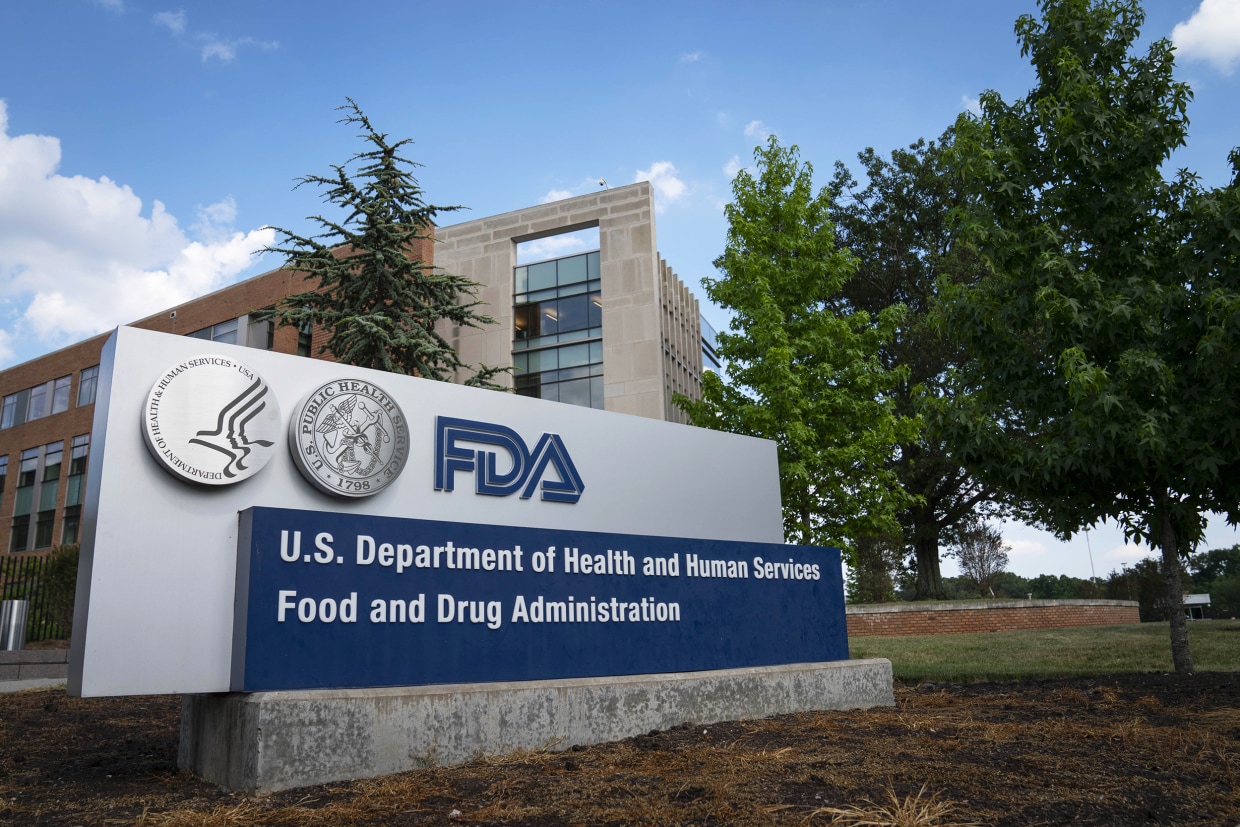

The recent announcement by the Food and Drug Administration (FDA) regarding unapproved thyroid medications has created a complex and, at times, contradictory situation for both patients and healthcare providers. On one hand, the agency has issued a strong warning about the safety risks associated with these drugs, primarily a category of “animal-derived thyroid” (ADT) products. On the other hand, the FDA has stated its intention to “ensure access” to these very same medications, at least for a transitional period. This dual message reflects the delicate balance the FDA must strike between its mandate to ensure public safety and its responsibility to prevent disruption to a crucial and widely used medication supply. The FDA’s recent actions have sent a ripple of concern through the patient community, many of whom have used these medications successfully for years.
Los medicamentos en cuestión, comúnmente llamados extracto de tiroides desecado (DTE) y vendidos bajo marcas como Armour Thyroid y NP Thyroid, tienen una extensa trayectoria en los Estados Unidos. Estos fueron utilizados ampliamente antes de que se dispusiera de alternativas sintéticas y fueron “eximidos”, lo que significa que se les permitió ser comercializados sin pasar por el estricto proceso de aprobación moderno. Aunque la levotiroxina sintética (como Synthroid) es el tratamiento preferido para el hipotiroidismo y es utilizada por la gran mayoría de los pacientes, una parte considerable de la población—estimada en 1.5 millones de personas—sigue tomando los productos de origen animal. Muchos de estos pacientes creen que la combinación de hormonas T3 y T4 presente en estos medicamentos de fuente natural ofrece un tratamiento más completo para sus síntomas que solo la T4 sintética.
The FDA’s primary concern with these unapproved medications is their lack of consistency and quality control. Unlike FDA-approved drugs, which are subject to strict manufacturing standards to ensure that every pill contains a precise and consistent dose, the animal-derived products have been found to have variable potency. This inconsistency poses a serious risk to patients, as a dose that is too low can lead to persistent symptoms of hypothyroidism, while a dose that is too high can cause a cascade of adverse effects, including heart problems. The FDA has also cited concerns about potential impurities in these medications, which are made from dried and ground animal thyroid glands, as a reason for their regulatory action.
However, the FDA’s simultaneous promise to ensure access is a critical part of its communication. The agency recognizes that suddenly pulling these medications from the market would cause widespread patient disruption and could lead to a public health crisis. Many patients have been on these specific medications for years, and a forced transition to a synthetic alternative could be difficult. The FDA has acknowledged this by stating that it will not take immediate enforcement action against manufacturers, distributors, and importers. This grace period is designed to give healthcare providers ample time to work with their patients to safely transition to an FDA-approved medication.
Esta situación resalta el amplio desafío que enfrenta la FDA al regular medicamentos antiguos y no aprobados que tienen una larga trayectoria de uso y una base de pacientes fieles. Para un paciente que se siente bien con un medicamento específico, la advertencia de la FDA sobre su estado no aprobado puede resultar confusa e incluso preocupante. Estos pacientes pueden sentir que la agencia está priorizando la burocracia regulatoria sobre su bienestar personal. Esta percepción es a menudo alimentada por evidencia anecdótica y grupos de defensa de pacientes que sostienen que los medicamentos no aprobados son una opción de tratamiento esencial y efectiva para aquellos que no responden bien al T4 sintético.
The FDA’s actions are not unprecedented. In the past, the agency has taken a gradual, phased approach to addressing unapproved drugs to prevent market disruptions. This current situation with the ADT medications follows a similar pattern, where the agency announces its intention to take action but provides a long transition period. This strategy allows the FDA to uphold its regulatory authority and public safety mandate while minimizing the potential negative impact on patients who rely on these drugs. The agency is walking a fine line, attempting to correct a decades-long regulatory anomaly without causing a public health emergency.
The decision to reclassify the animal-derived thyroid products as “biologics” is a key part of the FDA’s regulatory strategy. This reclassification subjects them to a different, and in some ways more stringent, approval process. While the FDA has not set a firm deadline, it has stated that manufacturers will eventually need to file a Biologics License Application (BLA) to continue marketing their products.
This is a complex and expensive process, and it remains to be seen whether any of the manufacturers of these older medications will be willing or able to go through with it. For now, the future of these drugs remains uncertain, but the FDA’s latest announcement has made it clear that their days of being sold without formal approval are numbered.