Blog

The dilemmas of content moderation online

Content Moderation’s Toughest Choices Online

Online content moderation sits at the intersection of technology, law, business incentives, and human values. Platforms must balance the protection of users from harm with respect for free expression, operate across thousands of jurisdictions, and make split-second decisions at a scale of millions or billions of posts. The result is a set of persistent dilemmas: what to remove, what to label, how to enforce rules consistently, and who decides.Key dilemmas clarifiedSafety versus free expression. Tight enforcement reduces harm from harassment, hate, and misinformation, but it risks removing legitimate political debate, satire, or minority viewpoints. Conversely, permissive approaches can enable real-world…
Read More
Who controls data and why that equals power

The Power of Data: Who’s in Charge?

Data is not neutral raw material; it is a strategic asset. The entity that collects, stores, analyzes, and governs large, high‑quality data sets gains economic advantage, political influence, and operational control. That concentration of capability — to predict behavior, set markets, shape information flows, and make decisions at scale — is what turns data into power.Key actors who control dataBig technology platforms: Companies spanning global search, social networks, cloud ecosystems, and ecommerce services accumulate vast volumes of behavioral, transactional, and location-based information derived from billions of users and activities.Governments and regulators: States gather identity, taxation, health, telecom, and surveillance records,…
Read More
Trump’s damage is done. Democrats – and Europe – are struggling to define what’s next

Trump’s Lingering Effects: Democrats & Europe’s Quest for What’s Next

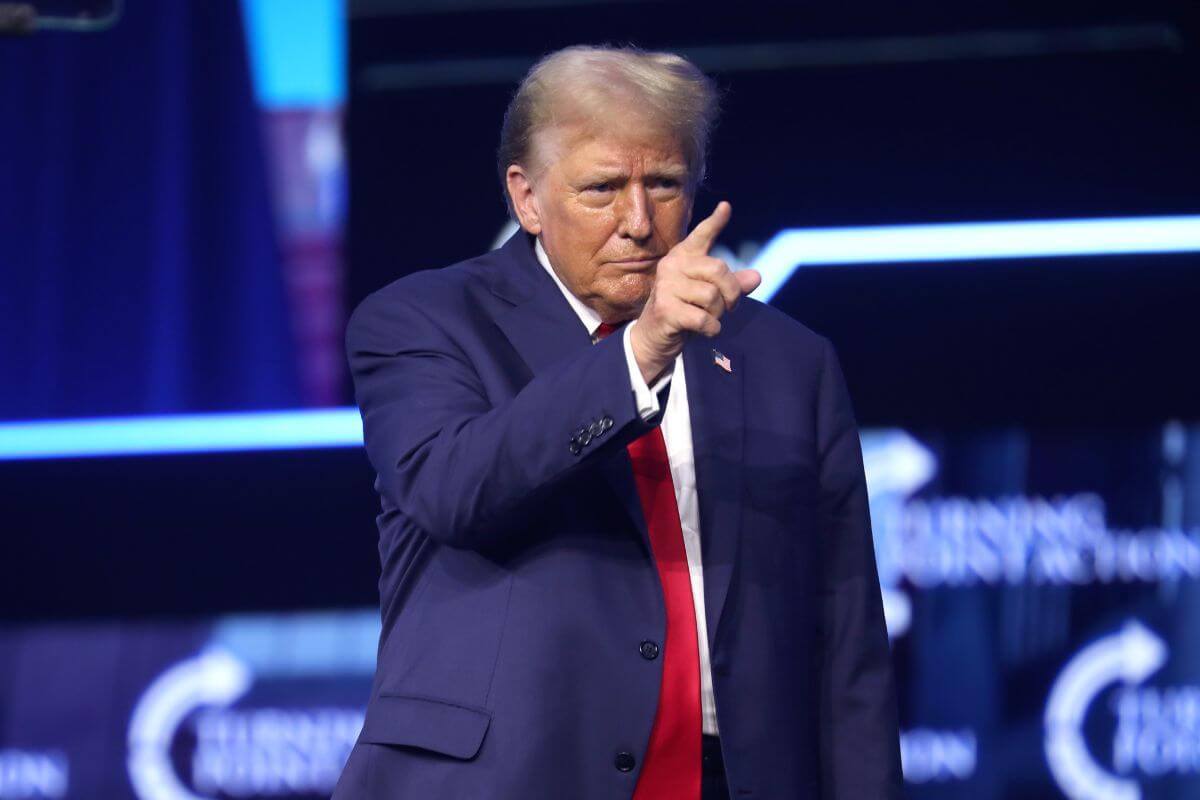
At the Munich Security Conference, several prominent Democrats signaled presidential ambitions while facing a sobering message from Europe: the transatlantic relationship may never return to its previous form. As global alliances strain under renewed nationalism and geopolitical rivalry, questions about America’s leadership loom over the 2028 race.The annual gathering at the Munich Security Conference has long served as a proving ground for aspiring statesmen. For decades, American presidents and would-be presidents traveled to the Bavarian capital to affirm Washington’s commitment to Europe and to reinforce the idea that the United States stood at the helm of the Western alliance. This…
Read More
Why power grids are a bottleneck for clean energy

Is the Power Grid Slowing Clean Energy?

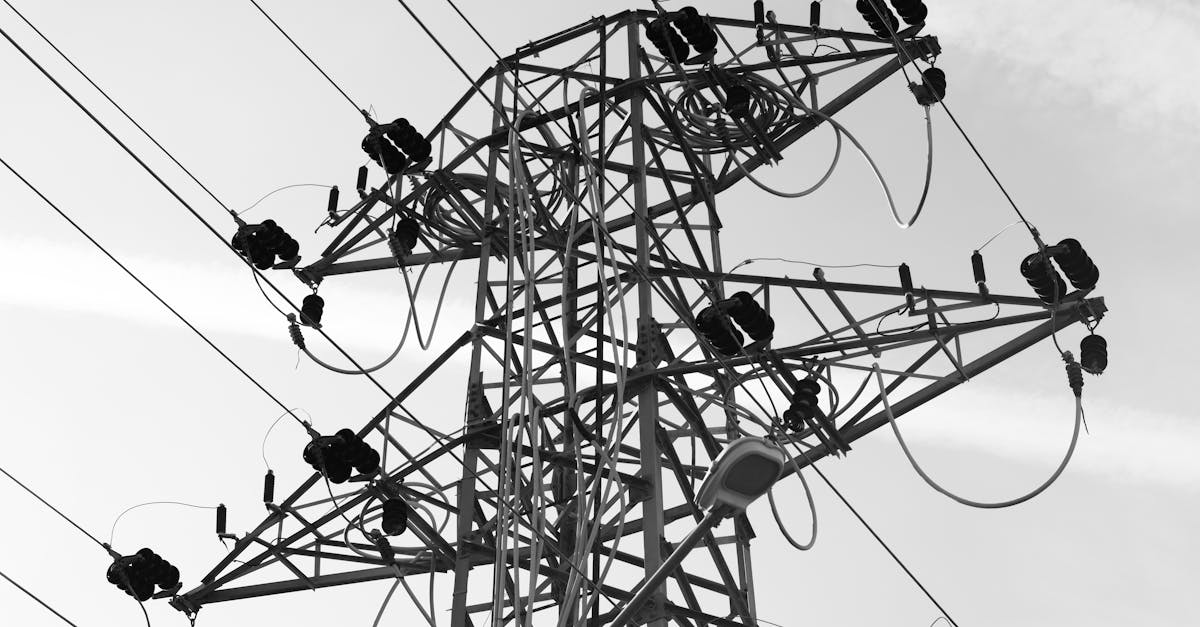
The move toward low‑carbon electricity depends on grids being able to transfer, regulate, and oversee far greater and more unpredictable energy volumes than they were originally designed to handle, and these systems are repeatedly constrained by technical limits, entrenched practices, regulatory hurdles, and societal pressures. This article describes how that bottleneck functions, highlights real examples that reveal its impact, and presents practical ways to accelerate meaningful progress.How the grid’s physical design collides with clean generationGeography and resource mismatch. The best wind and solar sites are often far from demand centers. Offshore and remote wind farms, desert and high-sun regions create…
Read More
How cities prepare for more intense heat waves

How cities prepare for more intense heat waves

Cities worldwide are encountering heat waves that occur more often, last longer and reach higher temperatures as climate change pushes up average heat levels and intensifies extremes, and urban environments remain particularly at risk because the urban heat island effect traps warmth: paved areas, tightly packed structures and limited greenery can elevate local temperatures by 1–7°C compared with nearby rural zones. Addressing this evolving reality calls for a combination of short-term emergency responses, long-range strategies, infrastructure enhancements, public health actions and community-centered equity initiatives.The challenge: why intense heat waves are a growing urban riskHeat waves increase risks of heat illness,…
Read More
Italians furious over deployment of ICE agents to bolster US security at Winter Olympics

ICE Agents at Olympics Spark Italian Anger

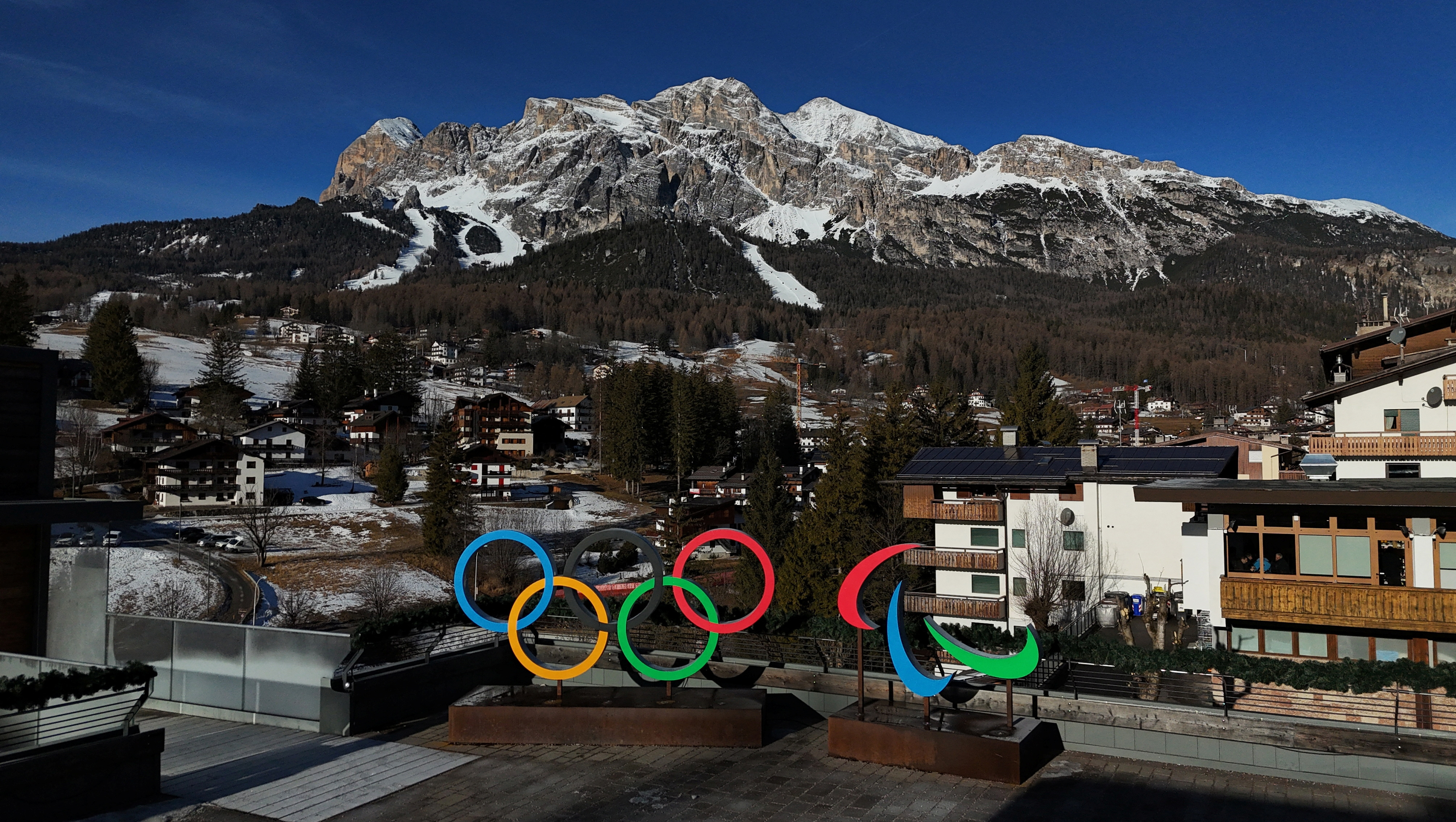
The presence of U.S. Immigration and Customs Enforcement (ICE) personnel in Italy ahead of the upcoming Winter Olympics is raising heightened concern among both lawmakers and the wider public, as debates intensify over jurisdictional authority, security methods, and previous incidents reported in the U.S.The Italian government faces mounting attention after reports surfaced that ICE officers are set to assist with security at the Milan-Cortina Winter Olympics, a development that has revived debates over the presence of foreign law enforcement in Italy, especially in light of recent violent episodes tied to ICE activities in the United States.The U.S. Department of Homeland…
Read More
Why energy keeps getting used as a geopolitical tool

How Energy Shapes Geopolitical Dynamics

Energy extends far beyond fuel and electricity, serving as the foundation for industry, transportation, household well-being, and military strength. Because of this central role, it becomes a particularly powerful instrument in international affairs. Governments, corporations, and nonstate actors leverage supply, pricing, infrastructure, regulation, and technological oversight to pursue strategic objectives. This behavior endures due to four persistent factors: the uneven global distribution of resources, the long lifespan of infrastructure and contractual arrangements, the rapid economic strain caused by supply disruptions, and the wide-ranging ripple effects on alliances and domestic political dynamics.Fundamental dynamics shaping energy geopoliticsSupply manipulation: producers may restrict or…
Read More
Why energy keeps getting used as a geopolitical tool

The Unending Story of Energy as a Geopolitical Tool

Energy extends far beyond fuel and electricity, serving as the foundation for industry, transportation, household well-being, and military strength. Because of this central role, it becomes a particularly powerful instrument in international affairs. Governments, corporations, and nonstate actors leverage supply, pricing, infrastructure, regulation, and technological oversight to pursue strategic objectives. This behavior endures due to four persistent factors: the uneven global distribution of resources, the long lifespan of infrastructure and contractual arrangements, the rapid economic strain caused by supply disruptions, and the wide-ranging ripple effects on alliances and domestic political dynamics.Fundamental dynamics shaping energy geopoliticsSupply manipulation: producers can cut or…
Read More
Why energy keeps getting used as a geopolitical tool

How Energy Shapes Geopolitical Dynamics

Energy is more than fuel and electricity: it underpins industry, transport, household welfare, and military capability. That centrality makes energy an unusually effective lever in international politics. States, companies, and nonstate actors use supply, price, infrastructure, regulation, and technological control to advance strategic aims. The practice persists because of four enduring features: uneven resource distribution, long-lived infrastructure and contracts, the immediacy of economic pain when supplies are constrained, and the broad knock-on effects on alliances and domestic politics.Fundamental dynamics shaping energy geopoliticsSupply manipulation: producers can cut or divert exports to create shortages or punish partners. This is done overtly through…
Read More
Why information manipulation threatens democratic stability

How Information Manipulation Endangers Democracy

Democratic stability depends on informed citizens, trustworthy institutions, contested but shared facts, and peaceful transitions of power. Information manipulation — the deliberate creation, distortion, amplification, or suppression of information to influence public opinion or behavior — corrodes those foundations. It does so not only by spreading falsehoods, but by reshaping incentives, degrading trust, and weaponizing attention. The risk is systemic: weakened elections, polarized societies, eroded accountability, and an environment in which violence and authoritarianism gain traction.How information manipulation functionsInformation manipulation emerges through several interlinked mechanisms:Content creation: invented or skewed narratives, modified images and clips, and synthetic media engineered to mimic…
Read More