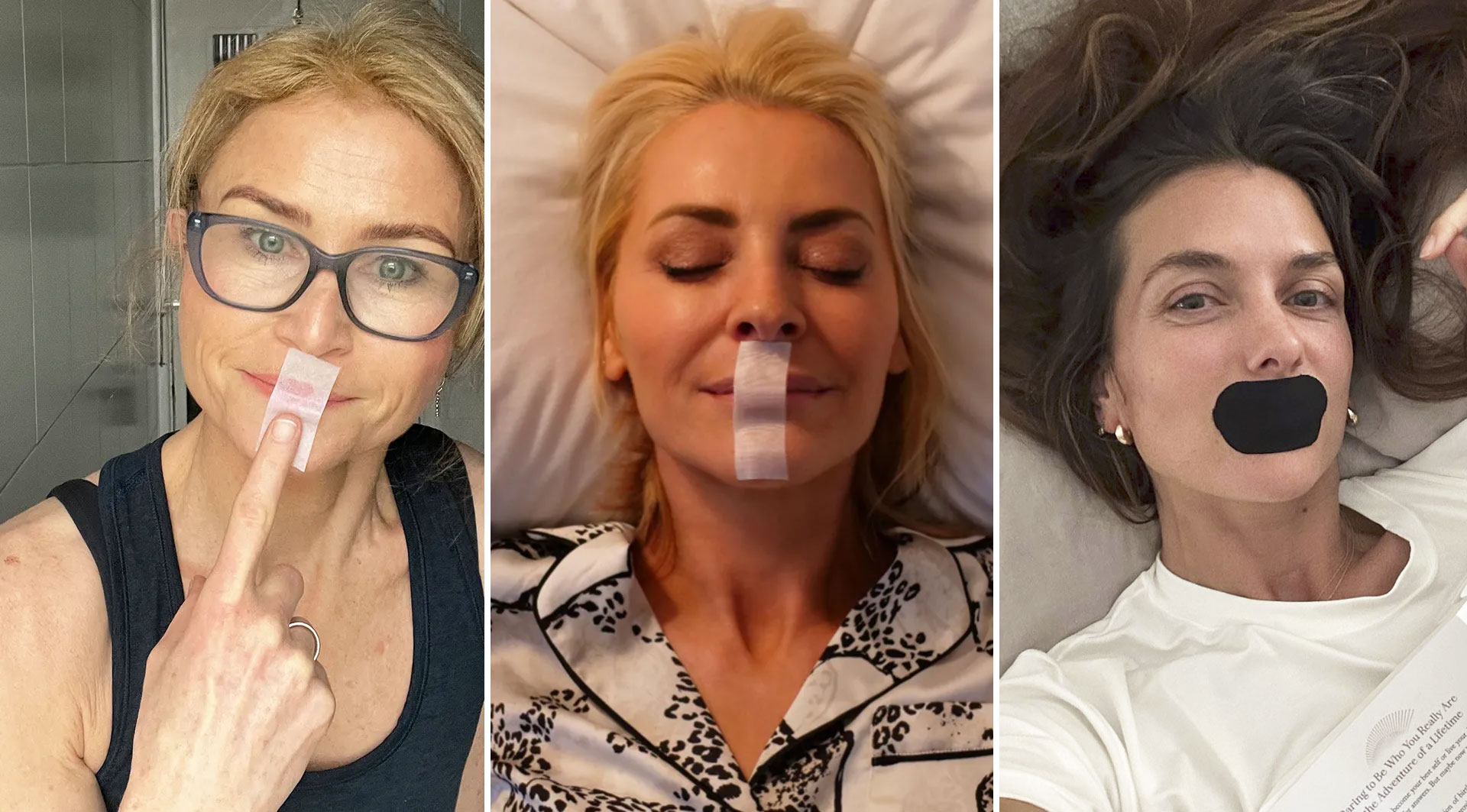

In the ongoing quest for better sleep and overall wellness, mouth taping has emerged as an unconventional yet increasingly popular practice. Promoted by some as a simple technique to improve breathing, enhance sleep quality, and reduce certain health risks, mouth taping involves placing a small piece of medical tape over the lips during sleep to encourage nasal breathing. While the idea has attracted attention on social media, in wellness circles, and even among some healthcare professionals, it is important to take a closer look at both the potential benefits and the possible downsides of this practice.
Mouth taping focuses on the notion that breathing through the nose, instead of the mouth, presents numerous health benefits. Supporters claim that nasal breathing during sleep enhances oxygen exchange, more effectively filters airborne particles, and preserves ideal moisture levels in the airways. In contrast, habitual mouth breathing is linked to issues like dry mouth, snoring, sleep disruptions, and even dental concerns. Therefore, proponents of mouth taping believe that this straightforward technique can assist in retraining the body to breathe properly, especially at night when individuals are less aware of their breathing patterns.
One well-known advantage of sealing the mouth with tape is its possible ability to lessen snoring. Snoring often arises due to vibrations in the upper airway when airflow is blocked. Breathing through the mouth, particularly when the mouth opens during sleep, can worsen this problem. By softly urging the lips to stay shut, taping the mouth might aid in encouraging quieter, nasal breathing, which some people say decreases the intensity and occurrence of snoring. This, in turn, can lead to more peaceful sleep for both the person and their sleeping partner.
Another suggested benefit is the enhancement of sleep quality. Breathing through the nose is thought to improve oxygen intake and stabilize breathing rhythms, which can lead to deeper and more rejuvenating sleep phases. Individuals who engage in mouth taping frequently mention feeling more refreshed and attentive upon waking, implying that the practice might assist in reducing morning sluggishness and disturbed sleep.
Additionally, breathing through the nose helps to humidify and filter the air, offering a layer of protection against environmental irritants, allergens, and pathogens. The nose naturally warms and moistens the air before it reaches the lungs, which may help reduce inflammation in the airways and lower the risk of respiratory infections. Some also suggest that nasal breathing can help maintain more balanced carbon dioxide levels in the blood, which is thought to support cardiovascular and nervous system function.
Despite these reported benefits, mouth taping is not without its critics and potential risks. One major concern is that mouth taping could be dangerous for individuals who have underlying respiratory conditions, such as obstructive sleep apnea (OSA), asthma, or chronic nasal congestion. In these cases, restricting mouth breathing without addressing the root cause of airway obstruction could exacerbate breathing difficulties during sleep and lead to potentially serious health risks.
Obstructive sleep apnea, specifically, is characterized by recurring interruptions in breathing during sleep caused by an upper airway blockage. For those with unidentified or unmanaged OSA, taping the mouth shut might increase airflow limitation, leading to decreased oxygen intake and interrupted sleep patterns. Consequently, it is vital for anyone thinking about using mouth tape to seek advice from a healthcare professional beforehand, particularly if they show signs like loud snoring, choking or gasping while asleep, or significant tiredness during the day.
Another limitation of mouth taping is that not everyone may find it comfortable or suitable for nightly use. Some individuals may experience skin irritation from the adhesive, while others may feel claustrophobic or anxious about restricting mouth movement during sleep. For those with nasal congestion from allergies, sinus issues, or structural problems such as a deviated septum, mouth taping may simply not be practical or advisable without first addressing the nasal obstruction.
Moreover, the scientific evidence supporting mouth taping remains limited. While anecdotal reports and small studies suggest potential benefits, large-scale clinical research is still lacking. This means that while some people may experience positive outcomes, the practice may not be universally effective or appropriate. Medical professionals emphasize that more research is needed to better understand the mechanisms, benefits, and potential risks of mouth taping before it can be widely recommended.
For individuals interested in exploring mouth taping as a means to improve sleep, it is advisable to proceed cautiously and take certain precautions. First, consulting with a sleep specialist or healthcare provider can help rule out underlying sleep disorders or respiratory issues. A professional assessment can also provide alternative recommendations, such as positional therapy, nasal breathing exercises, or the use of continuous positive airway pressure (CPAP) therapy for those diagnosed with sleep apnea.
If cleared to try mouth taping, individuals should opt for skin-safe, hypoallergenic tapes specifically designed for medical or sleep-related use. These tapes are gentle on the skin and can be easily removed if necessary. Some commercially available products are designed to be breathable and allow for emergency airflow if the nose becomes blocked, which can help alleviate concerns about safety during sleep.
It is also important to ensure that the nasal passages are clear before using mouth tape. Saline sprays, nasal strips, or humidifiers can help reduce nasal congestion and make nasal breathing more comfortable. For some people, practicing nasal breathing exercises during the day can help transition to more consistent nasal breathing at night without the need for physical prompts such as tape.
Adjustments in lifestyle might support or even negate the necessity for taping the mouth. Managing weight, cutting back on alcohol, steering clear of large dinners before sleep, and setting a regular sleep schedule are all confirmed methods to enhance sleep quality and minimize snoring. Moreover, breathing exercises influenced by disciplines like yoga or the Buteyko technique can aid individuals in becoming more conscious of their breathing habits, potentially promoting natural nasal breathing.
To sum up, sealing the mouth with tape is a new method that has drawn interest as a possible way to enhance sleep by promoting breathing through the nose. Although certain people have observed advantages like decreased snoring, enhanced sleep standard, and increased alertness in the morning, this approach is not devoid of dangers, particularly for those dealing with respiratory or sleep-related issues. The absence of comprehensive scientific studies suggests that this method should be used cautiously, and preferably with the supervision of a healthcare expert.
As interest in natural and non-pharmacological approaches to sleep health continues to grow, mouth taping may offer a simple, low-cost option for certain individuals seeking to enhance their sleep quality. However, it is unlikely to serve as a one-size-fits-all solution, and careful consideration of personal health, comfort, and safety remains paramount.
For those curious about mouth taping, the key takeaway is to remain informed, cautious, and open to a variety of approaches that support healthy breathing and restorative sleep. As with any wellness practice, what works for one person may not work for another, and the best outcomes often result from a combination of strategies tailored to individual needs and lifestyles.