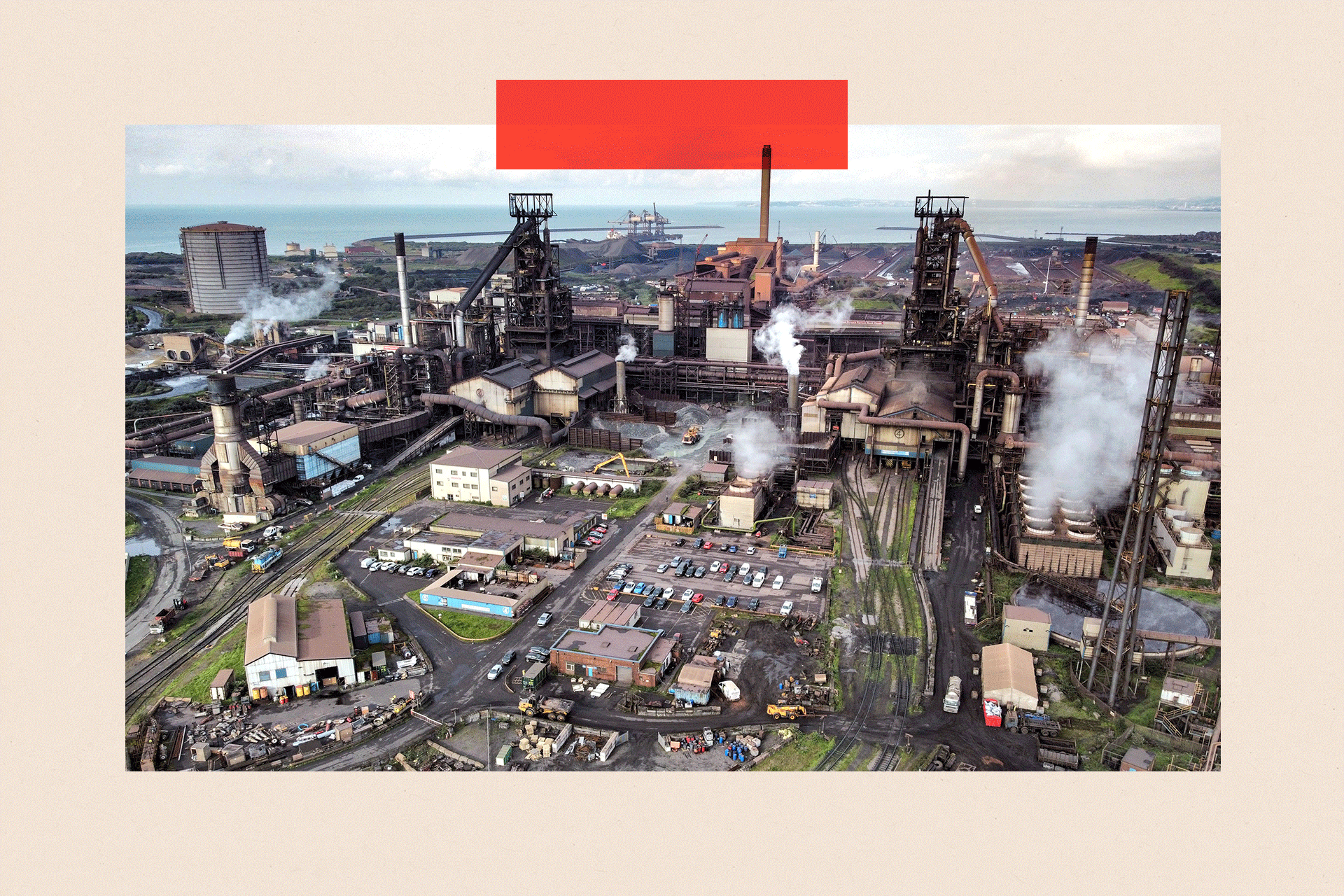

As the United States anticipates possible changes in trade policy driven by the revitalized influence of former President Donald Trump, the consequences for the UK’s steel industry—especially in its residual industrial towns—are becoming more prominent. The potential for the introduction or reimplementation of tariffs on steel imports, a key part of Trump’s wider economic strategy, has stirred new doubts across Britain’s steel-producing areas, many of which are still rebuilding after past economic disruptions.
The worries arise from Trump’s consistent focus on “America First” trade strategies, which in his term led to significant import duties on steel and aluminum in 2018. Described as a national security initiative under Section 232 of U.S. trade legislation, these duties caused disturbances in global steel markets and prompted counteractions from major partners, such as the UK and the European Union. Although some of these limitations were eased in later years, Trump has indicated an intention to reinstate and broaden them if he returns to office, possibly sparking renewed trade conflicts.
For the towns in Britain that produce steel—like Port Talbot in Wales and Scunthorpe in Lincolnshire—the impending danger holds significant importance. These areas have traditionally relied on the steel sector not just for jobs, but also for sustaining the local economy and community identity. Over the years, the industry has shrunk considerably as a result of worldwide competition, technological advancements, and evolving market needs. Nonetheless, several large-scale plants remain active, catering to the country’s construction, infrastructure, and manufacturing sectors, along with meeting international demands.
Industry leaders and union representatives are now warning that the reintroduction of U.S. tariffs could undercut British steel exports just as companies are beginning to regain their footing. While the total volume of UK steel exports to the U.S. is modest compared to larger players such as China or the EU, American buyers remain a key market for certain specialty products manufactured in the UK. A tariff barrier could make those goods less competitive and push buyers toward alternative sources, thereby tightening the pressure on already strained operations.
The main concern is that trade restrictions might hasten the downfall of a sector considered vital to the UK’s industrial foundation. Although there are appeals for more investment in eco-friendly steel technologies and local production skills, numerous British steel manufacturers still function with minimal profit margins, and extra trade tensions could threaten their future sustainability. Some plants have already reduced output or declared job cuts in reaction to changing demand and energy expenses, and new trade limitations could further unsettle the industry.
For individuals and locals living in historic steel-producing towns, discussions about global trade regulations are anything but theoretical. These policies have a direct impact on job stability, business operations within the area, and the community’s social structure. Numerous communities have experienced long-term industrial decline, as the disappearance of manufacturing roles has led to broader economic difficulties, such as decreased investments, diminished wages, and restricted service availability. Within this framework, any measure—whether it be from abroad or within the country—that risks further weakening industrial job opportunities is greeted with significant apprehension.
British officials have expressed caution in response to the tariff threat, emphasizing the importance of maintaining strong economic ties with the United States. As one of the UK’s largest trading partners outside the EU, the U.S. represents a critical market for a wide array of British exports. The UK government has previously negotiated exemptions and quotas to avoid the harshest impacts of earlier U.S. tariffs, and similar diplomatic efforts are likely to be pursued again if trade restrictions return.
However, some analysts argue that relying on ad hoc negotiations is no substitute for a comprehensive and forward-looking industrial strategy. They suggest that the UK should not only respond to external threats but proactively strengthen its domestic steel industry through innovation, investment, and modern infrastructure. This includes accelerating the shift toward low-carbon steel production, improving supply chain resilience, and supporting workforce development to ensure that future jobs in the sector are secure and sustainable.
Here is the new text rewritten according to your instructions:
There are additional appeals for stronger cooperation among the government, businesses, and regional authorities to safeguard the communities most susceptible to financial disturbances. In various instances, steel towns hold the potential to evolve into centers of innovative manufacturing or green energy creation, though this transition necessitates focused assistance and strategic long-term planning. Lacking such efforts, they face the danger of continued downturn, intensified by worldwide market variability and uncertain trade strategies.
Meanwhile, the political dimension of trade disputes cannot be overlooked. Trump’s rhetoric around protecting American jobs through tariffs often resonates with voters in industrial regions of the U.S., but it can have serious ripple effects on international partners. The UK, which has positioned itself as an open and cooperative trading nation in the post-Brexit era, finds itself navigating a delicate balance between fostering bilateral relationships and defending its own economic interests.
In this scenario, the destiny of the UK’s steel towns symbolizes a larger issue—how to maintain essential industries in a global market that is both interconnected and more competitive. This issue not only demands reactive solutions but also an ambitious plan for the way traditional industries can transition to new economic conditions without abandoning communities.
While policymakers and industry leaders keep an eye on changes in U.S. trade policy, the message from Britain’s steel communities is unmistakable: their destiny should not be dictated solely by choices made an ocean away. Instead, it should be crafted through a joint dedication to industrial strength, economic equity, and acknowledging the crucial part that manufacturing still plays in both national and local life.
The next few months could be crucial. As the possibility of protective trade measures reappears, the UK stands before a significant decision: determining the optimal way to safeguard its steel sector from external disruptions while also establishing a foundation for sustainable revitalization. For the communities whose identities have been fashioned around steel, the importance cannot be overstated. Their ongoing existence—and future success—might hinge on decisions made not just in Washington, but also in Westminster and elsewhere.