
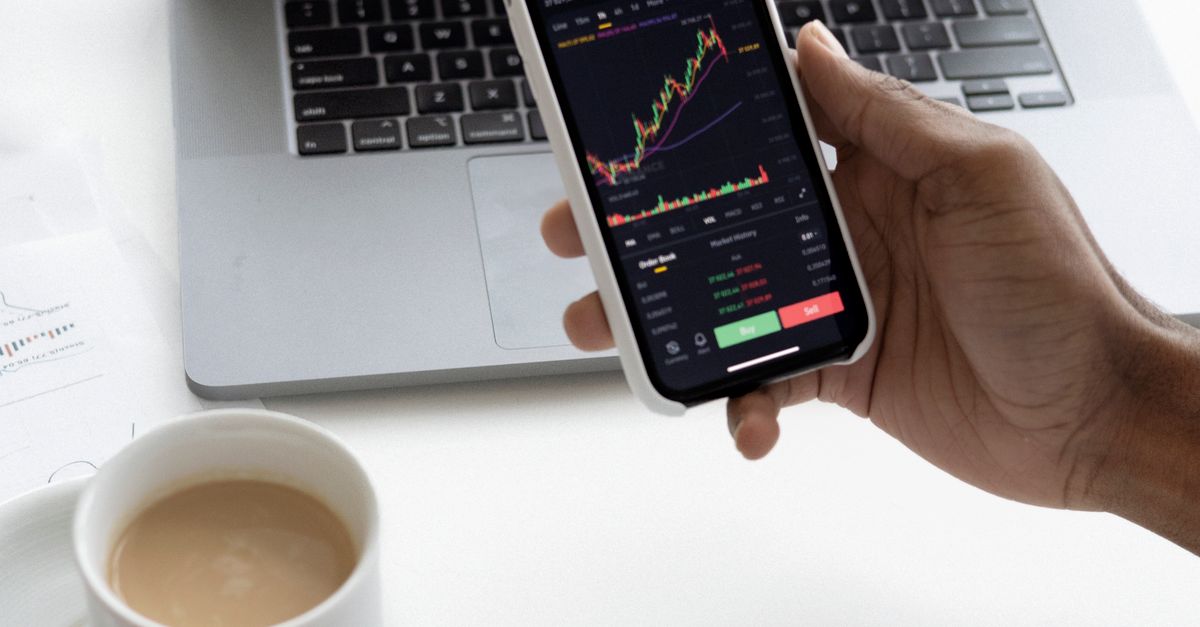

Scenario analysis and stress testing serve as analytical approaches that allow investors to gauge how portfolios, assets, or strategies could behave under a variety of future circumstances. Scenario analysis considers multiple plausible paths shaped by shifts in key drivers like economic expansion, inflation dynamics, interest rate movements, or technological transformations. Stress testing, by contrast, concentrates on extreme yet credible scenarios, assessing how investments might respond when confronted with severe market turmoil, financial system breakdowns, or major structural disruptions.
Investors increasingly adopt these approaches as today’s investing landscape is defined by volatility, swift shifts, and interlinked sources of risk, making tools built only on past averages inadequate for grasping the intricacies of contemporary markets.
The Changing Risk Landscape in Global Markets
Over the last twenty years, investors have encountered an escalating series of systemic disruptions, ranging from the 2008 global financial crisis and the pandemic-induced market crash of 2020 to abrupt shifts in interest rates after prolonged lows and geopolitical strains impacting energy and supply networks, with each episode exposing how swiftly established assumptions can unravel.
A range of underlying structural elements helps account for this change:
- Greater financial interconnectedness, causing shocks to spread rapidly across markets.
- Higher levels of debt in both public and private sectors, increasing sensitivity to rate changes.
- Faster information flow, which accelerates market reactions and volatility.
- Climate-related risks, including physical damage and policy-driven transitions.
Scenario analysis enables investors to look past single-point projections and consider several potential future trajectories, while stress testing exposes weaknesses that might surface only under severe strain.
Limitations of Traditional Risk Models
Conventional risk metrics like volatility, correlation, and value-at-risk draw primarily on historical data, and although they offer valuable insights, they presume that future conditions will mirror previous patterns and that asset relationships stay consistent. In practice, major crises frequently break these assumptions.
For example, during market stress, assets that normally appear diversified may decline simultaneously. Liquidity can evaporate, and price movements can exceed historical ranges. Stress testing addresses these blind spots by asking targeted questions such as:
- How might the portfolio’s valuation shift if interest rates surge significantly in a brief timeframe?
- In what ways could an extended economic downturn influence profitability and overall credit strength?
- Which holdings tend to lose liquidity or exhibit strong correlation when markets enter a state of panic?
By examining these potential scenarios, investors obtain a clearer understanding of downside risks that conventional models may fail to capture.
Institutional and Regulatory Impact
Scenario analysis and stress testing have become standard tools among banks, insurers, and pension funds as regulators expect clear evidence of resilience in challenging environments, and these methods have steadily extended to asset managers, endowments, and even private investors.
Large institutional investors now integrate scenario analysis into strategic asset allocation, capital planning, and risk governance. For example, pension funds often test their ability to meet long-term liabilities under scenarios involving lower growth, higher inflation, or longer life expectancy. Asset managers use stress testing to ensure that portfolios remain aligned with client risk tolerance even during market turmoil.
Enhancing the Quality of Investment Choices
Beyond managing risk, scenario analysis elevates the overall quality of decisions by promoting a more anticipatory mindset and tempering excessive confidence in a single forecast. It allows investors to evaluate how various strategies might behave under multiple conditions instead of tailoring choices to just one presumed result.
Practical applications include:
- Evaluating whether a portfolio is overly exposed to a single economic driver.
- Testing the resilience of income strategies under rising interest rates.
- Assessing how equity valuations respond to slower growth or higher discount rates.
This method helps keep portfolios more balanced and provides a clearer sense of how risk weighs against potential returns.
Technological and Data Innovations
Advances in computing power, data availability, and analytical tools have made scenario analysis more accessible and sophisticated. Investors can now model thousands of scenarios, incorporate real-time data, and link financial variables to macroeconomic or environmental factors.
Climate scenario analysis is a prominent example. Investors assess how different pathways of policy action, energy transition, or physical damage could affect sectors such as utilities, transportation, and real estate. These insights are increasingly used to guide capital allocation and engagement with companies.
Why These Tools Are Becoming Standard Practice
Scenario analysis and stress testing have become standard tools because they mirror how risk tends to emerge: uneven, surprising, and frequently beyond historical patterns, helping investors build preparedness rather than chase predictions and moving the emphasis from exactness to overall resilience.
In a world where uncertainty is structural rather than temporary, these tools provide a disciplined way to think about the future. By exploring multiple outcomes and acknowledging the limits of forecasts, investors can design portfolios that are better equipped to endure shocks, adapt to change, and remain aligned with long-term objectives.




.jpg "Ficohsa strengthens its regional leadership in the MERCO 2025 Rankings")